THE ADVENTURE COLLECTIVE® · Independent discovery and booking for outdoor travel

See Pokhara’s highlights in one day: Sarangkot sunrise over Annapurna, Fewa Lake’s lakeside life, river gorges, caves and cultural sites with a licensed guide and private transport. Ideal for visitors who want a compact, informed introduction to the valley.
See Pokhara’s highlights in one day: Sarangkot sunrise over Annapurna, Fewa Lake’s lakeside life, river gorges, caves and cultural sites with a licensed guide and private transport. Ideal for visitors who want a compact, informed introduction to the valley.
Morning in Pokhara begins with a cool breath from the Annapurna range; Sarangkot’s ridge takes the first light and casts the massif in hard, clean color while Fewa Lake below wakes with fishing boats and prayer flags. From a private, air-conditioned vehicle you’ll move through neighborhoods, lakeside promenades and karst cliffs, each stop a short walk from the road and packed with local character.
Verified experiences and guided adventures in the surrounding area.
Operated by Peak to Peak Tours and Treks Pvt Ltd · Pokhara, Gandaki Province
Morning in Pokhara begins with a cool breath from the Annapurna range; Sarangkot’s ridge takes the first light and casts the massif in hard, clean color while Fewa Lake below wakes with fishing boats and prayer flags. From a private, air-conditioned vehicle you’ll move through neighborhoods, lakeside promenades and karst cliffs, each stop a short walk from the road and packed with local character.
The route threads history into the landscape: the Seti River carving white gorges through limestone, the caves that collect local myths and ancient Shiva shrines, and neighborhoods shaped by Tibetan exile communities and Gurkha military heritage. Geologically, the Pokhara valley is a glacial amphitheater at the foot of the Himalaya; the steep escarpments and cave systems are young in geological terms and active with seasonal water flow.
Culturally the day balances Hindu and Buddhist sites, lakeside markets and a relaxed cafe scene. Guides commonly explain how the Gorkha soldiers and Tibetan artisans influenced local crafts and rituals.
Practical guidance: expect 6–7 hours of light activity with frequent short stops, so pack a daypack, comfortable walking shoes, sun protection and a refillable water bottle. Sunrise at Sarangkot is the highlight—arrive early to beat crowds and catch cloud-free views in the post-monsoon months. Caves can be wet and slippery when rivers are high; use steady footing and avoid deep caverns without a guide. The tour is wheelchair-friendly in vehicle access but some viewpoints require stairs. Bring cash for small entrance fees and local vendors. The day gives a compact, tangible feel for Pokhara’s natural drama and living culture—accessible, scenic and surprisingly varied.
Yes—private, air-conditioned transport typically includes pickup from central Pokhara hotels; confirm your pickup point at booking.
The vehicle and some stops are accessible, but several viewpoints and caves have steps or uneven ground; contact the operator to plan accessible stops.
Late September to November and February to April offer the most reliable, clear views of the Annapurna range outside of monsoon haze.
Caves can flood or become slippery during heavy rain—operators often alter or shorten cave visits in monsoon conditions for safety.
Peak to Peak Tours and Treks Pvt Ltd operates guided outdoor trips and adventures with an emphasis on safety, stewardship, and memorable experiences.
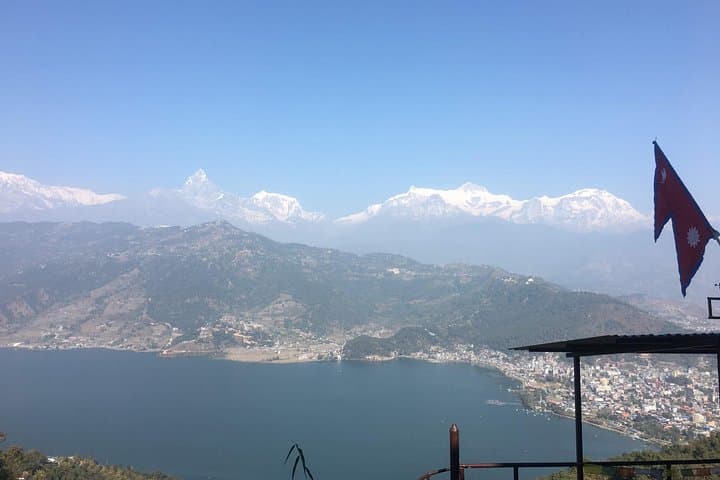
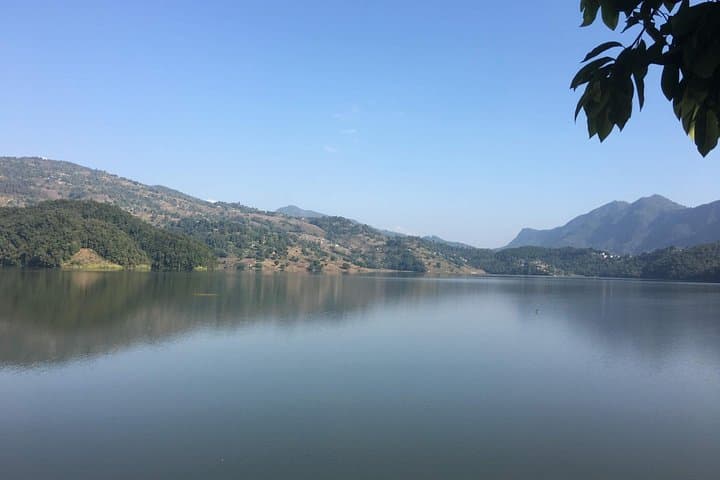
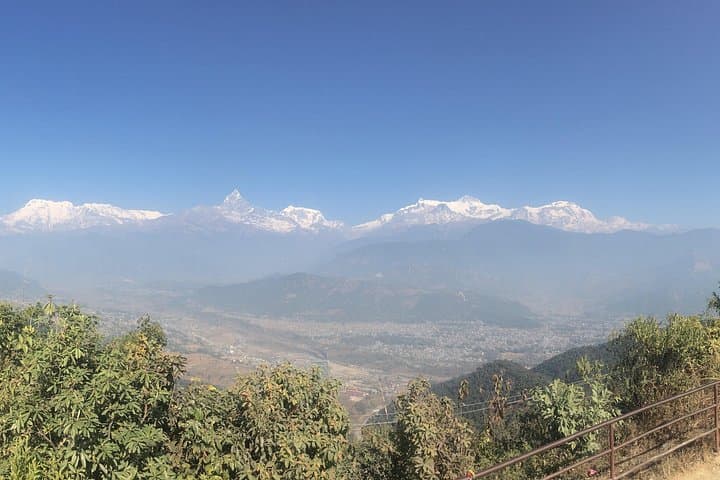
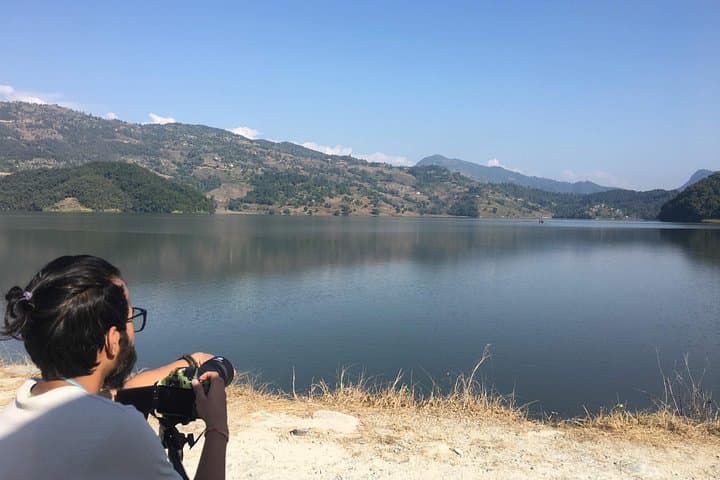
Morning in Pokhara begins with a cool breath from the Annapurna range; Sarangkot’s ridge takes the first light and casts the massif in hard, clean color while Fewa Lake below wakes with fishing boats and prayer flags. From a private, air-conditioned vehicle you’ll move through neighborhoods, lakeside promenades and karst cliffs, each stop a short walk from the road and packed with local character.
Morning in Pokhara begins with a cool breath from the Annapurna range; Sarangkot’s ridge takes the first light and casts the massif in hard, clean color while Fewa Lake below wakes with fishing boats and prayer flags. From a private, air-conditioned vehicle you’ll move through neighborhoods, lakeside promenades and karst cliffs, each stop a short walk from the road and packed with local character.
The route threads history into the landscape: the Seti River carving white gorges through limestone, the caves that collect local myths and ancient Shiva shrines, and neighborhoods shaped by Tibetan exile communities and Gurkha military heritage. Geologically, the Pokhara valley is a glacial amphitheater at the foot of the Himalaya; the steep escarpments and cave systems are young in geological terms and active with seasonal water flow.
Culturally the day balances Hindu and Buddhist sites, lakeside markets and a relaxed cafe scene. Guides commonly explain how the Gorkha soldiers and Tibetan artisans influenced local crafts and rituals.
Practical guidance: expect 6–7 hours of light activity with frequent short stops, so pack a daypack, comfortable walking shoes, sun protection and a refillable water bottle. Sunrise at Sarangkot is the highlight—arrive early to beat crowds and catch cloud-free views in the post-monsoon months. Caves can be wet and slippery when rivers are high; use steady footing and avoid deep caverns without a guide. The tour is wheelchair-friendly in vehicle access but some viewpoints require stairs. Bring cash for small entrance fees and local vendors. The day gives a compact, tangible feel for Pokhara’s natural drama and living culture—accessible, scenic and surprisingly varied.