THE ADVENTURE COLLECTIVE® · Independent discovery and booking for outdoor travel

A full-day hike from Pokhara to Australian Camp and Dhampus delivers sweeping Annapurna views, village culture, and ridge-top trails—ideal for hikers with moderate fitness seeking a classic Himalayan day walk.
A full-day hike from Pokhara to Australian Camp and Dhampus delivers sweeping Annapurna views, village culture, and ridge-top trails—ideal for hikers with moderate fitness seeking a classic Himalayan day walk.
Morning light in the Annapurna foothills cuts the valley like a new map: the trail climbs from humid Pokhara air into pine and rhododendron, opening at Australian Camp to an offshore vista of Annapurna II, III and Machapuchare that seem to tilt toward the sky. Hikers move in a steady, purposeful pace—breath meeting altitude—as the landscape shifts from terraced farms to narrow ridge paths.
Verified experiences and guided adventures in the surrounding area.
Operated by Peak to Peak Tours and Treks Pvt Ltd · Pokhara, Gandaki Province
Morning light in the Annapurna foothills cuts the valley like a new map: the trail climbs from humid Pokhara air into pine and rhododendron, opening at Australian Camp to an offshore vista of Annapurna II, III and Machapuchare that seem to tilt toward the sky. Hikers move in a steady, purposeful pace—breath meeting altitude—as the landscape shifts from terraced farms to narrow ridge paths.
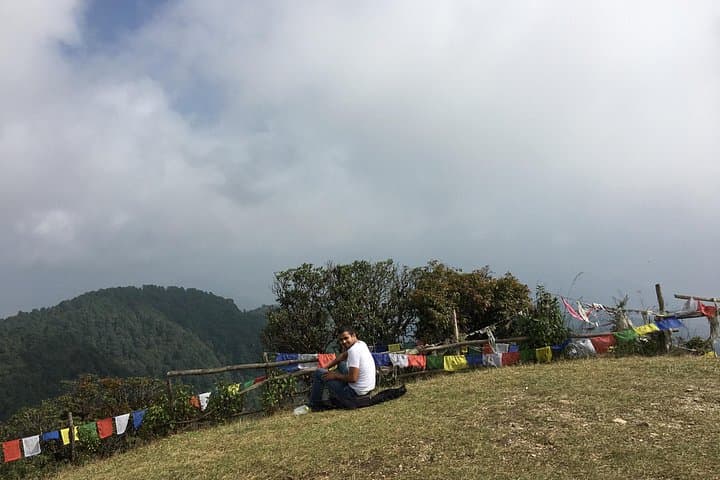
The route traces centuries of local movement across rising rock born of the India–Eurasia collision; slopes here are young, steep and prone to seasonal erosion. Dhampus is a living Gurung village where stone houses, prayer flags and teahouses host visitors and shepherds alike. Locals preserve farming and hospitality traditions—tea stops and simple dal-bhat sustain a long day on the trail.
Expect 6–7 hours total including transfers, with roughly 1,000–1,300 m of cumulative ascent if starting near Pokhara; trails are dirt and stone, with intermittent steps and exposed ridgelines. Views reward the effort—sunrise paints the Annapurnas in a hard, cold light, while clouds can fill the valleys by midday.
Practical notes: start early for light and stable weather, carry at least 2 liters of water and layered clothing for fast temperature swings, and use sturdy boots for uneven stone. Respect local customs—ask before photographing homestays—and leave no trace: popular viewpoints are small and trail widening accelerates erosion. This day hike is ideal for hikers with moderate fitness who want a full Himalayan experience without overnight gear.
It’s rated moderate: expect steady uphill sections and 6–7 hours total with about 1,000–1,300 m of cumulative ascent depending on your start point.
A guide isn’t mandatory for well-marked trails, but a local guide adds cultural insight, navigation confidence and support with logistics or private transport.
Dhampus and tea houses along the route offer simple meals and basic toilets; carry cash and small change for purchases.
This day hike reaches roughly 2,000 m where acute altitude sickness is uncommon but possible; pace yourself, hydrate, and descend if you experience severe symptoms.
Peak to Peak Tours and Treks Pvt Ltd operates guided outdoor trips and adventures with an emphasis on safety, stewardship, and memorable experiences.


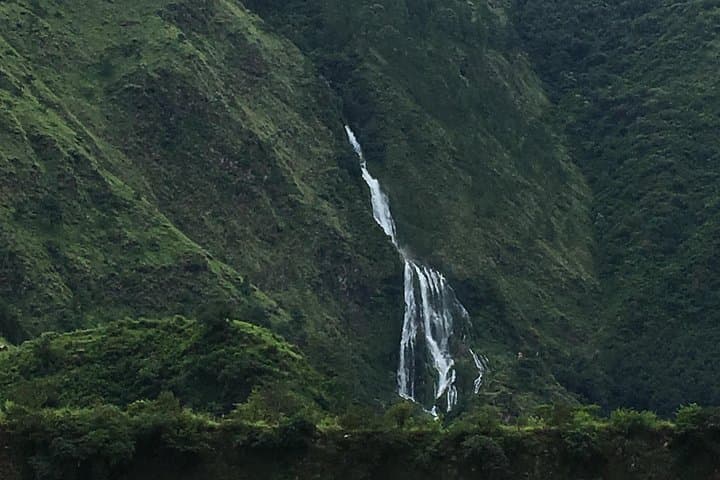
Morning light in the Annapurna foothills cuts the valley like a new map: the trail climbs from humid Pokhara air into pine and rhododendron, opening at Australian Camp to an offshore vista of Annapurna II, III and Machapuchare that seem to tilt toward the sky. Hikers move in a steady, purposeful pace—breath meeting altitude—as the landscape shifts from terraced farms to narrow ridge paths.
Morning light in the Annapurna foothills cuts the valley like a new map: the trail climbs from humid Pokhara air into pine and rhododendron, opening at Australian Camp to an offshore vista of Annapurna II, III and Machapuchare that seem to tilt toward the sky. Hikers move in a steady, purposeful pace—breath meeting altitude—as the landscape shifts from terraced farms to narrow ridge paths.
The route traces centuries of local movement across rising rock born of the India–Eurasia collision; slopes here are young, steep and prone to seasonal erosion. Dhampus is a living Gurung village where stone houses, prayer flags and teahouses host visitors and shepherds alike. Locals preserve farming and hospitality traditions—tea stops and simple dal-bhat sustain a long day on the trail.
Expect 6–7 hours total including transfers, with roughly 1,000–1,300 m of cumulative ascent if starting near Pokhara; trails are dirt and stone, with intermittent steps and exposed ridgelines. Views reward the effort—sunrise paints the Annapurnas in a hard, cold light, while clouds can fill the valleys by midday.
Practical notes: start early for light and stable weather, carry at least 2 liters of water and layered clothing for fast temperature swings, and use sturdy boots for uneven stone. Respect local customs—ask before photographing homestays—and leave no trace: popular viewpoints are small and trail widening accelerates erosion. This day hike is ideal for hikers with moderate fitness who want a full Himalayan experience without overnight gear.