THE ADVENTURE COLLECTIVE® · Independent discovery and booking for outdoor travel

A single-day, private mix of easy hiking and cultural sightseeing around Pokhara: Dhampus and Australian Camp for mountain panoramas, plus World Peace Stupa, Devi’s Fall, and Fewa/Begnas lakes. Ideal for travelers who want big views with minimal trekking.
A single-day, private mix of easy hiking and cultural sightseeing around Pokhara: Dhampus and Australian Camp for mountain panoramas, plus World Peace Stupa, Devi’s Fall, and Fewa/Begnas lakes. Ideal for travelers who want big views with minimal trekking.
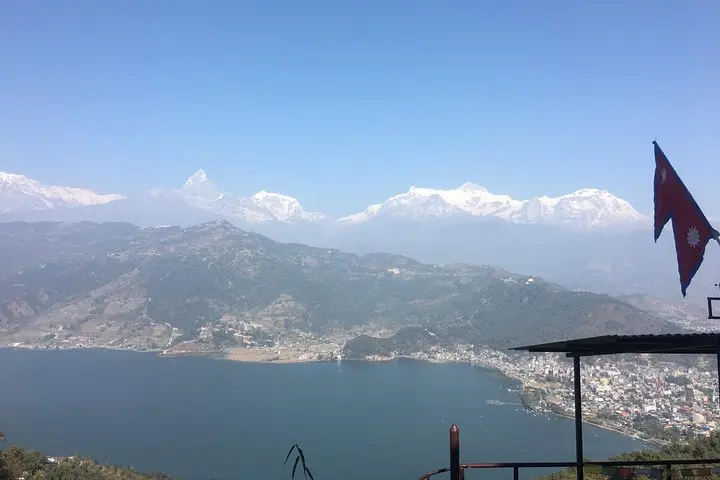
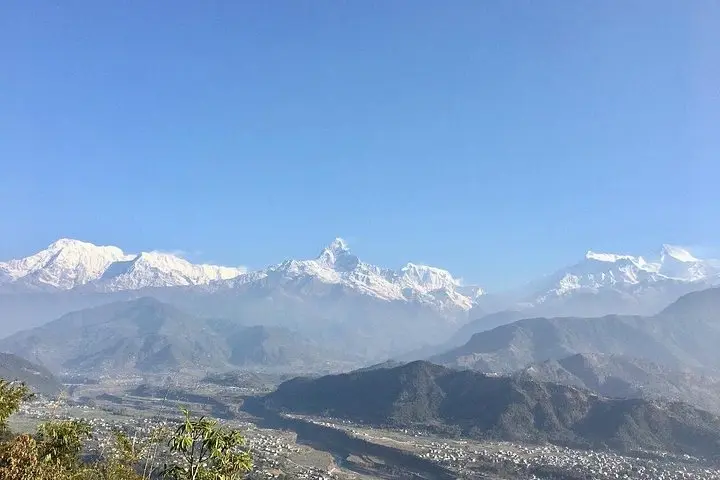
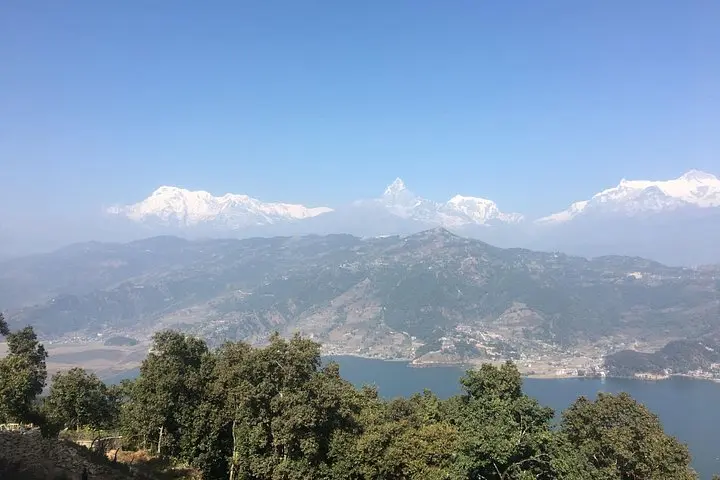
The morning light slices across Phewa Lake as your vehicle climbs out of Pokhara and into terraced rice slopes; by the time you reach Dhampus the air is cooler and the Annapurna range looms like a row of granite teeth on the horizon.
Verified experiences and guided adventures in the surrounding area.
Operated by Fewa Trail Treks and Expedition Pvt Ltd · Pokhara, Gandaki Province
The morning light slices across Phewa Lake as your vehicle climbs out of Pokhara and into terraced rice slopes; by the time you reach Dhampus the air is cooler and the Annapurna range looms like a row of granite teeth on the horizon.
This private day tour stitches together short hikes and viewpoint stops: a 4WD ride to Dhampus village, an easy 90‑minute ascent to Australian Camp (around 2,000 m) for panoramic views of Annapurna and Machapuchare, then returns to visit the World Peace Stupa, the abrupt cascade of Devi’s Fall, and the placid arms of Fewa and Begnas lakes. Dhampus is a Gurung village—expect stone houses, slate roofs, and local tea shops where villagers still follow agricultural rhythms rooted in hill farming.
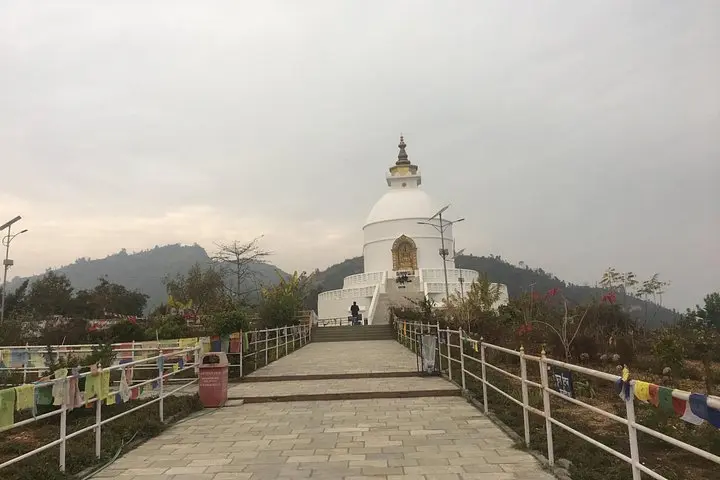
Geologically, the Pokhara valley is a basin carved by ancient glaciers and fed by mountain streams; the lakes are dammed by moraine and groundwater springs, giving them clear, reflective surfaces. Culturally, the Shanti Stupa is a modern landmark built by Japanese and Nepali collaborators to offer sweeping views and a quiet place for sunset.
Practical guidance: start early for clear mountain vistas, bring layered clothing for rapid temperature change, and carry cash for small village purchases. The hiking segment is non-technical but includes uneven stone trails—sturdy shoes and 1–2 liters of water are recommended. Total outing time is roughly 6–7 hours including transfers; it’s an accessible, visually rich introduction to the Gandaki hills for travelers short on time but hungry for high-country scenery.
The guided hiking portion from Dhampus to Australian Camp is about 60–90 minutes one way depending on pace and stops for views.
Yes—it's rated easy and suitable for most ages, but expect uneven stone steps and short uphill sections; notify the operator of mobility concerns.
The itinerary lists admissions as not applicable; small local access fees (e.g., parking or viewpoint donations) may apply and are typically paid on site.
This day trip stays below high-altitude thresholds (around 2,000 m), so acclimatization is not usually necessary, but travel insurance that covers medical evacuation is recommended for all Nepal travel.
Fewa Trail Treks and Expedition Pvt Ltd operates guided outdoor trips and adventures with an emphasis on safety, stewardship, and memorable experiences.
The morning light slices across Phewa Lake as your vehicle climbs out of Pokhara and into terraced rice slopes; by the time you reach Dhampus the air is cooler and the Annapurna range looms like a row of granite teeth on the horizon.
The morning light slices across Phewa Lake as your vehicle climbs out of Pokhara and into terraced rice slopes; by the time you reach Dhampus the air is cooler and the Annapurna range looms like a row of granite teeth on the horizon.
This private day tour stitches together short hikes and viewpoint stops: a 4WD ride to Dhampus village, an easy 90‑minute ascent to Australian Camp (around 2,000 m) for panoramic views of Annapurna and Machapuchare, then returns to visit the World Peace Stupa, the abrupt cascade of Devi’s Fall, and the placid arms of Fewa and Begnas lakes. Dhampus is a Gurung village—expect stone houses, slate roofs, and local tea shops where villagers still follow agricultural rhythms rooted in hill farming.
Geologically, the Pokhara valley is a basin carved by ancient glaciers and fed by mountain streams; the lakes are dammed by moraine and groundwater springs, giving them clear, reflective surfaces. Culturally, the Shanti Stupa is a modern landmark built by Japanese and Nepali collaborators to offer sweeping views and a quiet place for sunset.
Practical guidance: start early for clear mountain vistas, bring layered clothing for rapid temperature change, and carry cash for small village purchases. The hiking segment is non-technical but includes uneven stone trails—sturdy shoes and 1–2 liters of water are recommended. Total outing time is roughly 6–7 hours including transfers; it’s an accessible, visually rich introduction to the Gandaki hills for travelers short on time but hungry for high-country scenery.