THE ADVENTURE COLLECTIVE® · Independent discovery and booking for outdoor travel

Catch sunrise over the Annapurna Range from Sarangkot, then hike down through villages and forest to the Peace Stupa overlooking Phewa Lake. This full-day route pairs dramatic mountain views with cultural stops and manageable trails.
Catch sunrise over the Annapurna Range from Sarangkot, then hike down through villages and forest to the Peace Stupa overlooking Phewa Lake. This full-day route pairs dramatic mountain views with cultural stops and manageable trails.
You wake before dawn and the private car climbs the switchbacks to Sarangkot while the sky steels from indigo to pale gold. At the viewpoint the Annapurna Range compels attention—peaks edge into light and the valley below exhales; Phewa Lake glints like a dark coin. The sun dares the ridgeline and the day begins.
Verified experiences and guided adventures in the surrounding area.
Operated by Crystal Holidays Nepal · Pokhara, Gandaki Province
You wake before dawn and the private car climbs the switchbacks to Sarangkot while the sky steels from indigo to pale gold. At the viewpoint the Annapurna Range compels attention—peaks edge into light and the valley below exhales; Phewa Lake glints like a dark coin. The sun dares the ridgeline and the day begins.
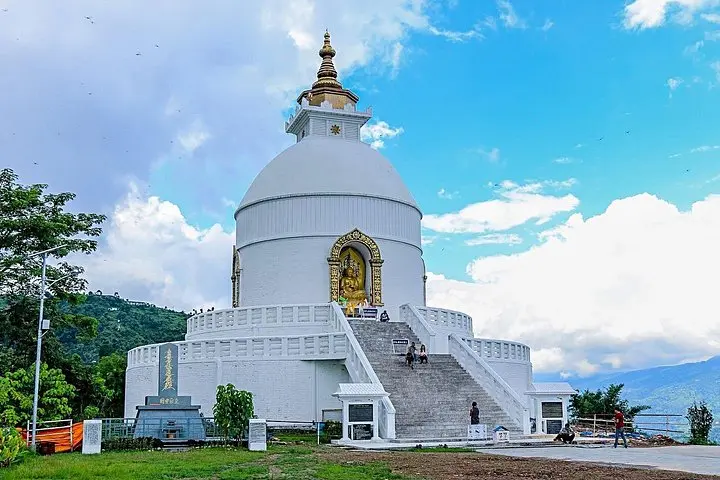
This route follows classic Pokhara trails shaped by tectonic uplift and centuries of local foot traffic. Sarangkot sits on a ridge formed from Himalayan thrusting; below, Phewa’s basin records glacial and riverine history. The Peace Stupa was built in the 1970s as part of a postwar Buddhist movement and now watches over a city where Gurung and Magar cultures meet Newari traders and trekking guides.
Expect roughly 10–12 km of walking over 6–7 hours with cumulative elevation change near 600–800 m — mostly downhill from Sarangkot but with short climbs to the stupa and stone stair sections. Terrain varies: packed dirt, village lanes, stone steps and forested singletrack. The route is largely exposed in places and shaded elsewhere; the breeze off the lake moves like a companion.
Practical notes: start before sunrise to secure the viewpoint, layer for a chilly morning and warmer afternoon, and carry at least 1.5–2 L of water even though your tour provides one bottle. Wear sturdy hiking shoes with good grip for wet stone steps, bring small change for temple donations or tea, and allow time at the Peace Stupa to take in the panorama and practice quiet respect for the site’s spiritual significance.
The outing lasts about 6–7 hours covering roughly 10–12 km with cumulative elevation change around 600–800 m; most of it is a descent from Sarangkot with short ascents to viewpoints like the Peace Stupa.
Children and older travelers with reasonable mobility can do parts of the trail, but the full day requires moderate fitness and is not recommended for those with spinal, heart, or pregnancy-related restrictions.
This tour includes an English-speaking hiking guide and entrance fees; no special permits are required for the route itself.
Wear sturdy hiking shoes, breathable layers for temperature swings, a waterproof shell in monsoon season, and a hat for sun protection.
Crystal Holidays Nepal operates guided outdoor trips and adventures with an emphasis on safety, stewardship, and memorable experiences.
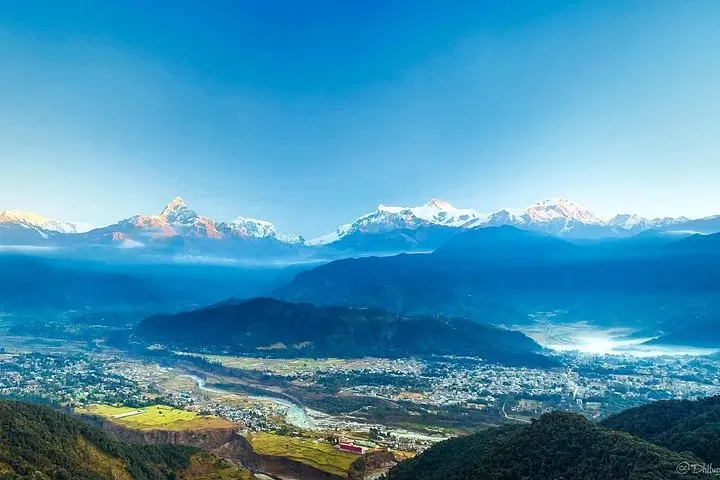
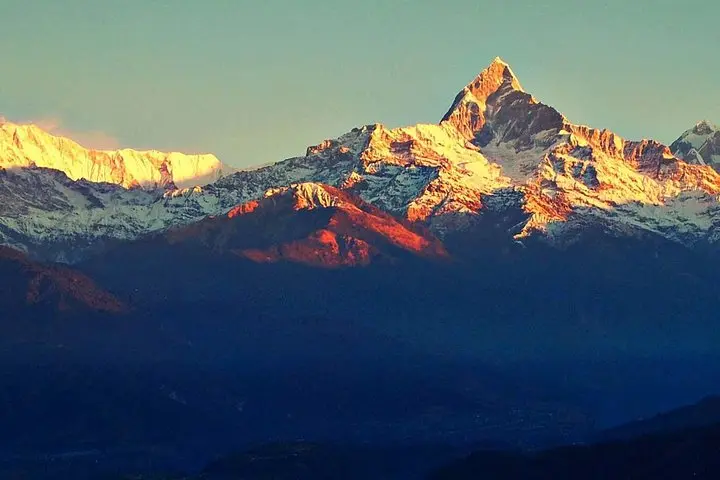
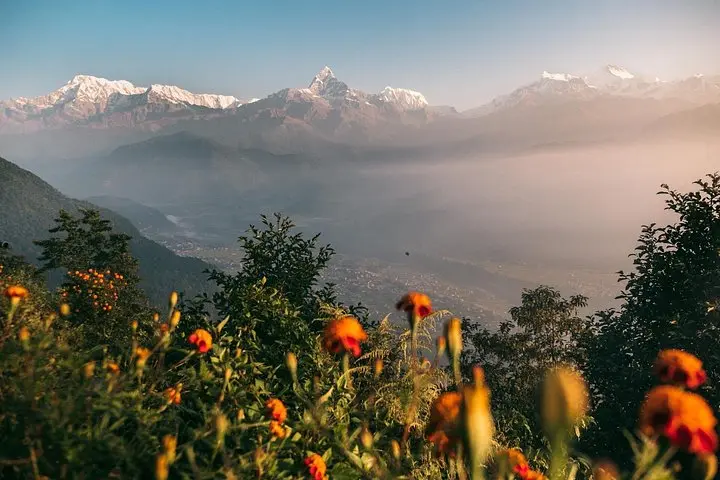
You wake before dawn and the private car climbs the switchbacks to Sarangkot while the sky steels from indigo to pale gold. At the viewpoint the Annapurna Range compels attention—peaks edge into light and the valley below exhales; Phewa Lake glints like a dark coin. The sun dares the ridgeline and the day begins.
You wake before dawn and the private car climbs the switchbacks to Sarangkot while the sky steels from indigo to pale gold. At the viewpoint the Annapurna Range compels attention—peaks edge into light and the valley below exhales; Phewa Lake glints like a dark coin. The sun dares the ridgeline and the day begins.
This route follows classic Pokhara trails shaped by tectonic uplift and centuries of local foot traffic. Sarangkot sits on a ridge formed from Himalayan thrusting; below, Phewa’s basin records glacial and riverine history. The Peace Stupa was built in the 1970s as part of a postwar Buddhist movement and now watches over a city where Gurung and Magar cultures meet Newari traders and trekking guides.
Expect roughly 10–12 km of walking over 6–7 hours with cumulative elevation change near 600–800 m — mostly downhill from Sarangkot but with short climbs to the stupa and stone stair sections. Terrain varies: packed dirt, village lanes, stone steps and forested singletrack. The route is largely exposed in places and shaded elsewhere; the breeze off the lake moves like a companion.
Practical notes: start before sunrise to secure the viewpoint, layer for a chilly morning and warmer afternoon, and carry at least 1.5–2 L of water even though your tour provides one bottle. Wear sturdy hiking shoes with good grip for wet stone steps, bring small change for temple donations or tea, and allow time at the Peace Stupa to take in the panorama and practice quiet respect for the site’s spiritual significance.