THE ADVENTURE COLLECTIVE® · Independent discovery and booking for outdoor travel

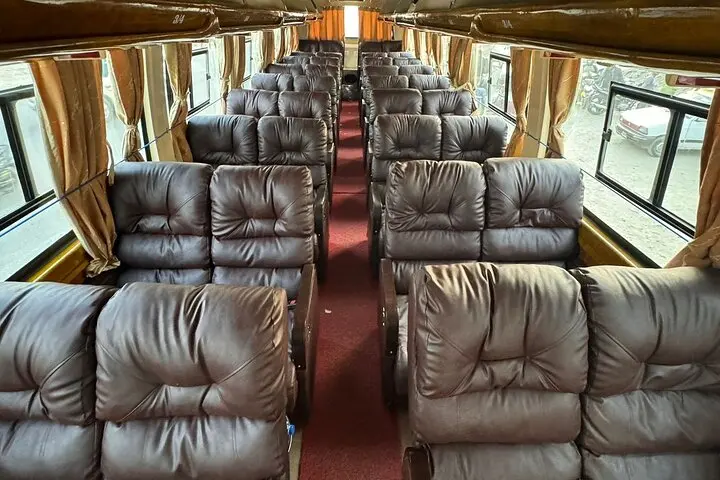
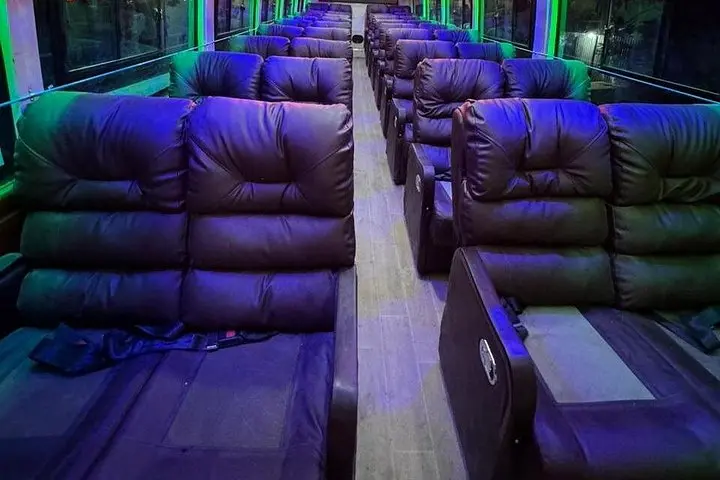
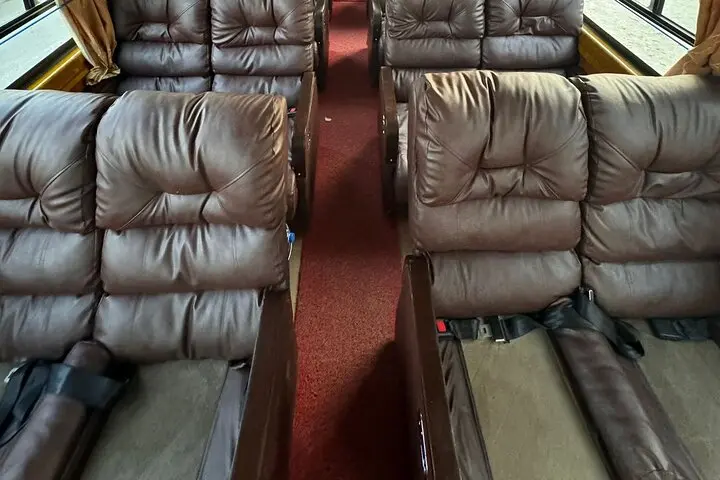
Take a premium sofa bus between Pokhara and Kathmandu and watch Nepal’s river valleys and mountain foothills slide by. This 6–7 hour highway journey includes brief riverbank stops and comfortable reclining seats—ideal for budget travelers who prefer a scenic overland route to flying.
Take a premium sofa bus between Pokhara and Kathmandu and watch Nepal’s river valleys and mountain foothills slide by. This 6–7 hour highway journey includes brief riverbank stops and comfortable reclining seats—ideal for budget travelers who prefer a scenic overland route to flying.
The city slips away as you sink into a reclining sofa seat and the bus eases onto the highway, river rapids flashing at the roadside and folded green hills stepping up toward the Annapurna foothills. Windows frame white‑water rafters on the Trishuli and small market towns where tea stalls crowd the road; the ride feels like a moving cross‑section of central Nepal.
Verified experiences and guided adventures in the surrounding area.
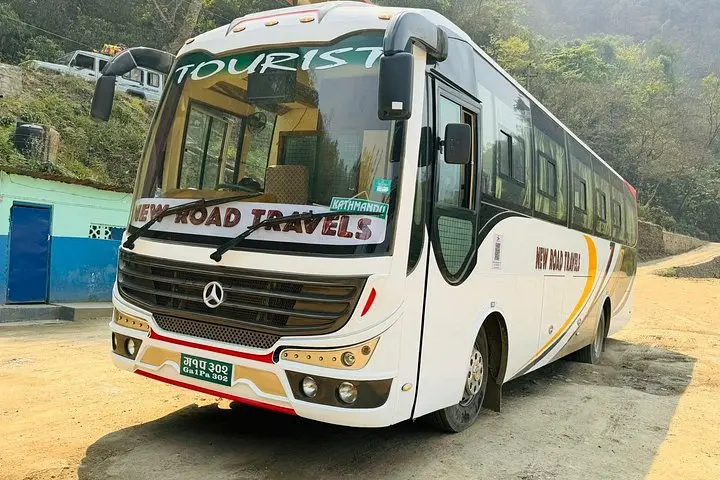
Operated by New Road Travels and tours pvt ltd · Pokhara, Gandaki Province
The city slips away as you sink into a reclining sofa seat and the bus eases onto the highway, river rapids flashing at the roadside and folded green hills stepping up toward the Annapurna foothills. Windows frame white‑water rafters on the Trishuli and small market towns where tea stalls crowd the road; the ride feels like a moving cross‑section of central Nepal.
The Prithvi Highway that connects Pokhara and Kathmandu follows river valleys cut by tectonic uplift and seasonal monsoon flows—routes shaped by geology as much as commerce. Historically this corridor grew from trade tracks between the Kathmandu Valley and the fertile plains, then expanded with road building in the mid‑20th century and the rise of tourism. Culturally you’ll notice Gurung and Newar influences in roadside food and language, and Kurintar’s bungee platforms and riverside eateries signal the recreational economy that springs up beside the fast water.
Practically: expect 6–7 hours under normal conditions, with two scheduled breaks—about 20 minutes at Jamune for breakfast and 30 minutes at Kurintar for lunch—where riverbank views are the reward. Premium “sofa” buses offer wider reclining seats and luggage storage beneath the coach; the operator does not pick up local hitchhikers on the highway. This service allows infants (on laps) and service animals, but it’s not recommended for travelers with spinal or serious cardiovascular conditions. Carry motion‑sickness medication, a charged phone, a paper or mobile ticket, and layered clothing for temperature swings between valley and city.
Typical travel time is about 6–7 hours under normal traffic conditions; heavy traffic or road incidents can extend the journey.
Meals are not included; the bus stops for breakfast (~20 minutes) at Jamune and lunch (~30 minutes) at Kurintar where you can buy food.
Yes—luggage is stored in the coach hold and small items can be kept with you in the cabin; retrieval at stops may take extra time.
All sales are final for this service; no refunds are available for cancellations.
New Road Travels and tours pvt ltd operates guided outdoor trips and adventures with an emphasis on safety, stewardship, and memorable experiences.
The city slips away as you sink into a reclining sofa seat and the bus eases onto the highway, river rapids flashing at the roadside and folded green hills stepping up toward the Annapurna foothills. Windows frame white‑water rafters on the Trishuli and small market towns where tea stalls crowd the road; the ride feels like a moving cross‑section of central Nepal.
The city slips away as you sink into a reclining sofa seat and the bus eases onto the highway, river rapids flashing at the roadside and folded green hills stepping up toward the Annapurna foothills. Windows frame white‑water rafters on the Trishuli and small market towns where tea stalls crowd the road; the ride feels like a moving cross‑section of central Nepal.
The Prithvi Highway that connects Pokhara and Kathmandu follows river valleys cut by tectonic uplift and seasonal monsoon flows—routes shaped by geology as much as commerce. Historically this corridor grew from trade tracks between the Kathmandu Valley and the fertile plains, then expanded with road building in the mid‑20th century and the rise of tourism. Culturally you’ll notice Gurung and Newar influences in roadside food and language, and Kurintar’s bungee platforms and riverside eateries signal the recreational economy that springs up beside the fast water.
Practically: expect 6–7 hours under normal conditions, with two scheduled breaks—about 20 minutes at Jamune for breakfast and 30 minutes at Kurintar for lunch—where riverbank views are the reward. Premium “sofa” buses offer wider reclining seats and luggage storage beneath the coach; the operator does not pick up local hitchhikers on the highway. This service allows infants (on laps) and service animals, but it’s not recommended for travelers with spinal or serious cardiovascular conditions. Carry motion‑sickness medication, a charged phone, a paper or mobile ticket, and layered clothing for temperature swings between valley and city.