THE ADVENTURE COLLECTIVE® · Independent discovery and booking for outdoor travel
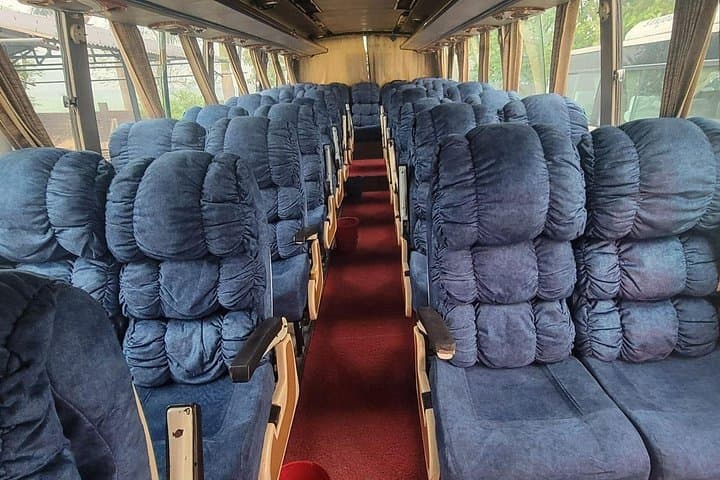
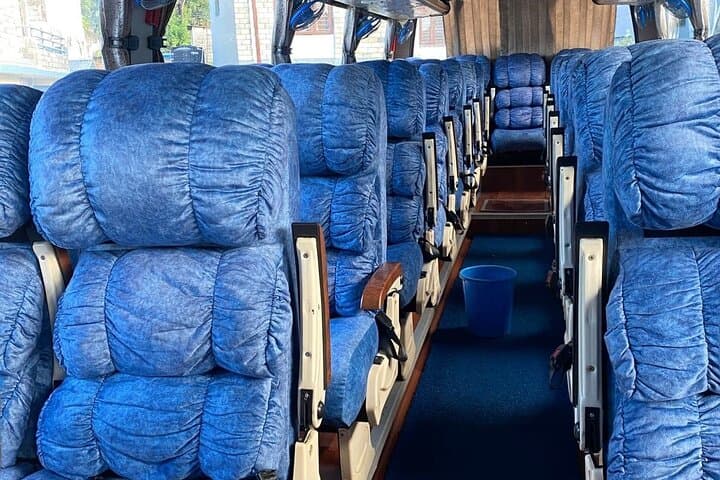
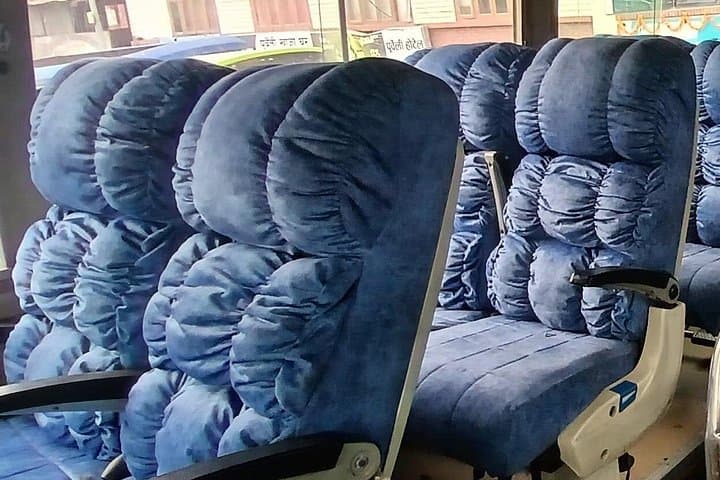
Make the 200 km journey between Pokhara and Lumbini in comfort aboard a 2x2 sofa-seater tourist bus. Expect assigned seats, scheduled comfort stops, and a six- to seven-hour transfer that threads mountain foothills into sacred Terai plains.
Make the 200 km journey between Pokhara and Lumbini in comfort aboard a 2x2 sofa-seater tourist bus. Expect assigned seats, scheduled comfort stops, and a six- to seven-hour transfer that threads mountain foothills into sacred Terai plains.
A low-slung tourist coach eases out of Pokhara’s Tourist Bus Park with the Annapurna foothills shrinking in the rearview and the Terai plains unfurling ahead. Morning light hits the Phewa Lake side mirrors as the driver navigates rural highways; tea stalls, small farmed terraces and the occasional temple gate slide by, and the landscape gradually relaxes from terraced hills into broad, fertile plains.
Verified experiences and guided adventures in the surrounding area.
Operated by Himalayan Travel Leaders Nepal Pvt Ltd · Pokhara, Gandaki Province
A low-slung tourist coach eases out of Pokhara’s Tourist Bus Park with the Annapurna foothills shrinking in the rearview and the Terai plains unfurling ahead. Morning light hits the Phewa Lake side mirrors as the driver navigates rural highways; tea stalls, small farmed terraces and the occasional temple gate slide by, and the landscape gradually relaxes from terraced hills into broad, fertile plains.
The route links two very different parts of Nepal: Pokhara’s mountain-facing town and Lumbini, the UNESCO-listed birthplace of Siddhartha Gautama. Geology shifts from younger metamorphic ridges to older alluvial deposits and marshy wetlands as you descend toward Lumbini’s calm groves. Cultural markers — roadside shrines, prayer flags, and small bazaars selling paan and samosas — punctuate the journey and remind travelers that this is both a pilgrimage corridor and a working transport route.
Practically, expect a 6–7 hour transfer over roughly 200 km with scheduled comfort stops for meals and restrooms. The 2x2 sofa seats are designed for longer stretches; seats are assigned at check-in and luggage allowance is generous (about 30 kg). Bring water, motion-sickness remedies if you’re sensitive, and layered clothing: air-conditioning on the coach can contrast sharply with warm valley air during stops. Arrive 30 minutes before boarding, carry any medicines in your cabin bag, and be prepared for variable road conditions — the company runs licensed drivers and support staff, but traffic and weather will dictate actual travel time.
This is a practical, comfortable way to move between mountain scenery and sacred plains without losing the texture of rural Nepal along the way.
Passengers typically have a 30 kg checked luggage allowance plus a small cabin bag; confirm at booking for specific limits.
Most coaches do not have onboard restrooms; scheduled comfort stops are included along the route for meals and toilet breaks.
Yes — the service includes scheduled stops at roadside restaurants or service stations where you can purchase meals and snacks.
Full refunds are available if you cancel at least 24 hours before departure; within 24 hours there is no refund.
Himalayan Travel Leaders Nepal Pvt Ltd operates guided outdoor trips and adventures with an emphasis on safety, stewardship, and memorable experiences.

A low-slung tourist coach eases out of Pokhara’s Tourist Bus Park with the Annapurna foothills shrinking in the rearview and the Terai plains unfurling ahead. Morning light hits the Phewa Lake side mirrors as the driver navigates rural highways; tea stalls, small farmed terraces and the occasional temple gate slide by, and the landscape gradually relaxes from terraced hills into broad, fertile plains.
A low-slung tourist coach eases out of Pokhara’s Tourist Bus Park with the Annapurna foothills shrinking in the rearview and the Terai plains unfurling ahead. Morning light hits the Phewa Lake side mirrors as the driver navigates rural highways; tea stalls, small farmed terraces and the occasional temple gate slide by, and the landscape gradually relaxes from terraced hills into broad, fertile plains.
The route links two very different parts of Nepal: Pokhara’s mountain-facing town and Lumbini, the UNESCO-listed birthplace of Siddhartha Gautama. Geology shifts from younger metamorphic ridges to older alluvial deposits and marshy wetlands as you descend toward Lumbini’s calm groves. Cultural markers — roadside shrines, prayer flags, and small bazaars selling paan and samosas — punctuate the journey and remind travelers that this is both a pilgrimage corridor and a working transport route.
Practically, expect a 6–7 hour transfer over roughly 200 km with scheduled comfort stops for meals and restrooms. The 2x2 sofa seats are designed for longer stretches; seats are assigned at check-in and luggage allowance is generous (about 30 kg). Bring water, motion-sickness remedies if you’re sensitive, and layered clothing: air-conditioning on the coach can contrast sharply with warm valley air during stops. Arrive 30 minutes before boarding, carry any medicines in your cabin bag, and be prepared for variable road conditions — the company runs licensed drivers and support staff, but traffic and weather will dictate actual travel time.
This is a practical, comfortable way to move between mountain scenery and sacred plains without losing the texture of rural Nepal along the way.
