THE ADVENTURE COLLECTIVE® · Independent discovery and booking for outdoor travel

A three-day private trek from Pokhara that threads Gurung villages, ridgeline forests and a high alpine lake. Expect steady climbs, cultural encounters in Sikles, and a lakeside night under clear Himalayan skies.
A three-day private trek from Pokhara that threads Gurung villages, ridgeline forests and a high alpine lake. Expect steady climbs, cultural encounters in Sikles, and a lakeside night under clear Himalayan skies.
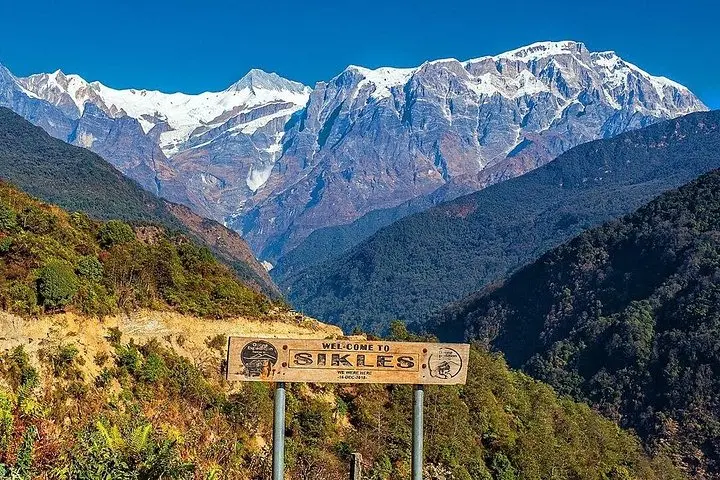
You climb out of Pokhara before sunrise and the road narrows to switchbacks, terraces and rhododendron-scented forest. The first light hits the ridgelines above Sikles Village, where stone houses and narrow lanes announce a community that still runs on local time—tea, chatter and working animals.
Verified experiences and guided adventures in the surrounding area.
Operated by Crystal Holidays Nepal · Pokhara, Gandaki Province
You climb out of Pokhara before sunrise and the road narrows to switchbacks, terraces and rhododendron-scented forest. The first light hits the ridgelines above Sikles Village, where stone houses and narrow lanes announce a community that still runs on local time—tea, chatter and working animals.
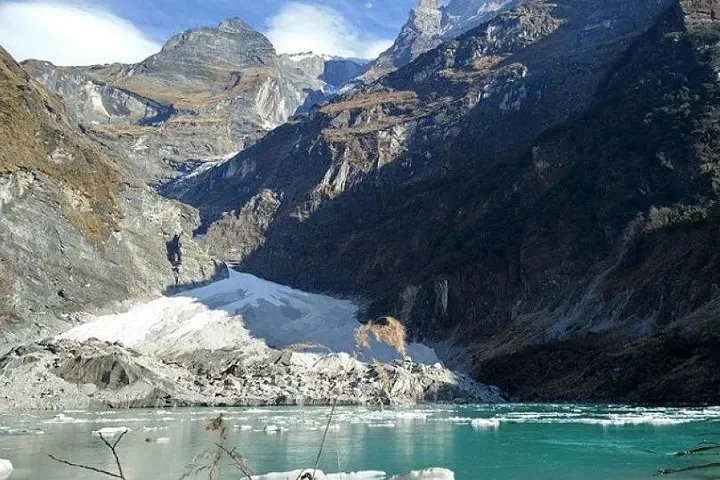
Sikles sits on the lower slopes of the Annapurna foothills and is a living snapshot of Gurung culture; houses, festivals and terraced fields reflect centuries of hill farming. Geologically the route climbs from weathered river valleys into glacially-influenced alpine bowls—Kapuche is a high-elevation lake caught behind moraines and bedrock scours carved by ice and snow.
Expect three compact days: a short morning drive from Pokhara, a gentle but steady trek into Sikles (≈6–10 km day one), then a longer push to Kapuche Glacier Lake (≈8–12 km with ~500–700 m gain) where nights are cold and the horizon opens to distant snowy peaks. Rivers will demand careful crossing in spring melt; trails are a mix of dirt, stone steps and grassy ridgelines.
Practical edge: bring a sleeping bag rated for near-freezing nights, layer aggressively for steep temperature swings, and use trekking poles on descents. Water is drinkable with treatment or from village taps; carry cash for guesthouse meals and tipping your local guide. Start early to avoid afternoon weather, and allow a slow cadence for altitude—this is trekking, not racing. Respect local customs in Sikles and leave no trace at the lake—its quiet is part of the attraction.
Trekking permit and TIMS are typically arranged by the operator and included; confirm before departure.
Accommodations are basic guesthouses in Sikles and lakeside camping or guesthouse options—expect simple rooms and local meals.
The highest point is around 2,546 m; AMS risk is moderate—ascend slowly, hydrate and communicate symptoms to your guide.
Fit beginners with prior hill-walking experience can, but a moderate fitness level and readiness for uneven trails are required.
Crystal Holidays Nepal operates guided outdoor trips and adventures with an emphasis on safety, stewardship, and memorable experiences.
You climb out of Pokhara before sunrise and the road narrows to switchbacks, terraces and rhododendron-scented forest. The first light hits the ridgelines above Sikles Village, where stone houses and narrow lanes announce a community that still runs on local time—tea, chatter and working animals.
You climb out of Pokhara before sunrise and the road narrows to switchbacks, terraces and rhododendron-scented forest. The first light hits the ridgelines above Sikles Village, where stone houses and narrow lanes announce a community that still runs on local time—tea, chatter and working animals.
Sikles sits on the lower slopes of the Annapurna foothills and is a living snapshot of Gurung culture; houses, festivals and terraced fields reflect centuries of hill farming. Geologically the route climbs from weathered river valleys into glacially-influenced alpine bowls—Kapuche is a high-elevation lake caught behind moraines and bedrock scours carved by ice and snow.
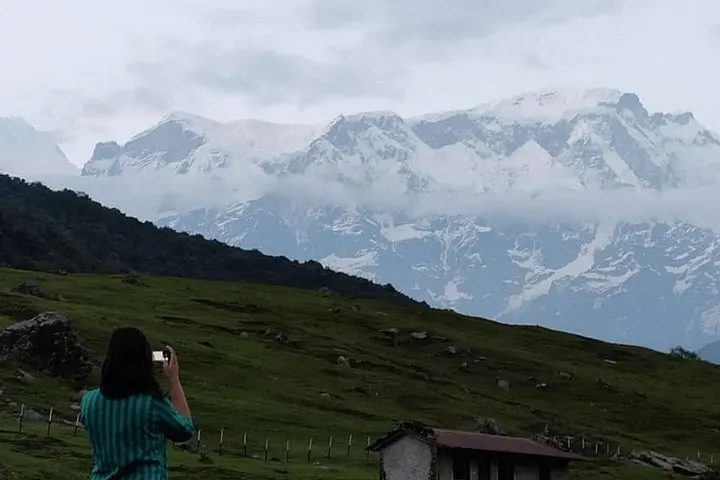
Expect three compact days: a short morning drive from Pokhara, a gentle but steady trek into Sikles (≈6–10 km day one), then a longer push to Kapuche Glacier Lake (≈8–12 km with ~500–700 m gain) where nights are cold and the horizon opens to distant snowy peaks. Rivers will demand careful crossing in spring melt; trails are a mix of dirt, stone steps and grassy ridgelines.
Practical edge: bring a sleeping bag rated for near-freezing nights, layer aggressively for steep temperature swings, and use trekking poles on descents. Water is drinkable with treatment or from village taps; carry cash for guesthouse meals and tipping your local guide. Start early to avoid afternoon weather, and allow a slow cadence for altitude—this is trekking, not racing. Respect local customs in Sikles and leave no trace at the lake—its quiet is part of the attraction.