THE ADVENTURE COLLECTIVE® · Independent discovery and booking for outdoor travel

Short, scenic half-day tour to the World Peace Stupa above Pokhara with panoramic views of Annapurna and Dhaulagiri, plus stops at Davis Fall and Gupteshwor Cave. Ideal for a morning or late-afternoon visit.
Short, scenic half-day tour to the World Peace Stupa above Pokhara with panoramic views of Annapurna and Dhaulagiri, plus stops at Davis Fall and Gupteshwor Cave. Ideal for a morning or late-afternoon visit.
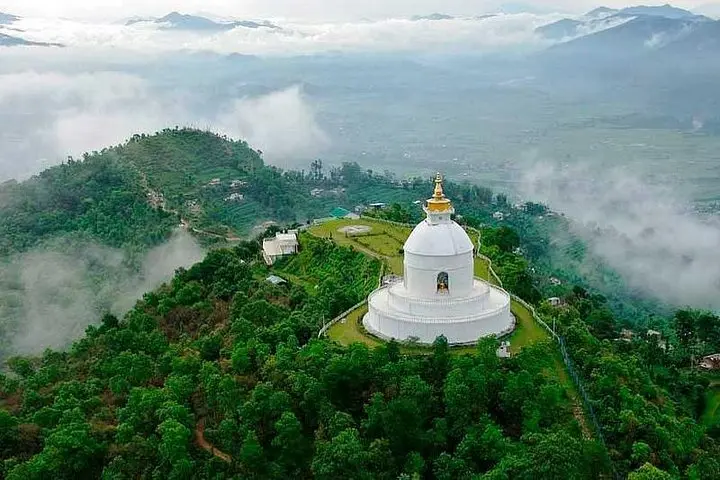
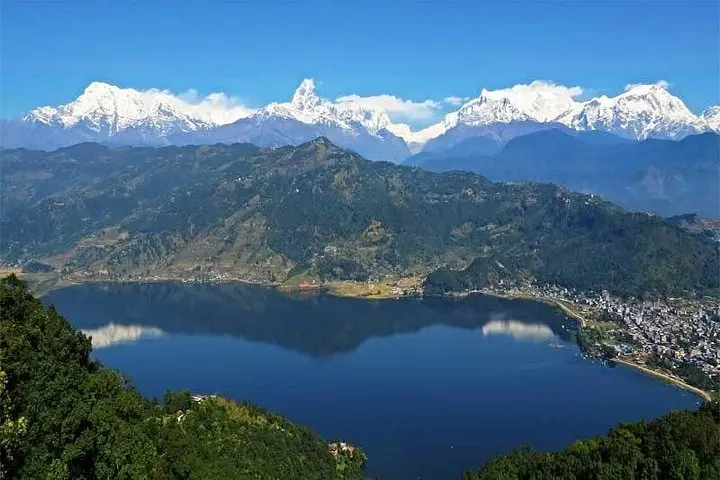
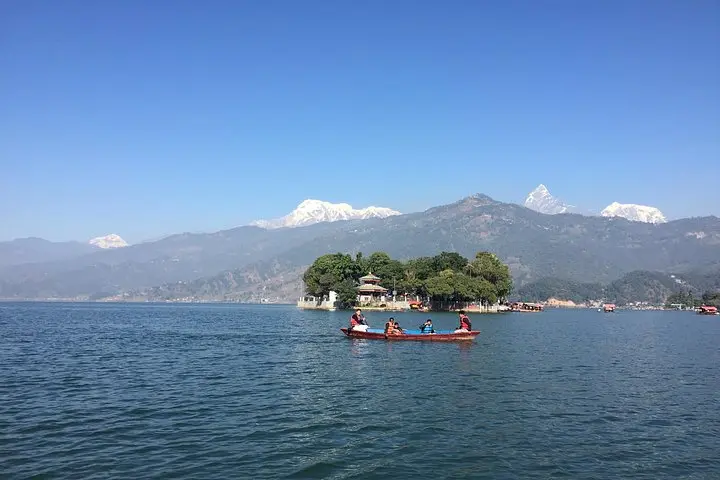
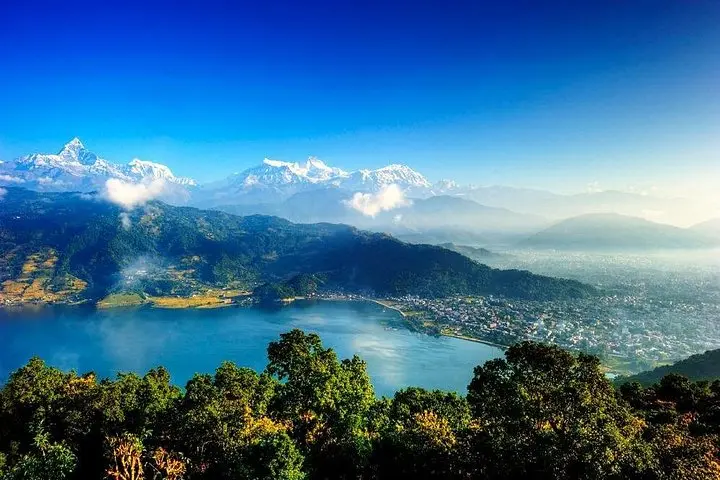
You reach the base of Anadu Hill as the city of Pokhara spreads below and the air sharpens with altitude; the trail and narrow access road climb toward the white dome of the World Peace Stupa at about 1,100 meters. From the terrace the Annapurna range and Dhaulagiri unfold across the horizon while Phewa Lake glints like a mirror cupped by the valley — the hill seems to hold the view in place so you can study it.
Verified experiences and guided adventures in the surrounding area.
Operated by Adventure Thirdpole · Pokhara, Gandaki Province
You reach the base of Anadu Hill as the city of Pokhara spreads below and the air sharpens with altitude; the trail and narrow access road climb toward the white dome of the World Peace Stupa at about 1,100 meters. From the terrace the Annapurna range and Dhaulagiri unfold across the horizon while Phewa Lake glints like a mirror cupped by the valley — the hill seems to hold the view in place so you can study it.
The stupa itself was built under the guidance of Japanese Nipponzan-Myōhōji monks and stands as a post-war monument to peace; its platforms display prayer wheels and reliefs that narrate Buddhist life and local folklore. Geologically, the hill is part of the Mahabharat Range foothills — weathered, forested slopes of oak and rhododendron with stony trail segments. On the return route you can stop at Davis Fall, where monsoon-fed water plunges into a narrow chasm, and the nearby Gupteshwor Cave, an active shrine with dripping calcite formations.
Practically, the visit is flexible: a 2–3 hour private excursion by car with an optional short hike to the stupa. Expect uneven stone steps, short steep pitches, and exposed terraces with strong sun at midday. Carry water, a light rain shell in monsoon months and modest clothing for the shrine. Morning or late afternoon light gives the best mountain visibility and cooler air.
This is an accessible half-day outing that mixes panoramic alpine views, cultural touchpoints and brief, walkable terrain — a compact way to sample Pokhara’s mountains, lake and sacred sites in one loop.
Driving from Lakeside Pokhara to the Peace Stupa take roughly 20–30 minutes depending on traffic and your pickup point.
Yes — there is a marked uphill trail with stone steps that takes about 30–50 minutes from the lake edge for moderately fit walkers.
The World Peace Stupa has no formal entrance fee; Gupteshwor Cave may request a small donation or charge for lighting and access depending on management.
The tour is family-friendly but steep steps and uneven surfaces can be challenging for those with limited mobility; the private car option reduces uphill walking.
Adventure Thirdpole operates guided outdoor trips and adventures with an emphasis on safety, stewardship, and memorable experiences.
You reach the base of Anadu Hill as the city of Pokhara spreads below and the air sharpens with altitude; the trail and narrow access road climb toward the white dome of the World Peace Stupa at about 1,100 meters. From the terrace the Annapurna range and Dhaulagiri unfold across the horizon while Phewa Lake glints like a mirror cupped by the valley — the hill seems to hold the view in place so you can study it.
You reach the base of Anadu Hill as the city of Pokhara spreads below and the air sharpens with altitude; the trail and narrow access road climb toward the white dome of the World Peace Stupa at about 1,100 meters. From the terrace the Annapurna range and Dhaulagiri unfold across the horizon while Phewa Lake glints like a mirror cupped by the valley — the hill seems to hold the view in place so you can study it.
The stupa itself was built under the guidance of Japanese Nipponzan-Myōhōji monks and stands as a post-war monument to peace; its platforms display prayer wheels and reliefs that narrate Buddhist life and local folklore. Geologically, the hill is part of the Mahabharat Range foothills — weathered, forested slopes of oak and rhododendron with stony trail segments. On the return route you can stop at Davis Fall, where monsoon-fed water plunges into a narrow chasm, and the nearby Gupteshwor Cave, an active shrine with dripping calcite formations.
Practically, the visit is flexible: a 2–3 hour private excursion by car with an optional short hike to the stupa. Expect uneven stone steps, short steep pitches, and exposed terraces with strong sun at midday. Carry water, a light rain shell in monsoon months and modest clothing for the shrine. Morning or late afternoon light gives the best mountain visibility and cooler air.
This is an accessible half-day outing that mixes panoramic alpine views, cultural touchpoints and brief, walkable terrain — a compact way to sample Pokhara’s mountains, lake and sacred sites in one loop.