THE ADVENTURE COLLECTIVE® · Independent discovery and booking for outdoor travel

Trade city streets for open pampas in a three-hour polo lesson that pairs beginner-friendly instruction with authentic Argentine horsemanship. Transport from central Buenos Aires, helmets and player equipment are included—bring sturdy shoes and a readiness to learn.
Trade city streets for open pampas in a three-hour polo lesson that pairs beginner-friendly instruction with authentic Argentine horsemanship. Transport from central Buenos Aires, helmets and player equipment are included—bring sturdy shoes and a readiness to learn.
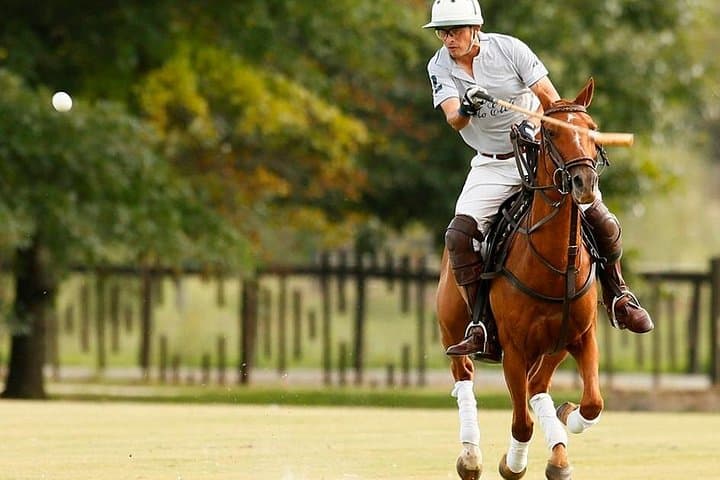
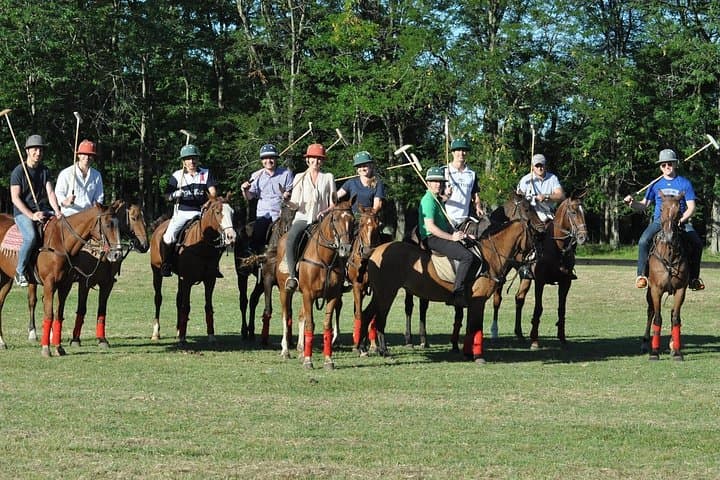
You meet in Buenos Aires city center, a flurry of taxis and cafe chatter behind you, then a minivan eases onto the highway and the skyline loosens. The city gives way to flat green: the pampas stretching to the horizon, wind pushing the long grass as if daring you to ride faster. At the farm the stable doors open to the smell of leather and hay; horses shift impatiently, ready to teach what words cannot.
Verified experiences and guided adventures in the surrounding area.
Operated by Polo Elite · Buenos Aires, Buenos Aires Province
You meet in Buenos Aires city center, a flurry of taxis and cafe chatter behind you, then a minivan eases onto the highway and the skyline loosens. The city gives way to flat green: the pampas stretching to the horizon, wind pushing the long grass as if daring you to ride faster. At the farm the stable doors open to the smell of leather and hay; horses shift impatiently, ready to teach what words cannot.
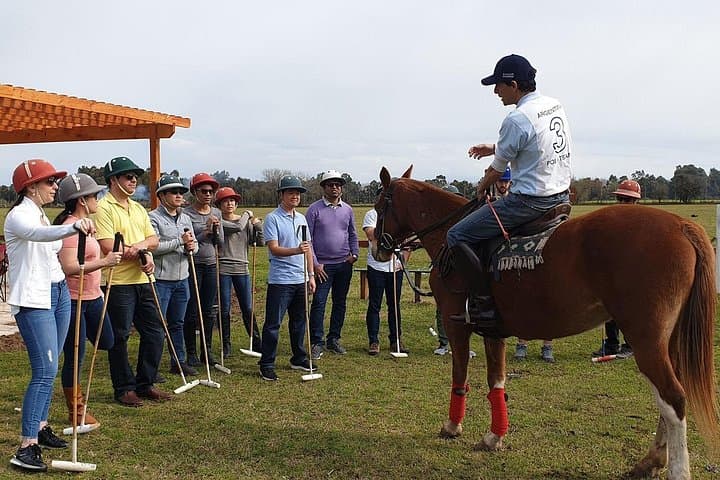
Polo arrived in Argentina with British settlers in the late 19th century and took root where open plains and horsemanship met—creating a national obsession and a professional culture centered around clubs and estancias. Geologically the pampas are low, fertile plains of loess and clay, wide and wind-swept, which make for consistent polo fields and long sightlines. Culturally, lessons sit between sport and social ritual: expect short instruction on basics, then drills that fast-track you into riding and hitting the ball.
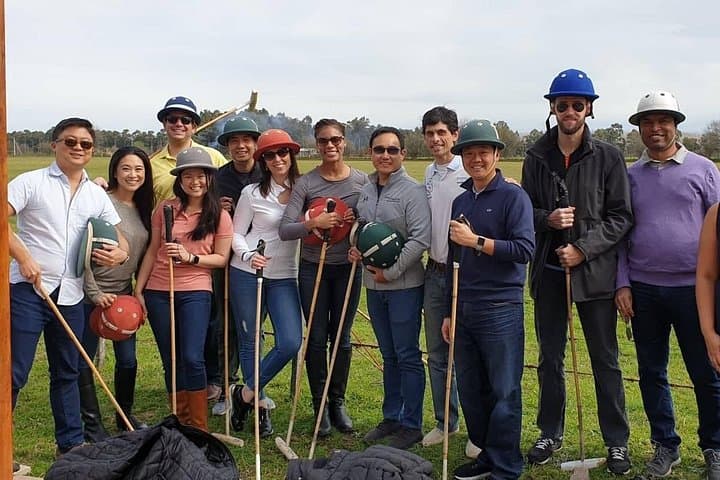
Practical guidance is straightforward: sessions run roughly three hours including round-trip transport from the meeting point. Helmets and basic player equipment are provided, but boots are not—bring sturdy, closed-toe footwear. Lessons welcome riders from age six up to about 70 and require moderate fitness and balance; prior riding is helpful but not mandatory. Bookings usually require at least two participants and may be canceled for bad weather.
Plan mornings in summer to avoid heat, keep hydrated, and mention any heart or weight concerns when booking. The payoff is immediate: horse beneath you, mallet in hand, and the pampas opening like a waiting field—simple, exacting, and undeniably Argentine.
No—prior experience helps but is not required. Instructors provide staged drills and have horses suitable for beginners.
Yes—round-trip transport from a central meeting point in the city is provided as part of the session.
Helmets and basic player equipment are supplied; boots are not provided, so bring suitable closed-toe footwear.
Minimum age is generally six and maximum around 70; not recommended for travelers with serious heart conditions—disclose health and weight details when booking.
Polo Elite operates guided outdoor trips and adventures with an emphasis on safety, stewardship, and memorable experiences.
You meet in Buenos Aires city center, a flurry of taxis and cafe chatter behind you, then a minivan eases onto the highway and the skyline loosens. The city gives way to flat green: the pampas stretching to the horizon, wind pushing the long grass as if daring you to ride faster. At the farm the stable doors open to the smell of leather and hay; horses shift impatiently, ready to teach what words cannot.
You meet in Buenos Aires city center, a flurry of taxis and cafe chatter behind you, then a minivan eases onto the highway and the skyline loosens. The city gives way to flat green: the pampas stretching to the horizon, wind pushing the long grass as if daring you to ride faster. At the farm the stable doors open to the smell of leather and hay; horses shift impatiently, ready to teach what words cannot.
Polo arrived in Argentina with British settlers in the late 19th century and took root where open plains and horsemanship met—creating a national obsession and a professional culture centered around clubs and estancias. Geologically the pampas are low, fertile plains of loess and clay, wide and wind-swept, which make for consistent polo fields and long sightlines. Culturally, lessons sit between sport and social ritual: expect short instruction on basics, then drills that fast-track you into riding and hitting the ball.
Practical guidance is straightforward: sessions run roughly three hours including round-trip transport from the meeting point. Helmets and basic player equipment are provided, but boots are not—bring sturdy, closed-toe footwear. Lessons welcome riders from age six up to about 70 and require moderate fitness and balance; prior riding is helpful but not mandatory. Bookings usually require at least two participants and may be canceled for bad weather.
Plan mornings in summer to avoid heat, keep hydrated, and mention any heart or weight concerns when booking. The payoff is immediate: horse beneath you, mallet in hand, and the pampas opening like a waiting field—simple, exacting, and undeniably Argentine.