THE ADVENTURE COLLECTIVE® · Independent discovery and booking for outdoor travel

Pedal across Polonnaruwa’s 12th-century ruins and reservoir banks on a private day tour from Pasikuda or Kalkuda. Expect a roughly 10 km cycling loop, village lunch, and easy terrain with rich historical context.
Pedal across Polonnaruwa’s 12th-century ruins and reservoir banks on a private day tour from Pasikuda or Kalkuda. Expect a roughly 10 km cycling loop, village lunch, and easy terrain with rich historical context.
Morning light slices across the parched paddy plains as riders wheel out from the coastal humidity toward Polonnaruwa’s stone skeletons. The air tastes faintly of salt and dust; reservoirs wink and dare you to slow down. This private cycling day tour covers roughly a 10 km loop through the ancient city’s core, then spills along tank banks and village lanes for sweeping views of the Parakrama Samudra.
Verified experiences and guided adventures in the surrounding area.
Operated by Ceylon Travel Dream · Polonnaruwa, North Central Province
Morning light slices across the parched paddy plains as riders wheel out from the coastal humidity toward Polonnaruwa’s stone skeletons. The air tastes faintly of salt and dust; reservoirs wink and dare you to slow down. This private cycling day tour covers roughly a 10 km loop through the ancient city’s core, then spills along tank banks and village lanes for sweeping views of the Parakrama Samudra.
Polonnaruwa rose to prominence in the 11th–12th centuries — King Parakramabahu’s reign left canals, stupas and the monumental Gal Vihara stone Buddhas that define the site today. Geologically the area sits on low, flat alluvial plains shaped by ancient irrigation works: manmade tanks and linked waterways dominate the landscape and control the seasonal rhythms in rice paddies.
Culturally, the ride passes working villages where you can taste a local lunch and sample toddy, an age-old palm wine. Guides explain archaeological context at key monuments and point out the museum collections that house inscriptions and relics.
Practically, expect flat, mostly paved or compacted dirt surfaces and minimal elevation gain; basic cycling skills suffice. The full outing runs about 11–12 hours including transfers from Pasikuda/Kalkuda (roundtrip transport totals roughly five hours). Bring sun protection, refillable water, and a modest entry fee for the archaeological zone. Start early to avoid midday heat and plan for gentle, steady pedaling: the route is as much about steady observation as speed. For travelers who want culture, easy gradients, and wide-open reservoir views, this ride balances history with approachable adventure.
The on-site cycling portion is about 10 km around the main archaeological zone and adjacent reservoirs—planned at an easy to moderate pace with stops.
Admission to the Polonnaruwa archaeological site is typically not included; expect to pay the official archaeological zone fee on arrival.
Roundtrip transport from Pasikuda/Kalkuda is roughly five hours total, with about 2–2.5 hours each way depending on traffic and stops.
Yes—riders with basic bike-handling ability and moderate fitness will find the terrain manageable; it’s not technical but requires endurance for a long day.
Ceylon Travel Dream operates guided outdoor trips and adventures with an emphasis on safety, stewardship, and memorable experiences.
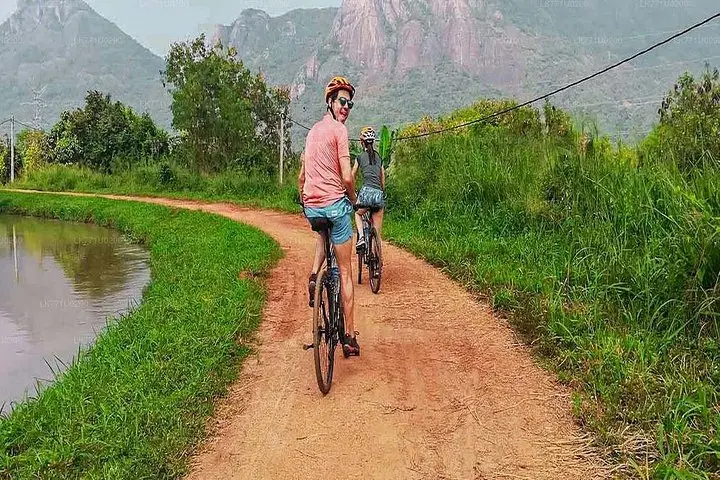
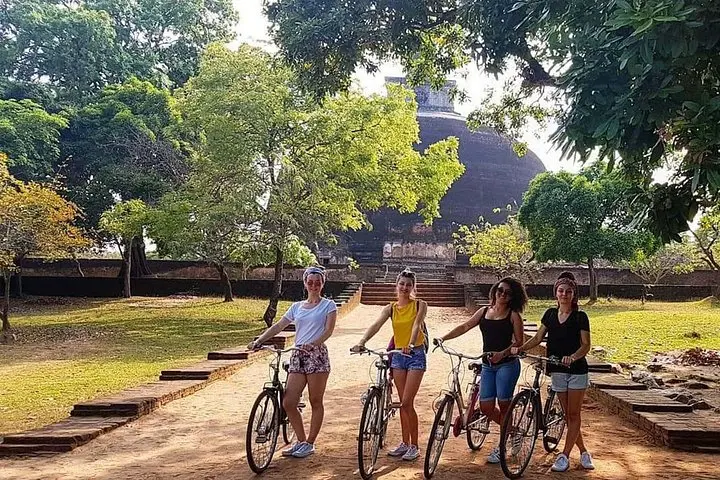
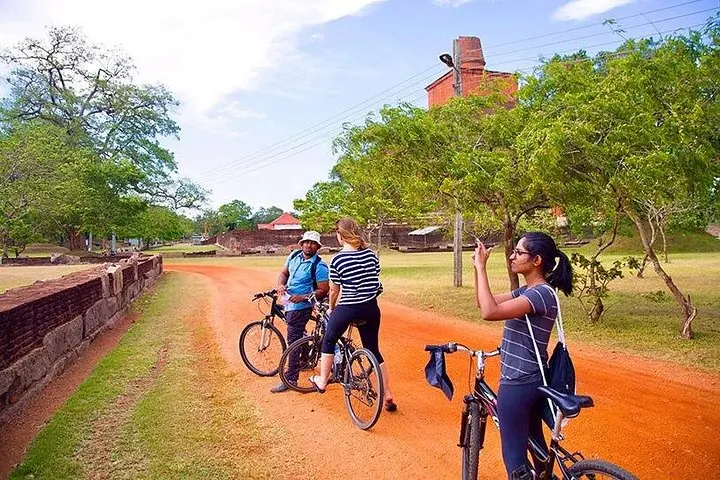
Morning light slices across the parched paddy plains as riders wheel out from the coastal humidity toward Polonnaruwa’s stone skeletons. The air tastes faintly of salt and dust; reservoirs wink and dare you to slow down. This private cycling day tour covers roughly a 10 km loop through the ancient city’s core, then spills along tank banks and village lanes for sweeping views of the Parakrama Samudra.
Morning light slices across the parched paddy plains as riders wheel out from the coastal humidity toward Polonnaruwa’s stone skeletons. The air tastes faintly of salt and dust; reservoirs wink and dare you to slow down. This private cycling day tour covers roughly a 10 km loop through the ancient city’s core, then spills along tank banks and village lanes for sweeping views of the Parakrama Samudra.
Polonnaruwa rose to prominence in the 11th–12th centuries — King Parakramabahu’s reign left canals, stupas and the monumental Gal Vihara stone Buddhas that define the site today. Geologically the area sits on low, flat alluvial plains shaped by ancient irrigation works: manmade tanks and linked waterways dominate the landscape and control the seasonal rhythms in rice paddies.
Culturally, the ride passes working villages where you can taste a local lunch and sample toddy, an age-old palm wine. Guides explain archaeological context at key monuments and point out the museum collections that house inscriptions and relics.
Practically, expect flat, mostly paved or compacted dirt surfaces and minimal elevation gain; basic cycling skills suffice. The full outing runs about 11–12 hours including transfers from Pasikuda/Kalkuda (roundtrip transport totals roughly five hours). Bring sun protection, refillable water, and a modest entry fee for the archaeological zone. Start early to avoid midday heat and plan for gentle, steady pedaling: the route is as much about steady observation as speed. For travelers who want culture, easy gradients, and wide-open reservoir views, this ride balances history with approachable adventure.