THE ADVENTURE COLLECTIVE® · Independent discovery and booking for outdoor travel

A full-day drive from Colombo delivers you to the stone-carved heart of Polonnaruwa—UNESCO-listed ruins, Gal Vihara’s granite Buddhas and working irrigation tanks. This guide covers what you’ll see, seasonal expectations and practical tips to make the most of a long but rewarding day.
A full-day drive from Colombo delivers you to the stone-carved heart of Polonnaruwa—UNESCO-listed ruins, Gal Vihara’s granite Buddhas and working irrigation tanks. This guide covers what you’ll see, seasonal expectations and practical tips to make the most of a long but rewarding day.
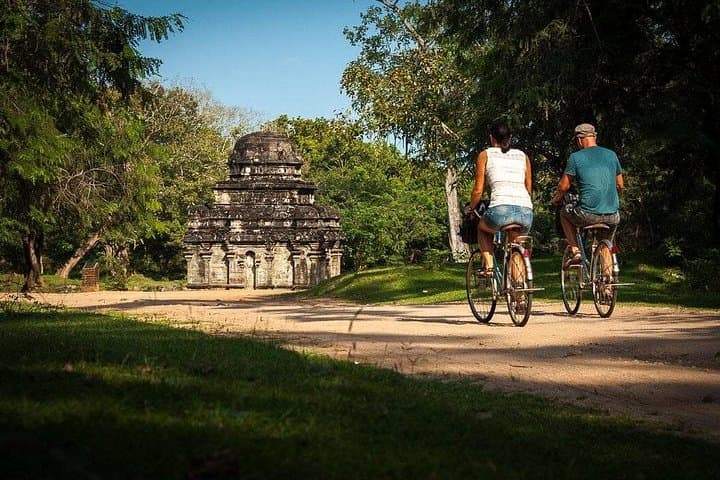
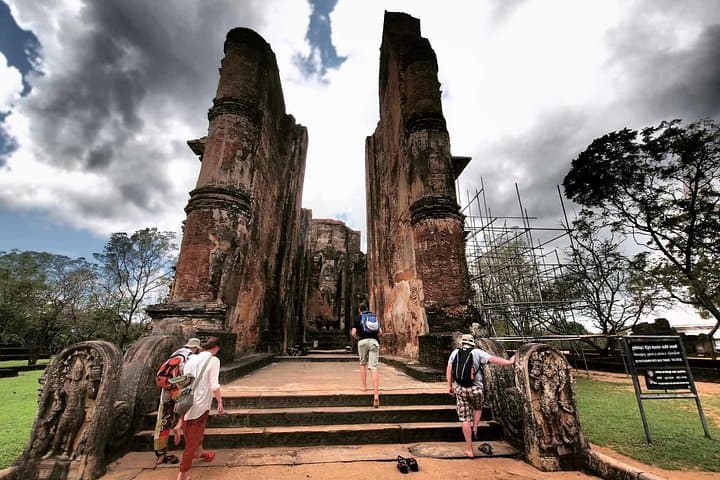
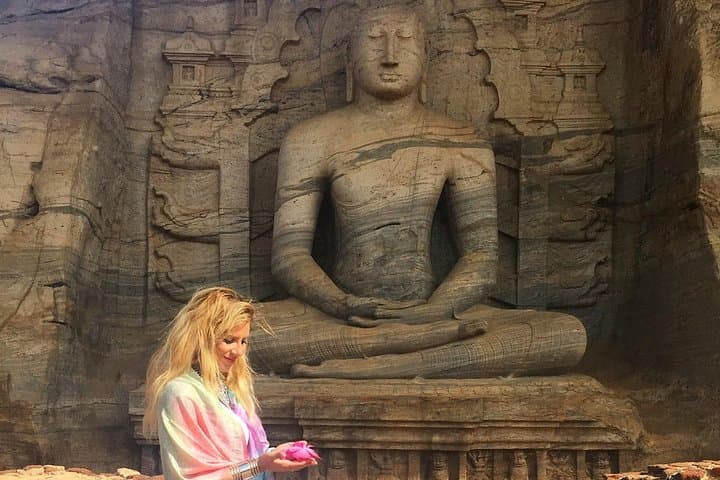
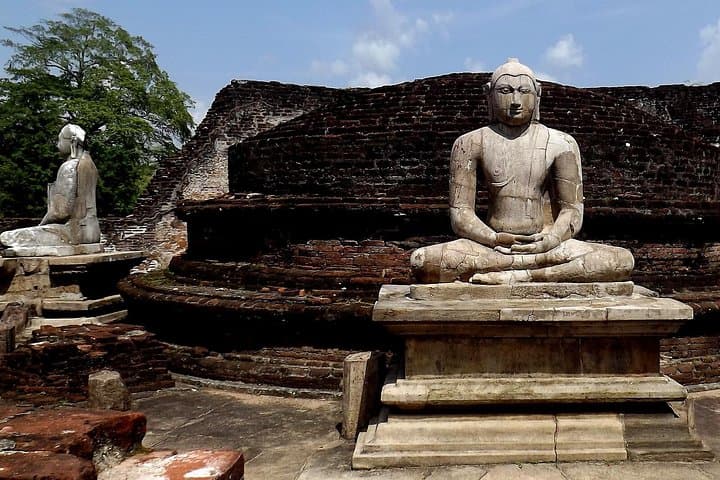
The morning road loosens Colombo’s bustle as the vehicle cuts east and the low plains open into rice paddies and scrub—Polonnaruwa’s stony skyline appears like a page from a different century. You step into a city that still breathes through carved granite: reclining Buddhas, ruined stupas, and the smooth faces of Gal Vihara that seem to watch the sun move across the plain.
Verified experiences and guided adventures in the surrounding area.
Operated by Apple Vacations Pvt Ltd · Polonnaruwa, North Central Province
The morning road loosens Colombo’s bustle as the vehicle cuts east and the low plains open into rice paddies and scrub—Polonnaruwa’s stony skyline appears like a page from a different century. You step into a city that still breathes through carved granite: reclining Buddhas, ruined stupas, and the smooth faces of Gal Vihara that seem to watch the sun move across the plain.
Polonnaruwa was Sri Lanka’s capital in the 11th–13th centuries, reshaped by kings such as Parakramabahu I. The archaeological zone gathers royal palaces, monastic complexes and irrigation works—Parakrama Samudra’s banks speak to an advanced hydraulic culture that fed an empire. Geologically the site sits on Miocene sedimentary plains with hard metamorphic outcrops used for the monumental stone carvings.
Culturally, local villages still tuck market stalls beside ancient causeways; seasonal fruits and rice-based snacks make for simple, vivid stops. Expect toque macaques threading through ruins and peafowl ghosting between trees—nature and history sharing the same footprint.
Practical guidance: the full-day outing runs 12–14 hours—pack water, sunscreen and a hat; footwear should handle uneven stone and occasional muddy tracks. Dress modestly for temple visits—shoulders and knees covered, shoes removed at entrances. Guides will handle permits and routing, but bring a camera with a spare battery and small bills to tip conservators or vendors.
Timing matters: visit early light for cooler temperatures and softer photos, avoid midday heat. Respect signage and leave no trace—these carved stones are weathered but fragile; your careful footsteps help keep them standing for the next traveler.
Pick-up from Colombo and return typically makes for a 12–14 hour day, depending on traffic; driving time to Polonnaruwa is about 4–5 hours each way.
This tour description notes admission is not included, so expect to pay archaeological site fees on arrival—confirm with the operator before travel.
The route involves uneven ground and some short climbs; families and older travelers can participate but should be comfortable with moderate walking and able to remove shoes at temples.
There are small vendors and seasonal fruit stalls near popular points, but carry snacks and water for long stretches between stops.
Apple Vacations Pvt Ltd operates guided outdoor trips and adventures with an emphasis on safety, stewardship, and memorable experiences.
The morning road loosens Colombo’s bustle as the vehicle cuts east and the low plains open into rice paddies and scrub—Polonnaruwa’s stony skyline appears like a page from a different century. You step into a city that still breathes through carved granite: reclining Buddhas, ruined stupas, and the smooth faces of Gal Vihara that seem to watch the sun move across the plain.
The morning road loosens Colombo’s bustle as the vehicle cuts east and the low plains open into rice paddies and scrub—Polonnaruwa’s stony skyline appears like a page from a different century. You step into a city that still breathes through carved granite: reclining Buddhas, ruined stupas, and the smooth faces of Gal Vihara that seem to watch the sun move across the plain.
Polonnaruwa was Sri Lanka’s capital in the 11th–13th centuries, reshaped by kings such as Parakramabahu I. The archaeological zone gathers royal palaces, monastic complexes and irrigation works—Parakrama Samudra’s banks speak to an advanced hydraulic culture that fed an empire. Geologically the site sits on Miocene sedimentary plains with hard metamorphic outcrops used for the monumental stone carvings.
Culturally, local villages still tuck market stalls beside ancient causeways; seasonal fruits and rice-based snacks make for simple, vivid stops. Expect toque macaques threading through ruins and peafowl ghosting between trees—nature and history sharing the same footprint.
Practical guidance: the full-day outing runs 12–14 hours—pack water, sunscreen and a hat; footwear should handle uneven stone and occasional muddy tracks. Dress modestly for temple visits—shoulders and knees covered, shoes removed at entrances. Guides will handle permits and routing, but bring a camera with a spare battery and small bills to tip conservators or vendors.
Timing matters: visit early light for cooler temperatures and softer photos, avoid midday heat. Respect signage and leave no trace—these carved stones are weathered but fragile; your careful footsteps help keep them standing for the next traveler.