THE ADVENTURE COLLECTIVE® · Independent discovery and booking for outdoor travel

Take an early-morning drive from Negombo to the UNESCO-listed ruins of Polonnaruwa for a full day among royal palaces, rock-carved Buddhas and an immense man-made reservoir. This practical guide outlines what to expect—terrain, highlights and preparation tips—for a comfortable, informed visit.
Take an early-morning drive from Negombo to the UNESCO-listed ruins of Polonnaruwa for a full day among royal palaces, rock-carved Buddhas and an immense man-made reservoir. This practical guide outlines what to expect—terrain, highlights and preparation tips—for a comfortable, informed visit.
You step out of the air-conditioned vehicle into a sunlit clearing, dust motes lifting above stone platforms as the guide points toward a low, weathered stupa. The air smells of dry earth and frangipani; monks' chants drift faintly from a nearby shrine. Polonnaruwa's ruins stretch across open ground—columns, terraces and giant Buddha images chiselled from living rock—inviting a slow, deliberate walk.
Verified experiences and guided adventures in the surrounding area.
Operated by OTN WORLD PVT LTD · Polonnaruwa, North Central Province
You step out of the air-conditioned vehicle into a sunlit clearing, dust motes lifting above stone platforms as the guide points toward a low, weathered stupa. The air smells of dry earth and frangipani; monks' chants drift faintly from a nearby shrine. Polonnaruwa's ruins stretch across open ground—columns, terraces and giant Buddha images chiselled from living rock—inviting a slow, deliberate walk.
Polonnaruwa was Sri Lanka's capital from the 11th to 13th centuries and carries the imprint of kings like Parakramabahu and Nissanka Malla. Geologically the site sits on the island's ancient dry zone plains, flanked by Parakrama Samudra, an engineered reservoir that demonstrates medieval water management. Cultural layers include Sinhalese Buddhist monuments and earlier South Indian influences—look for the stone Nandi at Shiva Devale No.2.
Practically, the archaeological park is compact but extensive: plan on 2–4 km of walking over mostly flat but uneven stone, brick and packed-earth surfaces with occasional low steps and carved platforms (elevation gain is minimal). Expect open sun and limited shade around major monuments; carry water, sunscreen and a hat. A local guide brings the site to life and helps navigate re-entry rules and photography spots. The day trip from Negombo is a long one—allow for 3.5–4 hours of driving each way depending on traffic—so start early and prioritize Gal Vihara, the Royal Palace complex, Rankot Vehera and a shoreline view of Parakrama Samudra. Respect signage: don’t climb fragile masonry, deposit trash in receptacles, and keep noise low around active shrines.
Expect roughly 3.5–4 hours each way depending on traffic and stops; this itinerary is a full-day excursion.
Entrance to Polonnaruwa Archaeological Park is typically a separate local fee payable at the gate; check with your operator if they include tickets.
Yes—walking is gentle but uneven; bring rest breaks and consider mobility limitations since re-entry may be restricted.
This tour includes a professional English-speaking driver and guide services at the site, bottled water and seasonal fruits; full meals vary by itinerary.
OTN WORLD PVT LTD operates guided outdoor trips and adventures with an emphasis on safety, stewardship, and memorable experiences.
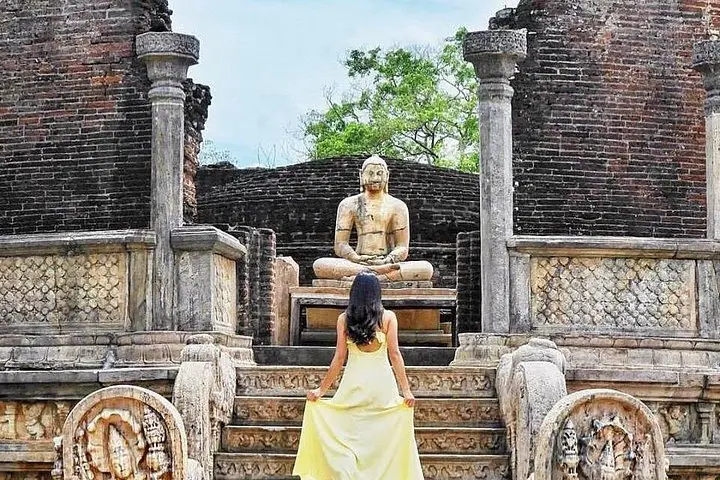
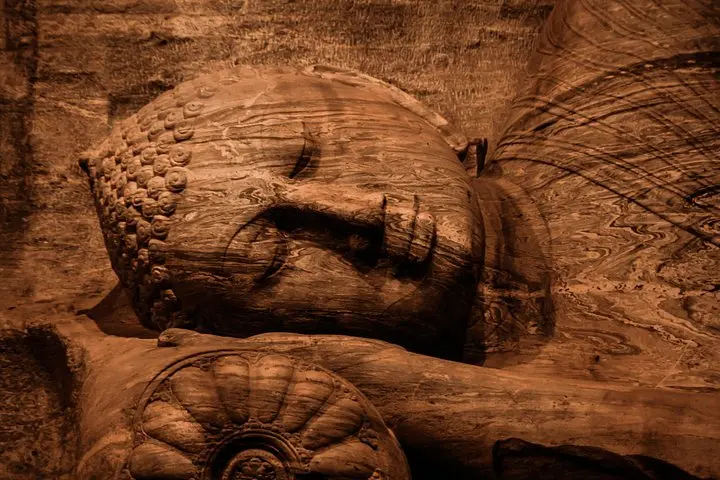
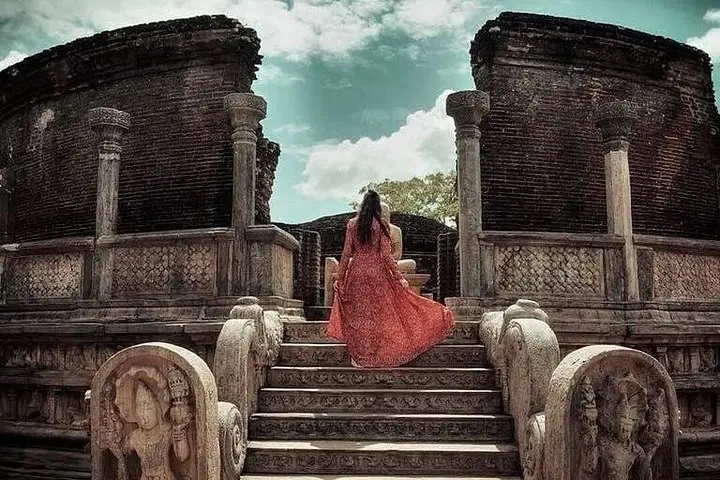
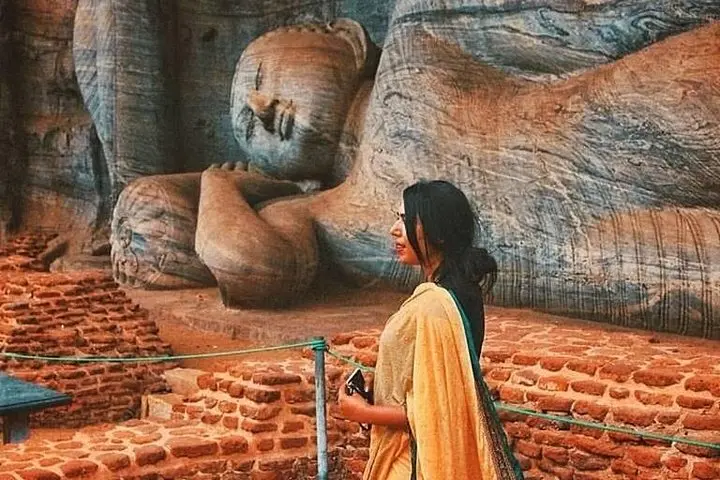
You step out of the air-conditioned vehicle into a sunlit clearing, dust motes lifting above stone platforms as the guide points toward a low, weathered stupa. The air smells of dry earth and frangipani; monks' chants drift faintly from a nearby shrine. Polonnaruwa's ruins stretch across open ground—columns, terraces and giant Buddha images chiselled from living rock—inviting a slow, deliberate walk.
You step out of the air-conditioned vehicle into a sunlit clearing, dust motes lifting above stone platforms as the guide points toward a low, weathered stupa. The air smells of dry earth and frangipani; monks' chants drift faintly from a nearby shrine. Polonnaruwa's ruins stretch across open ground—columns, terraces and giant Buddha images chiselled from living rock—inviting a slow, deliberate walk.
Polonnaruwa was Sri Lanka's capital from the 11th to 13th centuries and carries the imprint of kings like Parakramabahu and Nissanka Malla. Geologically the site sits on the island's ancient dry zone plains, flanked by Parakrama Samudra, an engineered reservoir that demonstrates medieval water management. Cultural layers include Sinhalese Buddhist monuments and earlier South Indian influences—look for the stone Nandi at Shiva Devale No.2.
Practically, the archaeological park is compact but extensive: plan on 2–4 km of walking over mostly flat but uneven stone, brick and packed-earth surfaces with occasional low steps and carved platforms (elevation gain is minimal). Expect open sun and limited shade around major monuments; carry water, sunscreen and a hat. A local guide brings the site to life and helps navigate re-entry rules and photography spots. The day trip from Negombo is a long one—allow for 3.5–4 hours of driving each way depending on traffic—so start early and prioritize Gal Vihara, the Royal Palace complex, Rankot Vehera and a shoreline view of Parakrama Samudra. Respect signage: don’t climb fragile masonry, deposit trash in receptacles, and keep noise low around active shrines.