THE ADVENTURE COLLECTIVE® · Independent discovery and booking for outdoor travel

Spend a private day with Hervé, a traditional navigator and healer, harvesting garden produce and preparing a Polynesian lunch from scratch. Expect hands-on cooking, river crossing, and stories that link navigation, culture, and the island landscape.
Spend a private day with Hervé, a traditional navigator and healer, harvesting garden produce and preparing a Polynesian lunch from scratch. Expect hands-on cooking, river crossing, and stories that link navigation, culture, and the island landscape.
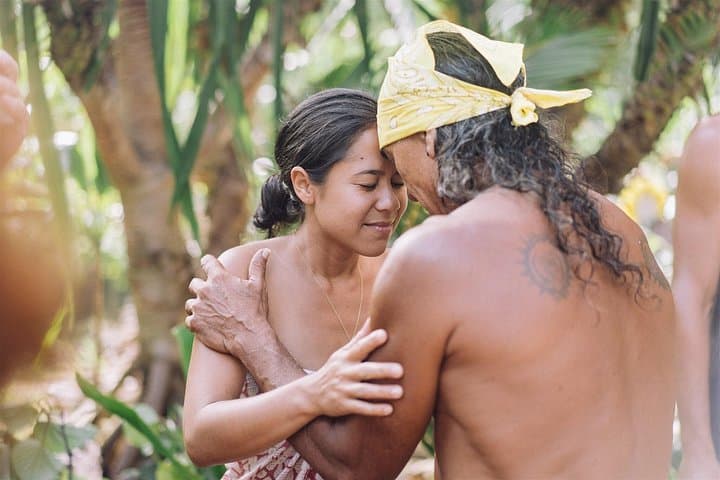
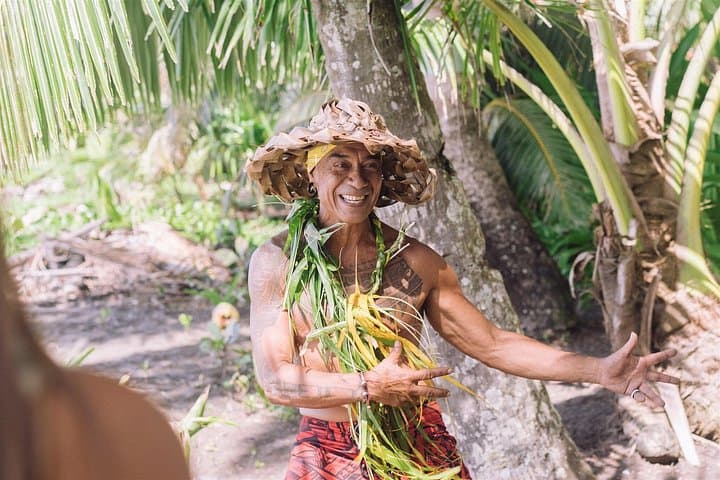
You step off the road and the sound of the village narrows to the rustle of breadfruit leaves and a small river daring you across its shallow bed. Hervé greets you with an easy authority—navigator, healer, storyteller—and leads you toward his fa'a'apu where the air smells of coconut and warm earth.
Verified experiences and guided adventures in the surrounding area.
Operated by Nani · Papeete, Tahiti
You step off the road and the sound of the village narrows to the rustle of breadfruit leaves and a small river daring you across its shallow bed. Hervé greets you with an easy authority—navigator, healer, storyteller—and leads you toward his fa'a'apu where the air smells of coconut and warm earth.
On Tahiti, volcanic ridges drop quickly into valleys that feed clear streams; the island's basalt bones shape the gardens and the marae, the stone platforms where ancestors were honored. Hervé's home sits between a cultivated plot and a small sacred site, and the day's rhythm reflects centuries of coastal Polynesian practice: fish taken from nearby waters, root crops raised in raised beds, coconut prepared by hand.
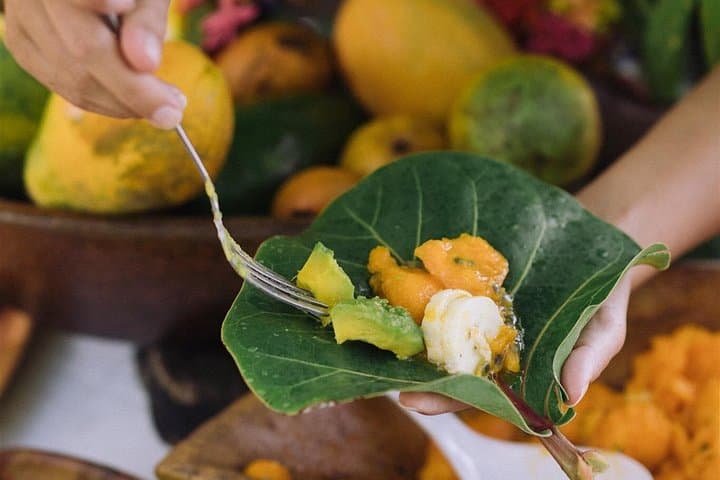
You'll learn practical skills—grating coconut, making coconut milk, cleaning fresh reef fish—and hear navigation stories that connect stars, currents, and long canoes. Meals include raw fish in coconut milk and po'e made from garden fruits; herbal teas come from the medicinal garden.
Practical notes: expect a private, six-hour visit with no municipal drinking water or electricity; spring water and dry toilets are available. The approach requires crossing a shallow river up to knee depth, so sturdy water footwear and quick-dry clothing are essential. Midday sun is strong—plan for shade and hydration—and the wet season can bring sudden showers, so a lightweight rain layer helps.
This is a hands-on cultural exchange more than a tour: bring curiosity, respect local customs at the marae, and be prepared to participate in food harvesting and preparation.
The crossing is shallow—typically up to knee depth—but the riverbed can be uneven; water shoes and steady footing are recommended.
Hosts use garden and seafood products; notify booking in advance so the host can adjust the meal where possible, but options may be limited by what's available that day.
No—access involves uneven paths, a river crossing, and steps; the experience is not suitable for wheelchairs or people with significant mobility limitations.
There are dry toilets and spring water only; there is no municipal filtered drinking water or electrical outlets on site.
Nani operates guided outdoor trips and adventures with an emphasis on safety, stewardship, and memorable experiences.
You step off the road and the sound of the village narrows to the rustle of breadfruit leaves and a small river daring you across its shallow bed. Hervé greets you with an easy authority—navigator, healer, storyteller—and leads you toward his fa'a'apu where the air smells of coconut and warm earth.
You step off the road and the sound of the village narrows to the rustle of breadfruit leaves and a small river daring you across its shallow bed. Hervé greets you with an easy authority—navigator, healer, storyteller—and leads you toward his fa'a'apu where the air smells of coconut and warm earth.
On Tahiti, volcanic ridges drop quickly into valleys that feed clear streams; the island's basalt bones shape the gardens and the marae, the stone platforms where ancestors were honored. Hervé's home sits between a cultivated plot and a small sacred site, and the day's rhythm reflects centuries of coastal Polynesian practice: fish taken from nearby waters, root crops raised in raised beds, coconut prepared by hand.
You'll learn practical skills—grating coconut, making coconut milk, cleaning fresh reef fish—and hear navigation stories that connect stars, currents, and long canoes. Meals include raw fish in coconut milk and po'e made from garden fruits; herbal teas come from the medicinal garden.
Practical notes: expect a private, six-hour visit with no municipal drinking water or electricity; spring water and dry toilets are available. The approach requires crossing a shallow river up to knee depth, so sturdy water footwear and quick-dry clothing are essential. Midday sun is strong—plan for shade and hydration—and the wet season can bring sudden showers, so a lightweight rain layer helps.
This is a hands-on cultural exchange more than a tour: bring curiosity, respect local customs at the marae, and be prepared to participate in food harvesting and preparation.