
Polynesian Wood Carving Demo in Kahului: Live Maui Carver & Try-It-Yourself Session
Watch a master carver transform a raw block of wood into a finished Polynesian carving in a one-hour demo at Queen Kaʻahumanu Center. This hands-on cultural session includes gallery context, live talk-story and a supervised try-it-yourself opportunity.
An Adventure In Kahului.
Watch a master carver transform a raw block of wood into a finished Polynesian carving in a one-hour demo at Queen Kaʻahumanu Center. This hands-on cultural session includes gallery context, live talk-story and a supervised try-it-yourself opportunity.
Read the full experience
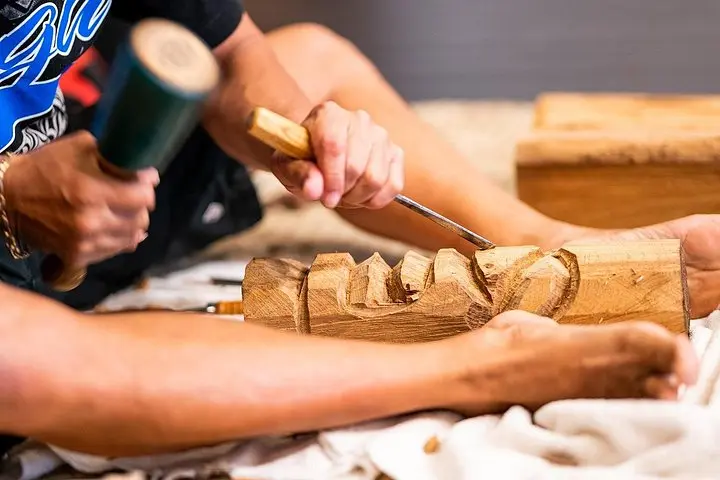
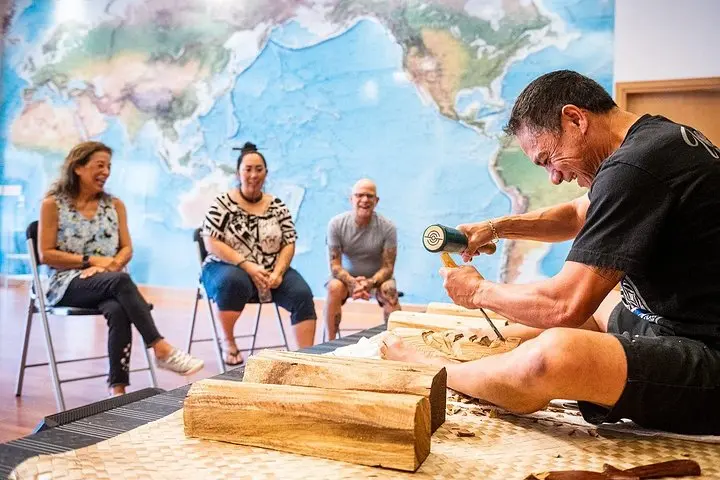
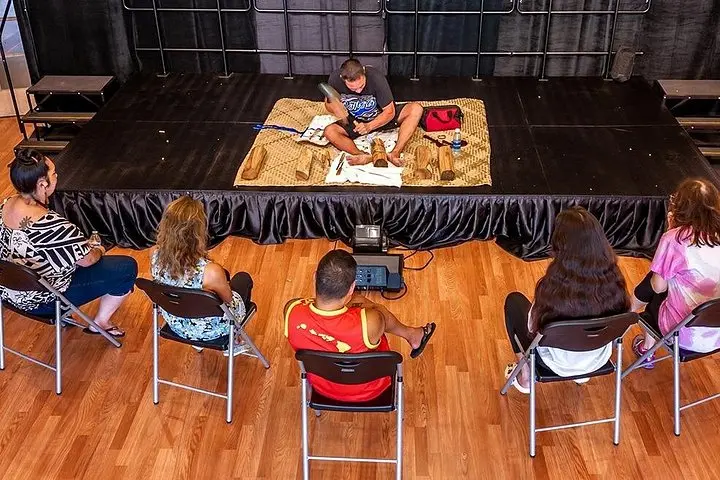
You step off the bright mall concourse into a cooler room where the scent of fresh-cut wood and oil meets the hum of shoppers. On a raised workbench an experienced carver begins — mallet meets chisel, shavings curl like small islands falling to the floor. The space feels part studio, part classroom: intimate, focused, and quietly public.
You step off the bright mall concourse into a cooler room where the scent of fresh-cut wood and oil meets the hum of shoppers. On a raised workbench an experienced carver begins — mallet meets chisel, shavings curl like small islands falling to the floor. The space feels part studio, part classroom: intimate, focused, and quietly public.
The demonstration is framed by the Migrations Galleries: displays that trace the movement of peoples across the Pacific and the material culture they brought with them. Polynesian carving is both functional and symbolic — paddle blades, dance implements, and portraiture carry lineage and stories. The presenter ties technique to history, explaining how forms and tools adapted from voyaging life to island environments.
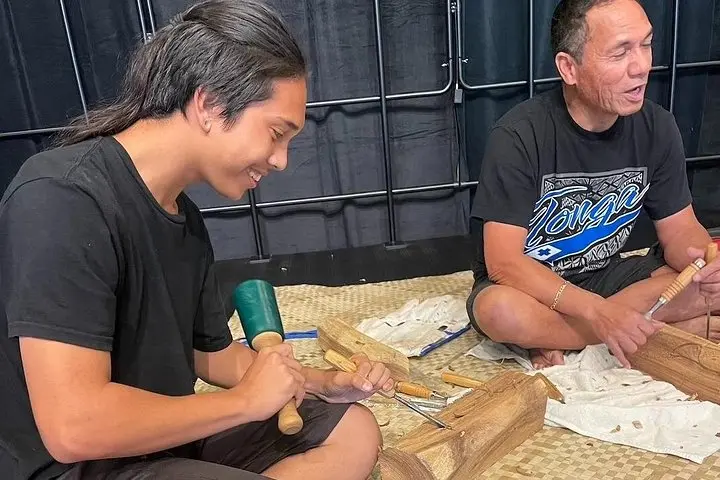
In practical terms the hour starts with a short talk-story about tools and motifs, then a live carving from raw block to finished piece. The demonstration shows how basic strokes create depth and how cultural symbols map onto everyday objects. Guests get a supervised chance to try carving on provided blanks; no experience required and the instructor guides safety and technique.
Arrive 15–20 minutes early to view the galleries and settle in. The center is wheelchair accessible and family-friendly, making this a good mid-day cultural stop between beaches and hikes. Bring a camera, wear closed-toe shoes if you plan to try the tools, and allow an hour in your schedule. Respect cultural context — ask about meaning before photographing carved ritual objects. Afterward, grab a local plate at the Queen Kaʻahumanu food court and watch how island stories translate from wood to daily life.
Frequently asked questions
Yes — the Queen Kaʻahumanu Center and the demonstration space are wheelchair accessible and seating is provided.
Yes — the session is all-ages and children can try supervised carving on provided blanks; parental supervision is recommended.
In most cases you take home the small piece you worked on; larger finished works shown by the carver are typically not given away.
Plan to arrive 15–20 minutes before the scheduled start to check in, view galleries, and secure seating.
About This Experience
Oni Foundation Inc - Wonderful World of Aloha Cultural Activity Center operates guided outdoor trips and adventures with an emphasis on safety, stewardship, and memorable experiences.
Adventure tips
Recommended gear
- Closed-toe shoes: Protects your feet during hands-on carving practice and in a busy mall environment.
- Small camera or phone: Capture step-by-step progress of the carving and gallery exhibits for later reference.
- Notebook and pen: Take notes on motifs and techniques the carver explains if you’re interested in learning further.
- Reusable water bottle: Stay hydrated between gallery viewing and other activities on warm Maui days.
Photos of the experience
Related adventures & guides
Read the full experience
You step off the bright mall concourse into a cooler room where the scent of fresh-cut wood and oil meets the hum of shoppers. On a raised workbench an experienced carver begins — mallet meets chisel, shavings curl like small islands falling to the floor. The space feels part studio, part classroom: intimate, focused, and quietly public.
You step off the bright mall concourse into a cooler room where the scent of fresh-cut wood and oil meets the hum of shoppers. On a raised workbench an experienced carver begins — mallet meets chisel, shavings curl like small islands falling to the floor. The space feels part studio, part classroom: intimate, focused, and quietly public.
The demonstration is framed by the Migrations Galleries: displays that trace the movement of peoples across the Pacific and the material culture they brought with them. Polynesian carving is both functional and symbolic — paddle blades, dance implements, and portraiture carry lineage and stories. The presenter ties technique to history, explaining how forms and tools adapted from voyaging life to island environments.
In practical terms the hour starts with a short talk-story about tools and motifs, then a live carving from raw block to finished piece. The demonstration shows how basic strokes create depth and how cultural symbols map onto everyday objects. Guests get a supervised chance to try carving on provided blanks; no experience required and the instructor guides safety and technique.
Arrive 15–20 minutes early to view the galleries and settle in. The center is wheelchair accessible and family-friendly, making this a good mid-day cultural stop between beaches and hikes. Bring a camera, wear closed-toe shoes if you plan to try the tools, and allow an hour in your schedule. Respect cultural context — ask about meaning before photographing carved ritual objects. Afterward, grab a local plate at the Queen Kaʻahumanu food court and watch how island stories translate from wood to daily life.
Make a day of it nearby.
Verified experiences and guided adventures in the surrounding area.