THE ADVENTURE COLLECTIVE® · Independent discovery and booking for outdoor travel

Walk under the largest carob forest on the planet, explore sun-baked pyramids and finish with dazzling Sican metalwork at the National Museum. This 4‑hour day tour from Chiclayo balances easy nature walks with archaeology for a compact cultural outing.
Walk under the largest carob forest on the planet, explore sun-baked pyramids and finish with dazzling Sican metalwork at the National Museum. This 4‑hour day tour from Chiclayo balances easy nature walks with archaeology for a compact cultural outing.
You arrive before the heat tightens, the bus easing off the coastal highway and into a wide, light-dappled grove of carob trees. Air smells of dry earth and resin; trunks twist, roots clutching pale soil as birds call from the canopy. The forest opens into low dunes and the silhouettes of dozens of adobe pyramids—silent, sunbaked shapes that once held a different kind of life.
Verified experiences and guided adventures in the surrounding area.
Operated by Tangol · Chiclayo, Lambayeque
You arrive before the heat tightens, the bus easing off the coastal highway and into a wide, light-dappled grove of carob trees. Air smells of dry earth and resin; trunks twist, roots clutching pale soil as birds call from the canopy. The forest opens into low dunes and the silhouettes of dozens of adobe pyramids—silent, sunbaked shapes that once held a different kind of life.
This day tour pairs the Bosque de Pomac Historic Sanctuary with the National Museum of Sican, moving from living dry forest to curated gold and ceramic displays. Geologically, the sanctuary sits on coastal terraces shaped by ancient rivers and wind-blown sands; its dominant tree, Prosopis (carob), stabilizes fragile soils and supports a desert-adapted ecosystem. Culturally, the site preserves the legacy of the Sican (Lambayeque) culture (c. 800–1300 AD), whose tombs and metalwork reveal complex funerary systems and long-distance trade.
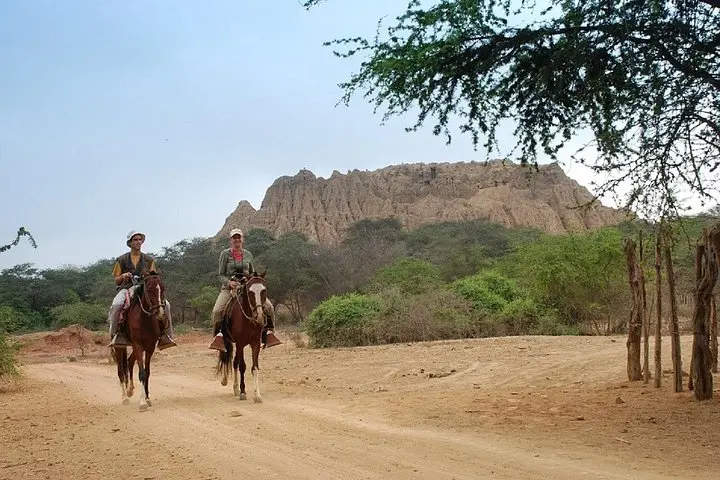
Expect a guided walk among interpretive clearing and pyramid clusters, followed by museum time to see reconstructed tombs and metallurgy. Practicalities: the tour lasts about four hours with hotel transfers from Chiclayo, gentle walking on packed dirt and occasional sand. Bring sun protection, steady footwear, water, and small bills for museum donations or snacks. Photography is welcome but respect signage at archaeological sites. Mornings are coolest and best for wildlife and softer light for photos; museum visits are a dry, climate-controlled contrast to the sanctuary’s open air. The experience is equal parts nature walk and archaeology primer—accessible, informative, and easily slotted into a northern Peru itinerary.
The tour runs about four hours, including hotel transfers, roughly 90 minutes at Pomac and about 60 minutes at the Sican Museum.
Yes—walking is gentle and the tour is rated easy, but children under 10 must be with two paying adults and infants should sit on laps for transport.
Yes, admission to the Pomac Historic Sanctuary and the National Museum of Sican is included in the tour price.
Bring sun protection, comfortable shoes, water, insect repellent and small cash for souvenirs or donations; note the museum is closed on Mondays.
Tangol operates guided outdoor trips and adventures with an emphasis on safety, stewardship, and memorable experiences.
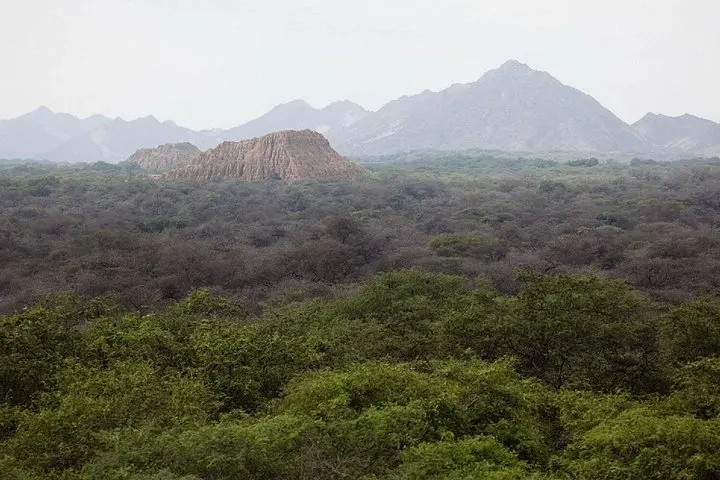
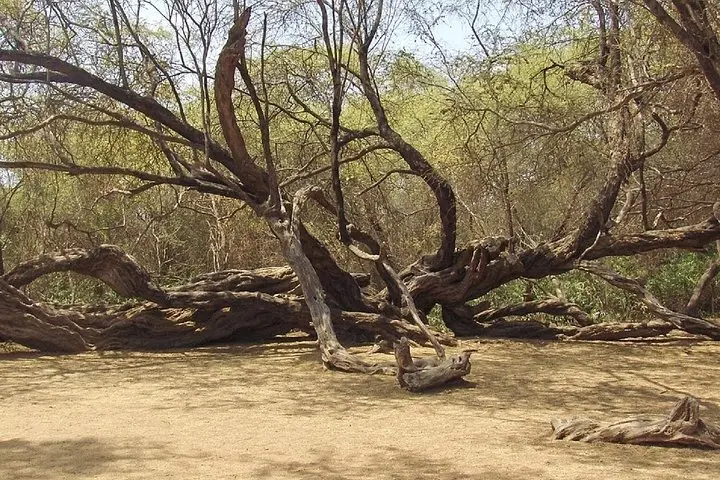
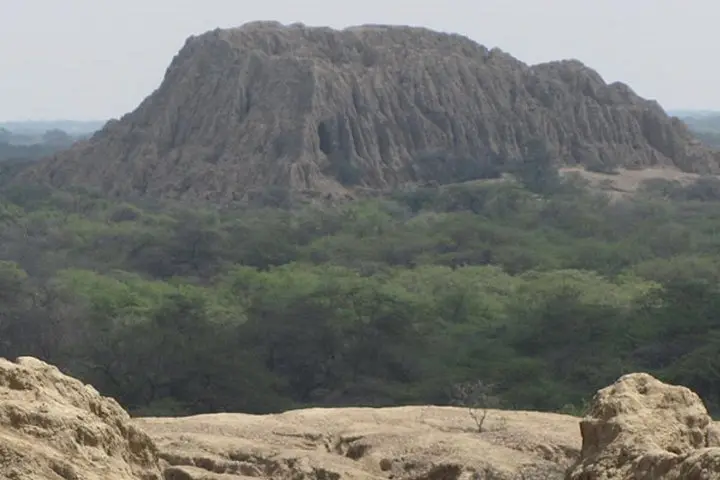
You arrive before the heat tightens, the bus easing off the coastal highway and into a wide, light-dappled grove of carob trees. Air smells of dry earth and resin; trunks twist, roots clutching pale soil as birds call from the canopy. The forest opens into low dunes and the silhouettes of dozens of adobe pyramids—silent, sunbaked shapes that once held a different kind of life.
You arrive before the heat tightens, the bus easing off the coastal highway and into a wide, light-dappled grove of carob trees. Air smells of dry earth and resin; trunks twist, roots clutching pale soil as birds call from the canopy. The forest opens into low dunes and the silhouettes of dozens of adobe pyramids—silent, sunbaked shapes that once held a different kind of life.
This day tour pairs the Bosque de Pomac Historic Sanctuary with the National Museum of Sican, moving from living dry forest to curated gold and ceramic displays. Geologically, the sanctuary sits on coastal terraces shaped by ancient rivers and wind-blown sands; its dominant tree, Prosopis (carob), stabilizes fragile soils and supports a desert-adapted ecosystem. Culturally, the site preserves the legacy of the Sican (Lambayeque) culture (c. 800–1300 AD), whose tombs and metalwork reveal complex funerary systems and long-distance trade.
Expect a guided walk among interpretive clearing and pyramid clusters, followed by museum time to see reconstructed tombs and metallurgy. Practicalities: the tour lasts about four hours with hotel transfers from Chiclayo, gentle walking on packed dirt and occasional sand. Bring sun protection, steady footwear, water, and small bills for museum donations or snacks. Photography is welcome but respect signage at archaeological sites. Mornings are coolest and best for wildlife and softer light for photos; museum visits are a dry, climate-controlled contrast to the sanctuary’s open air. The experience is equal parts nature walk and archaeology primer—accessible, informative, and easily slotted into a northern Peru itinerary.