THE ADVENTURE COLLECTIVE® · Independent discovery and booking for outdoor travel

See Pompeii’s streets frozen in 79 AD and hike to Vesuvius’s crater rim in one full day. This small-group, guided outing blends archaeology, volcanic geology and an optional local wine lunch for a compact cultural-adventure.
See Pompeii’s streets frozen in 79 AD and hike to Vesuvius’s crater rim in one full day. This small-group, guided outing blends archaeology, volcanic geology and an optional local wine lunch for a compact cultural-adventure.
You step from the shaded colonnades of Pompeii into a sunlit street where plaster casts and frescoed walls keep their silence.
The guide threads together household life, religion and abrupt disaster as you move between bakeries and villas, each stone still warm with human stories.
Verified experiences and guided adventures in the surrounding area.
Operated by TASTETHEXPERIENCE · Pompeii, Campania
You step from the shaded colonnades of Pompeii into a sunlit street where plaster casts and frescoed walls keep their silence.
The guide threads together household life, religion and abrupt disaster as you move between bakeries and villas, each stone still warm with human stories.
From the ruins, the day climbs to a different geology: Mount Vesuvius. The volcanic cone dominates the skyline, its gray slopes scarred by lava flows and scrub that reclaim the ash. The hike to the crater rim is a steady switchback across gravel and compacted volcanic sand—views open to the Bay of Naples and the jagged rim of Monte Somma.
This itinerary pairs cultural archaeology with active geology. Pompeii’s grid dates to the Romans before the 79 AD eruption preserved its urban fabric; Vesuvius is a stratovolcano whose eruptions shaped Campania’s fertile soils and vineyard culture. Local winemakers still coax unique varietals from the volcanic slope—an optional lunch and tasting takes advantage of soil and exposure.
Practical guide: expect a full 7–8 hour day with roughly two hours walking in Pompeii and a 45–90 minute ascent to the crater depending on pace. Terrain alternates between paved ancient streets and loose volcanic scree—sturdy footwear matters. Bring 1–2 liters of water, sun protection, and layers for wind near the summit. Start early to avoid peak heat and crowds, and respect site rules: no climbing on ruins and stay on marked trails. The combination makes for a compact but varied day of history, geology and regional flavor.
The trail from the parking area to the crater rim is typically 30–90 minutes one-way depending on pace and trail conditions; expect loose volcanic gravel on parts of the ascent.
Some main streets and highlights are level, but many areas have uneven surfaces and steps; check with the operator for specific accessibility accommodations.
This combined product is sold as a day experience; contact the provider directly about partial participation or alternative shorter options.
Wine tasting and lunch are shown as an optional upgrade—confirm availability and inclusion when booking or at check-in.
TASTETHEXPERIENCE operates guided outdoor trips and adventures with an emphasis on safety, stewardship, and memorable experiences.

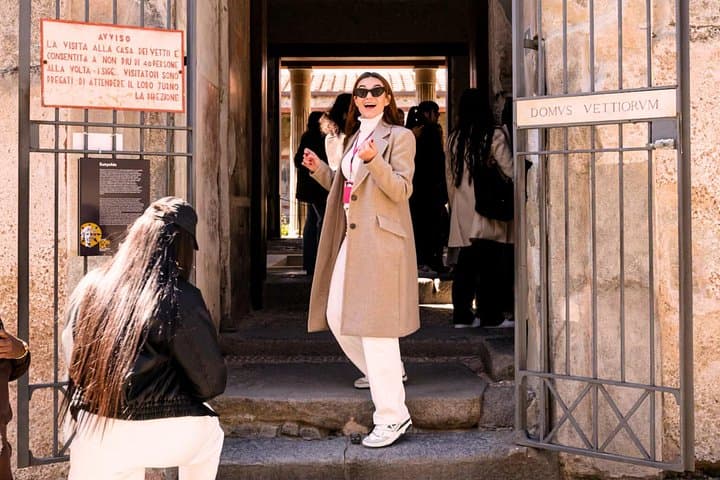

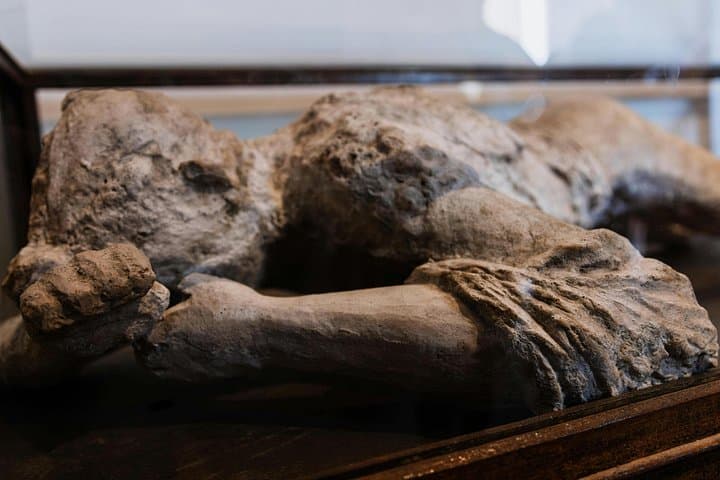
You step from the shaded colonnades of Pompeii into a sunlit street where plaster casts and frescoed walls keep their silence.
The guide threads together household life, religion and abrupt disaster as you move between bakeries and villas, each stone still warm with human stories.
You step from the shaded colonnades of Pompeii into a sunlit street where plaster casts and frescoed walls keep their silence.
The guide threads together household life, religion and abrupt disaster as you move between bakeries and villas, each stone still warm with human stories.
From the ruins, the day climbs to a different geology: Mount Vesuvius. The volcanic cone dominates the skyline, its gray slopes scarred by lava flows and scrub that reclaim the ash. The hike to the crater rim is a steady switchback across gravel and compacted volcanic sand—views open to the Bay of Naples and the jagged rim of Monte Somma.
This itinerary pairs cultural archaeology with active geology. Pompeii’s grid dates to the Romans before the 79 AD eruption preserved its urban fabric; Vesuvius is a stratovolcano whose eruptions shaped Campania’s fertile soils and vineyard culture. Local winemakers still coax unique varietals from the volcanic slope—an optional lunch and tasting takes advantage of soil and exposure.
Practical guide: expect a full 7–8 hour day with roughly two hours walking in Pompeii and a 45–90 minute ascent to the crater depending on pace. Terrain alternates between paved ancient streets and loose volcanic scree—sturdy footwear matters. Bring 1–2 liters of water, sun protection, and layers for wind near the summit. Start early to avoid peak heat and crowds, and respect site rules: no climbing on ruins and stay on marked trails. The combination makes for a compact but varied day of history, geology and regional flavor.