THE ADVENTURE COLLECTIVE® · Independent discovery and booking for outdoor travel

Skip the queues and spend a day exploring two remarkably preserved Roman towns with a private guide and hotel pickup from Rome. Expect uneven streets, volcanic history, and two hours each at Herculaneum and Pompeii.
Skip the queues and spend a day exploring two remarkably preserved Roman towns with a private guide and hotel pickup from Rome. Expect uneven streets, volcanic history, and two hours each at Herculaneum and Pompeii.
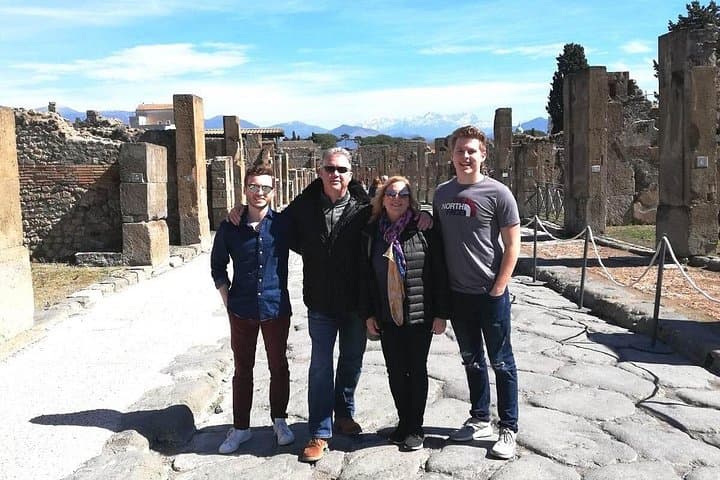
You step into sunlight on a coastal road and the volcanic cone of Vesuvius looms ahead, as if keeping watch over two frozen Roman towns. By midmorning your private minivan drops you at the gates; a local guide takes the lead and you move past ticket lines into streets that still hold the shape of everyday life from 79 AD.
Verified experiences and guided adventures in the surrounding area.
Operated by Tours of Pompeii with Lello & Co. · Pompeii, Campania
You step into sunlight on a coastal road and the volcanic cone of Vesuvius looms ahead, as if keeping watch over two frozen Roman towns. By midmorning your private minivan drops you at the gates; a local guide takes the lead and you move past ticket lines into streets that still hold the shape of everyday life from 79 AD.
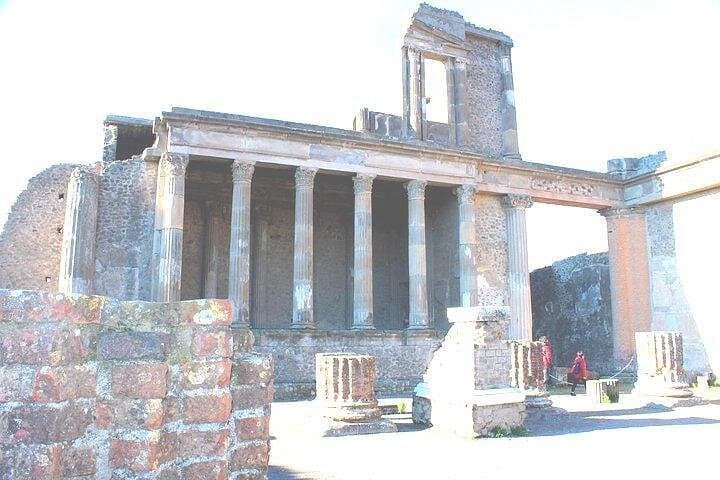
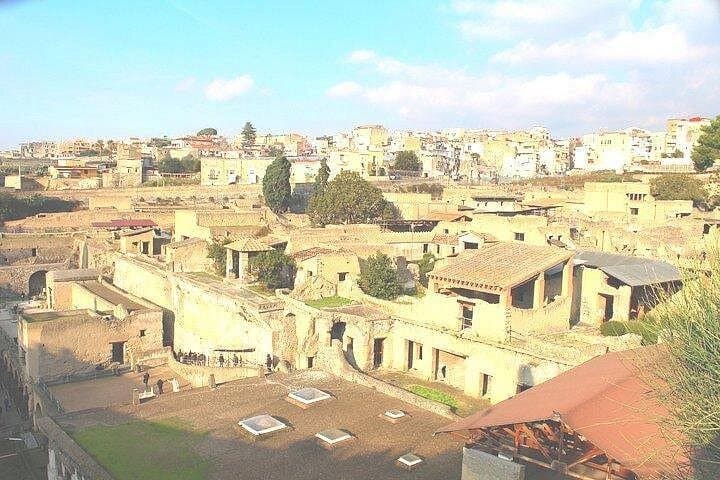
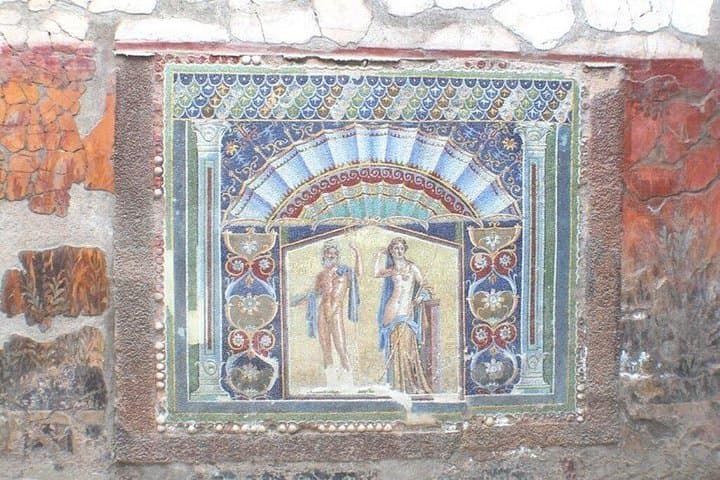
Herculaneum and Pompeii offer two different afterlives. Herculaneum’s compact wooden beams and preserved upper floors feel intimate — the city’s ash baked organic details into place — while Pompeii’s wider thoroughfares, baths, and frescoed homes reveal urban planning, commerce and the blunt force of pyroclastic flow. Geology is the plotline: Vesuvius’ eruption sealed rooms, preserved mosaics, and left plaster casts where people once stood. Culturally, these sites explain Roman routines — public baths, bakeries, and street-level shops — and the main artery, Via dell'Abbondanza, still directs the rhythm of movement.
Practically, expect roughly 10–11 hours total with hotel pickup from Rome around 7:30 a.m., two hours at Herculaneum and two at Pompeii plus transit and short stops. Terrain is uneven: cobbles, volcanic grit, shallow steps and sun-exposed plazas. Bring sturdy walking shoes, sun protection and at least a liter of water; restrooms and small cafes are available near visitor centers but can be busy. Accessibility is limited in places; ask about alternatives when booking. Move steadily, listen to your guide, and leave time to stand in a doorway where the past feels immediate — heat, stone and the distant silhouette of an active mountain conspiring to keep history audible.
The full day runs about 10–11 hours, with hotel pickup in Rome around 7:30 a.m. and return in the evening.
Yes—skip-the-line admission to both Pompeii and Herculaneum is included in the booking.
Children with moderate stamina do well, but people with limited mobility may encounter inaccessible areas; contact the operator to arrange alternatives.
Yes—both sites have visitor centers with restrooms and small cafés, but queues can form at peak times.
Tours of Pompeii with Lello & Co. operates guided outdoor trips and adventures with an emphasis on safety, stewardship, and memorable experiences.
You step into sunlight on a coastal road and the volcanic cone of Vesuvius looms ahead, as if keeping watch over two frozen Roman towns. By midmorning your private minivan drops you at the gates; a local guide takes the lead and you move past ticket lines into streets that still hold the shape of everyday life from 79 AD.
You step into sunlight on a coastal road and the volcanic cone of Vesuvius looms ahead, as if keeping watch over two frozen Roman towns. By midmorning your private minivan drops you at the gates; a local guide takes the lead and you move past ticket lines into streets that still hold the shape of everyday life from 79 AD.
Herculaneum and Pompeii offer two different afterlives. Herculaneum’s compact wooden beams and preserved upper floors feel intimate — the city’s ash baked organic details into place — while Pompeii’s wider thoroughfares, baths, and frescoed homes reveal urban planning, commerce and the blunt force of pyroclastic flow. Geology is the plotline: Vesuvius’ eruption sealed rooms, preserved mosaics, and left plaster casts where people once stood. Culturally, these sites explain Roman routines — public baths, bakeries, and street-level shops — and the main artery, Via dell'Abbondanza, still directs the rhythm of movement.
Practically, expect roughly 10–11 hours total with hotel pickup from Rome around 7:30 a.m., two hours at Herculaneum and two at Pompeii plus transit and short stops. Terrain is uneven: cobbles, volcanic grit, shallow steps and sun-exposed plazas. Bring sturdy walking shoes, sun protection and at least a liter of water; restrooms and small cafes are available near visitor centers but can be busy. Accessibility is limited in places; ask about alternatives when booking. Move steadily, listen to your guide, and leave time to stand in a doorway where the past feels immediate — heat, stone and the distant silhouette of an active mountain conspiring to keep history audible.