THE ADVENTURE COLLECTIVE® · Independent discovery and booking for outdoor travel

A single-day pairing of ancient Pompeii and a crater-side hike up Mount Vesuvius, this guided tour offers skip-the-line access and round-trip transport from Sorrento. Expect cobbled streets, vivid frescoes, and a brisk climb to sweeping views over the Gulf of Naples.
A single-day pairing of ancient Pompeii and a crater-side hike up Mount Vesuvius, this guided tour offers skip-the-line access and round-trip transport from Sorrento. Expect cobbled streets, vivid frescoes, and a brisk climb to sweeping views over the Gulf of Naples.
You step off the coach in Sorrento with the salt wind on your face and Vesuvius rising like an old, watchful neighbor across the bay. The day unfolds in two clear acts: first, an archaeological promenade through streets frozen by ash; later, a climb up volcanic scree to stand at the crater’s lip and look down into a raw, calcified throat.
Verified experiences and guided adventures in the surrounding area.
Operated by Vistra · Sorrento, Campania
You step off the coach in Sorrento with the salt wind on your face and Vesuvius rising like an old, watchful neighbor across the bay. The day unfolds in two clear acts: first, an archaeological promenade through streets frozen by ash; later, a climb up volcanic scree to stand at the crater’s lip and look down into a raw, calcified throat.
Pompeii’s ruins tell a blunt story—Roman life interrupted in 79 A.D.—with preserved villas, bakeries and the Forum offering a direct line to daily routines. Geologically, Vesuvius is a somma-stratovolcano; its layered deposits and hardened pumice explain both the fertility of the surrounding plain and the danger it once posed. Local culture still rotates around these forces: small towns grow lemons on volcanic soils and museums display artifacts salvaged from the eruption.
Practically, the tour pairs skip-the-line access at Pompeii with round-trip transport from Sorrento and a guided hike to the crater rim at roughly 1,280 meters. Expect uneven cobbles in Pompeii and loose, rocky trail higher up—sturdy shoes and steady legs matter. Guides provide context, safety notes, and pacing; the final ascent is short but can be steep and exposed. Bring sun protection, refillable water, layered clothing, and a camera with spare battery.
Timing: mornings avoid heat and crowds. Respect the park rules—stay on marked trails at Vesuvius and allow space for scientists monitoring the volcano. The payoff is immediate: views across the Bay of Naples that make the climb feel necessary rather than optional.
Meet in central Sorrento at the operator’s office; the tour runs about 8 hours with coach transfer, guided time in Pompeii, and the Vesuvius hike.
The trail to the crater rim is short (30–60 minutes) but can be steep and rocky—reasonable mobility and sturdy shoes are needed.
Yes—this tour includes entrance to Pompeii Archaeological Park, Vesuvius National Park access, and priority admission as stated in the inclusions.
Infants may ride in strollers at meeting points but the hike is not recommended for travelers with serious cardiovascular issues; follow the provider’s health advisories.
Vistra operates guided outdoor trips and adventures with an emphasis on safety, stewardship, and memorable experiences.
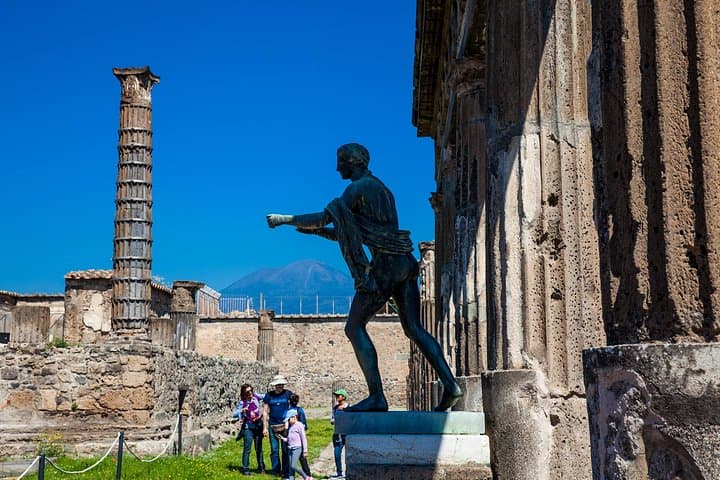


You step off the coach in Sorrento with the salt wind on your face and Vesuvius rising like an old, watchful neighbor across the bay. The day unfolds in two clear acts: first, an archaeological promenade through streets frozen by ash; later, a climb up volcanic scree to stand at the crater’s lip and look down into a raw, calcified throat.
You step off the coach in Sorrento with the salt wind on your face and Vesuvius rising like an old, watchful neighbor across the bay. The day unfolds in two clear acts: first, an archaeological promenade through streets frozen by ash; later, a climb up volcanic scree to stand at the crater’s lip and look down into a raw, calcified throat.
Pompeii’s ruins tell a blunt story—Roman life interrupted in 79 A.D.—with preserved villas, bakeries and the Forum offering a direct line to daily routines. Geologically, Vesuvius is a somma-stratovolcano; its layered deposits and hardened pumice explain both the fertility of the surrounding plain and the danger it once posed. Local culture still rotates around these forces: small towns grow lemons on volcanic soils and museums display artifacts salvaged from the eruption.
Practically, the tour pairs skip-the-line access at Pompeii with round-trip transport from Sorrento and a guided hike to the crater rim at roughly 1,280 meters. Expect uneven cobbles in Pompeii and loose, rocky trail higher up—sturdy shoes and steady legs matter. Guides provide context, safety notes, and pacing; the final ascent is short but can be steep and exposed. Bring sun protection, refillable water, layered clothing, and a camera with spare battery.
Timing: mornings avoid heat and crowds. Respect the park rules—stay on marked trails at Vesuvius and allow space for scientists monitoring the volcano. The payoff is immediate: views across the Bay of Naples that make the climb feel necessary rather than optional.