THE ADVENTURE COLLECTIVE® · Independent discovery and booking for outdoor travel

Walk the streets frozen by Vesuvius and see vivid mosaics, theaters and homes that reveal daily life in Roman Italy. This practical guide explains what to expect at Pompeii, how long to plan, and tips for getting the most from your visit.
Walk the streets frozen by Vesuvius and see vivid mosaics, theaters and homes that reveal daily life in Roman Italy. This practical guide explains what to expect at Pompeii, how long to plan, and tips for getting the most from your visit.
You step through a stone gateway and the road underfoot is the same basalt pavement Romans walked two millennia ago. The air smells of sun-baked tufa and dust; voices echo between collapsed porticoes as Mount Vesuvius watches from the skyline, a dark presence that both destroyed and preserved.
Verified experiences and guided adventures in the surrounding area.
Operated by Trip Knox Ltd · Pompeii, Campania
You step through a stone gateway and the road underfoot is the same basalt pavement Romans walked two millennia ago. The air smells of sun-baked tufa and dust; voices echo between collapsed porticoes as Mount Vesuvius watches from the skyline, a dark presence that both destroyed and preserved.
Pompeii’s grid of streets, baths, theaters and villas froze in 79 AD when ash and pumice buried the city. Archaeology here reads like a neighborhood diary—mosaics marking commerce, frescoed rooms speaking of family rituals, and plaster casts that capture final human poses. Geology is obvious: layers of tephra preserved organic detail and sealed delicate pigments. Culturally, Pompeii sits at the intersection of Roman urban life and modern tourism—local guides and multilingual audio options stitch context to what you see.
Practical guidance: allow 1–3 hours for a focused visit, longer if you want detailed study of the villas. Follow marked paths, wear closed shoes—the ground is uneven and can be hot in summer—and bring water and sun protection. Audio guides and printed maps are available; skip-the-line tickets cut wait times in high season. Accessibility is limited in parts: many streets have steps and uneven thresholds.
Expect close-up encounters with exposed frescoes and broad piazzas that once held markets and ceremonies. Move deliberately, read plaques, and give the ruins time: Pompeii rewards slow observation and basic preparation.
Options include skip-the-line entry; verify the ticket type at booking—instant mobile tickets are accepted at the entrance.
Plan 1–3 hours for a general visit; 3+ hours if you want to explore multiple villas and the Antiquarium museum.
Accessibility is limited—some areas have ramps, but many streets and sites have steps or uneven surfaces; contact the park for specific access details.
Small backpacks are allowed; eating is usually restricted to designated areas—carry snacks but eat outside sensitive archaeological zones.
Trip Knox Ltd operates guided outdoor trips and adventures with an emphasis on safety, stewardship, and memorable experiences.
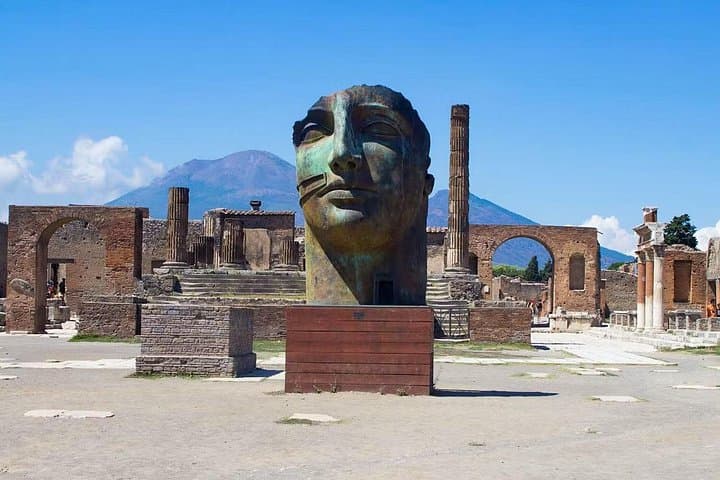
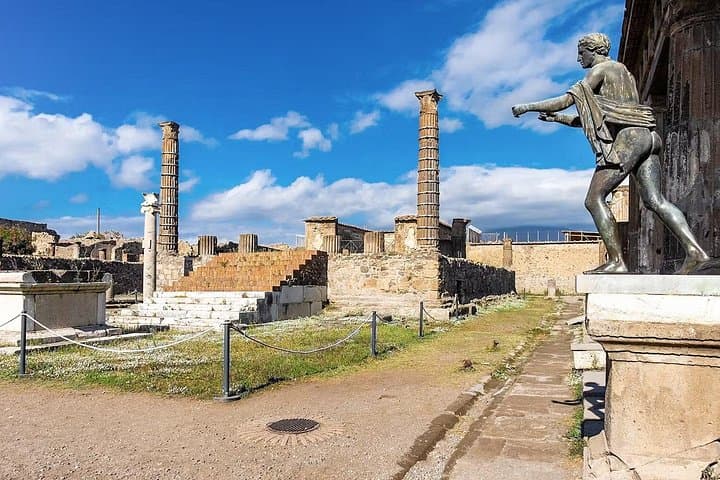
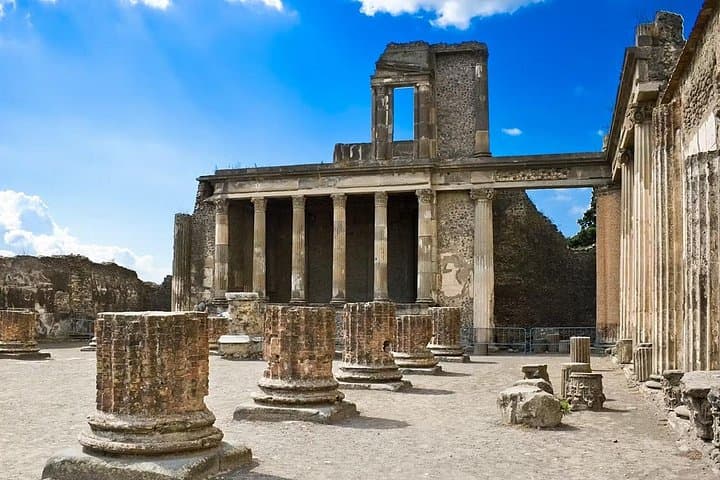
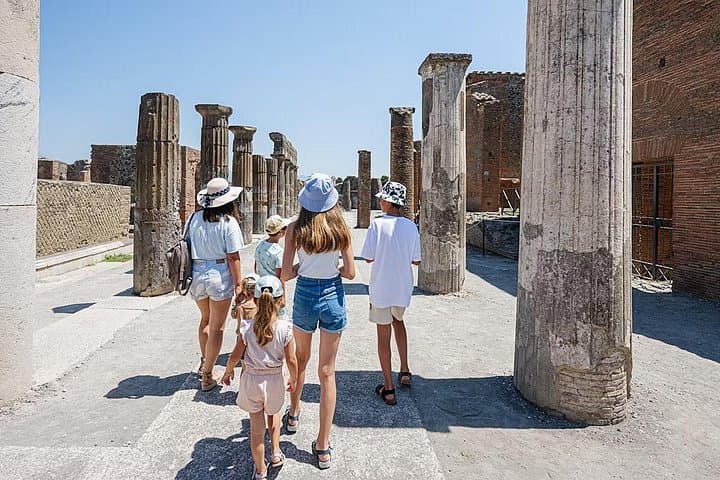
You step through a stone gateway and the road underfoot is the same basalt pavement Romans walked two millennia ago. The air smells of sun-baked tufa and dust; voices echo between collapsed porticoes as Mount Vesuvius watches from the skyline, a dark presence that both destroyed and preserved.
You step through a stone gateway and the road underfoot is the same basalt pavement Romans walked two millennia ago. The air smells of sun-baked tufa and dust; voices echo between collapsed porticoes as Mount Vesuvius watches from the skyline, a dark presence that both destroyed and preserved.
Pompeii’s grid of streets, baths, theaters and villas froze in 79 AD when ash and pumice buried the city. Archaeology here reads like a neighborhood diary—mosaics marking commerce, frescoed rooms speaking of family rituals, and plaster casts that capture final human poses. Geology is obvious: layers of tephra preserved organic detail and sealed delicate pigments. Culturally, Pompeii sits at the intersection of Roman urban life and modern tourism—local guides and multilingual audio options stitch context to what you see.
Practical guidance: allow 1–3 hours for a focused visit, longer if you want detailed study of the villas. Follow marked paths, wear closed shoes—the ground is uneven and can be hot in summer—and bring water and sun protection. Audio guides and printed maps are available; skip-the-line tickets cut wait times in high season. Accessibility is limited in parts: many streets have steps and uneven thresholds.
Expect close-up encounters with exposed frescoes and broad piazzas that once held markets and ceremonies. Move deliberately, read plaques, and give the ruins time: Pompeii rewards slow observation and basic preparation.