THE ADVENTURE COLLECTIVE® · Independent discovery and booking for outdoor travel

Walk Ponce’s historic core in a short, interpretive tour that highlights Parque de Bombas, the cathedral and local murals. Perfect for first-time visitors who want history, architecture and local color in under an hour.
Walk Ponce’s historic core in a short, interpretive tour that highlights Parque de Bombas, the cathedral and local murals. Perfect for first-time visitors who want history, architecture and local color in under an hour.
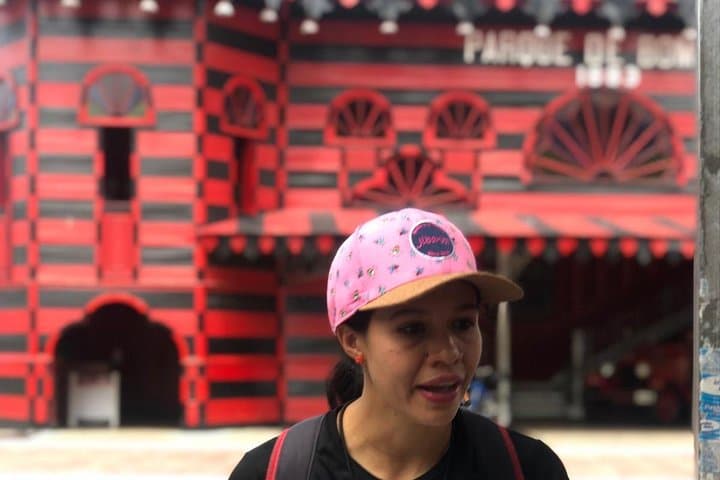
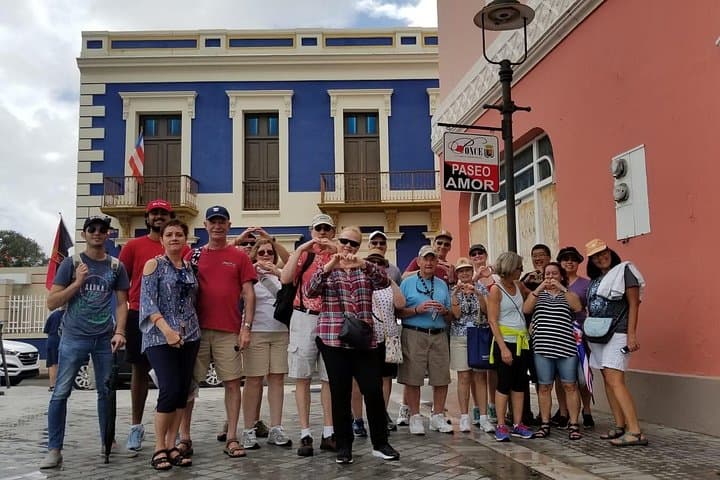
You step off a sun-warmed curb into Parque de Bombas, where painted wood and old brass seem to hold conversations with passing tourists. A Caribbean breeze dares you to slow down; vendors' calls and the distant rumble of city life set the rhythm as the guide leads the group past the firehouse, cathedral and painted facades.
Verified experiences and guided adventures in the surrounding area.
Operated by Isla Caribe · Ponce, Puerto Rico
You step off a sun-warmed curb into Parque de Bombas, where painted wood and old brass seem to hold conversations with passing tourists. A Caribbean breeze dares you to slow down; vendors' calls and the distant rumble of city life set the rhythm as the guide leads the group past the firehouse, cathedral and painted facades.
Ponce grew into Puerto Rico's southern commercial heart during the 19th century; its streets keep chapters of that past in brick, murals and civic buildings. Geologically, the city sits on the low coastal plain before the island's central mountains — the terrain is flat, the soil influenced by nearby rivers that once fueled local agriculture and trade. Culturally, expect stories about the city's industrial boom, the role of sugar and rum, and the civic pride behind landmarks like Parque de Bombas and the historic church plazas.
Practical guidance: tours run roughly 30–45 minutes, moving at an easy pace with several short stops for interpretation and photos. The route covers paved sidewalks and building interiors in some stops; it's wheelchair- and stroller-accessible but requires standing for short periods. Carry water, sun protection, and comfortable shoes — afternoon heat is real, and shade is patchy. Small-group sizes make questions welcome; tipping is customary for knowledgeable local guides.
This is a compact cultural walk that trades elevation for layered history and approachable architecture. It’s a good first stop in Ponce — brief, informative, and concentrated enough to spark deeper exploration of the city's museums, markets and murals afterward.
The tour typically lasts 30–45 minutes depending on group size and the guide’s pace.
Yes — the route and many stops are accessible, though guests should be able to stand briefly; check specific needs when booking.
This walking tour focuses on public plazas, exteriors and interior historical talks; museum admissions are not included unless explicitly stated.
Shared tours are kept small (around 12 people) to maintain an intimate, informative experience.
Isla Caribe operates guided outdoor trips and adventures with an emphasis on safety, stewardship, and memorable experiences.
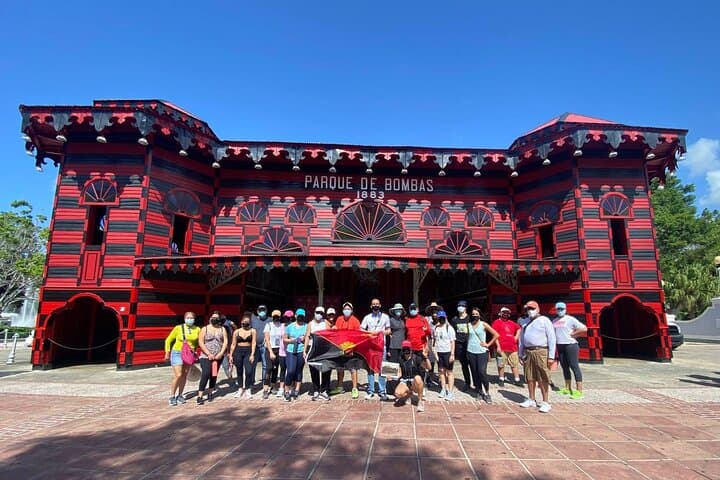

You step off a sun-warmed curb into Parque de Bombas, where painted wood and old brass seem to hold conversations with passing tourists. A Caribbean breeze dares you to slow down; vendors' calls and the distant rumble of city life set the rhythm as the guide leads the group past the firehouse, cathedral and painted facades.
You step off a sun-warmed curb into Parque de Bombas, where painted wood and old brass seem to hold conversations with passing tourists. A Caribbean breeze dares you to slow down; vendors' calls and the distant rumble of city life set the rhythm as the guide leads the group past the firehouse, cathedral and painted facades.
Ponce grew into Puerto Rico's southern commercial heart during the 19th century; its streets keep chapters of that past in brick, murals and civic buildings. Geologically, the city sits on the low coastal plain before the island's central mountains — the terrain is flat, the soil influenced by nearby rivers that once fueled local agriculture and trade. Culturally, expect stories about the city's industrial boom, the role of sugar and rum, and the civic pride behind landmarks like Parque de Bombas and the historic church plazas.
Practical guidance: tours run roughly 30–45 minutes, moving at an easy pace with several short stops for interpretation and photos. The route covers paved sidewalks and building interiors in some stops; it's wheelchair- and stroller-accessible but requires standing for short periods. Carry water, sun protection, and comfortable shoes — afternoon heat is real, and shade is patchy. Small-group sizes make questions welcome; tipping is customary for knowledgeable local guides.
This is a compact cultural walk that trades elevation for layered history and approachable architecture. It’s a good first stop in Ponce — brief, informative, and concentrated enough to spark deeper exploration of the city's museums, markets and murals afterward.