THE ADVENTURE COLLECTIVE® · Independent discovery and booking for outdoor travel

Trace the arches of one of Rome's greatest aqueducts on an 8 km guided loop around Pont du Gard. Expect limestone trails, riverside picnic stops, optional swimming, and a deep dose of Roman history.
Trace the arches of one of Rome's greatest aqueducts on an 8 km guided loop around Pont du Gard. Expect limestone trails, riverside picnic stops, optional swimming, and a deep dose of Roman history.
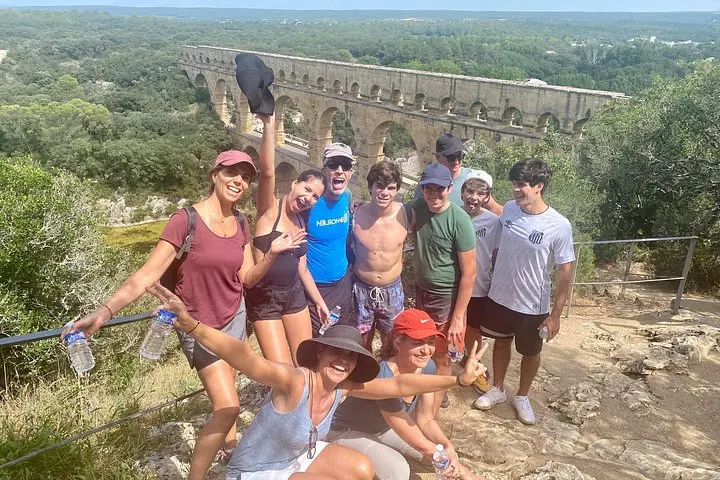
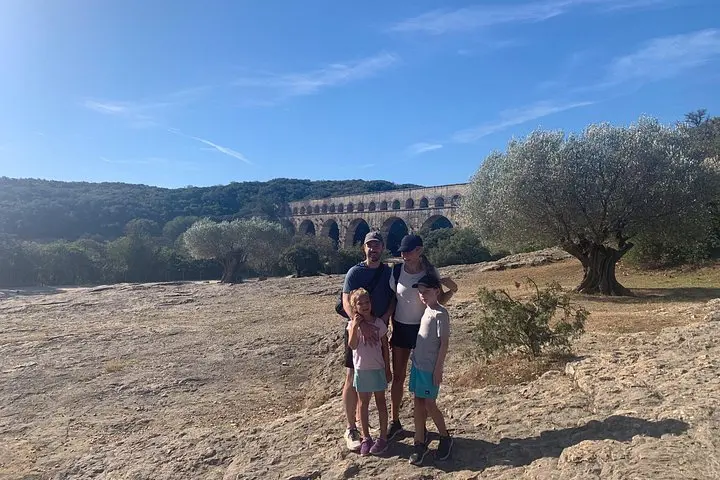
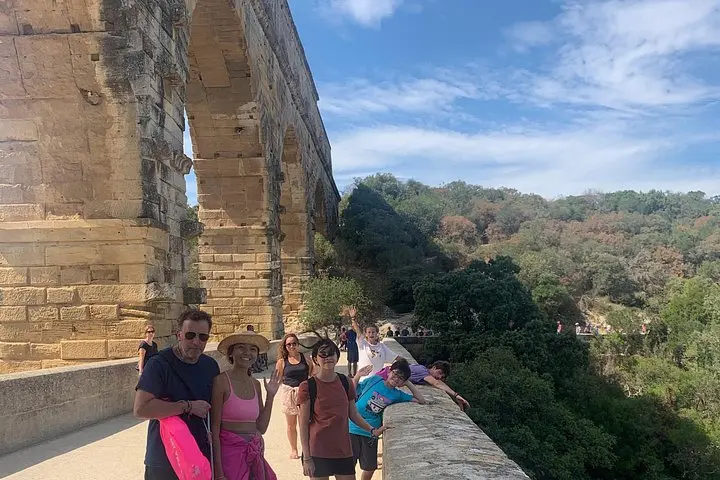
Morning light cuts across the pale limestone of the Pont du Gard as you approach along the Gardon, the arches throwing long, cool shadows onto the river.
Verified experiences and guided adventures in the surrounding area.
Operated by Hike Provence · Vers-Pont-du-Gard, Gard
Morning light cuts across the pale limestone of the Pont du Gard as you approach along the Gardon, the arches throwing long, cool shadows onto the river.
This private four‑hour walk traces roughly 8 km of riverside and terraces below the highest surviving Roman aqueduct bridge. The guide points out tool marks on the stone, the seams where blocks once fit, and the routes Romans used to carry water to Nîmes. Geologically, the region is rich in Jurassic limestone; the pale, hard rock gives the bridge its clean, angular lines and the river its pocket beaches.
Culturally the site sits between small Provençal villages and vineyards; local herbs and seasonal fruit still scent the paths. You may imagine a centurion pacing a service route, but also spot modern rowers slipping beneath the oldest arches.
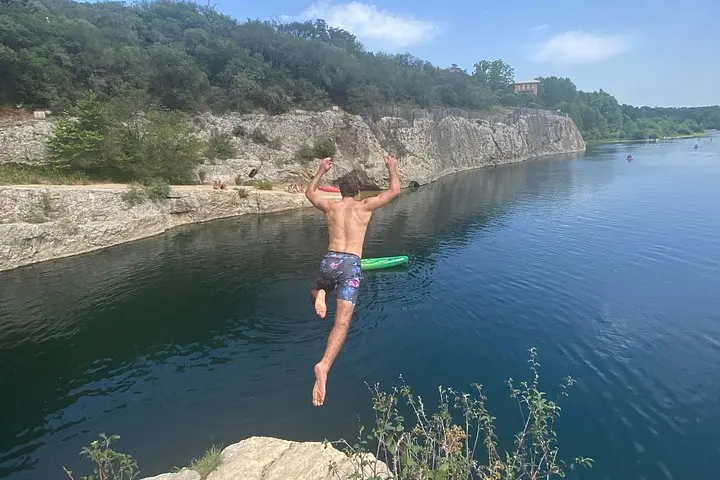
Practically: expect uneven limestone paths, exposed sun on southern slopes, and short, steep sections near riverbanks. The tour includes a picnic by the water and optional paddling or a quick swim when conditions allow. The pace is moderate — plan for about four hours total depending on swimming time.
Bring sturdy footwear, sun protection, and a refillable water bottle; a walking stick is available on request. Because this is a protected UNESCO area, respect marked paths and the fragile river ecology. Morning or late‑afternoon departures reduce heat and crowds—ideal for photography and cooler river stops.
The route is about 8 km and lasts roughly four hours; it is classed moderate with uneven limestone paths and short elevation changes.
Yes—swimming or paddling is sometimes part of the tour when river conditions and safety permit; follow your guide's instructions.
The walk is suitable for stable children who can manage uneven terrain; service animals are allowed but pets should be checked with the operator ahead of booking.
This is a private, guided activity that requires booking and manual confirmation; reserve ahead to secure preferred times and picnic arrangements.
Hike Provence operates guided outdoor trips and adventures with an emphasis on safety, stewardship, and memorable experiences.
Morning light cuts across the pale limestone of the Pont du Gard as you approach along the Gardon, the arches throwing long, cool shadows onto the river.
Morning light cuts across the pale limestone of the Pont du Gard as you approach along the Gardon, the arches throwing long, cool shadows onto the river.
This private four‑hour walk traces roughly 8 km of riverside and terraces below the highest surviving Roman aqueduct bridge. The guide points out tool marks on the stone, the seams where blocks once fit, and the routes Romans used to carry water to Nîmes. Geologically, the region is rich in Jurassic limestone; the pale, hard rock gives the bridge its clean, angular lines and the river its pocket beaches.
Culturally the site sits between small Provençal villages and vineyards; local herbs and seasonal fruit still scent the paths. You may imagine a centurion pacing a service route, but also spot modern rowers slipping beneath the oldest arches.
Practically: expect uneven limestone paths, exposed sun on southern slopes, and short, steep sections near riverbanks. The tour includes a picnic by the water and optional paddling or a quick swim when conditions allow. The pace is moderate — plan for about four hours total depending on swimming time.
Bring sturdy footwear, sun protection, and a refillable water bottle; a walking stick is available on request. Because this is a protected UNESCO area, respect marked paths and the fragile river ecology. Morning or late‑afternoon departures reduce heat and crowds—ideal for photography and cooler river stops.