THE ADVENTURE COLLECTIVE® · Independent discovery and booking for outdoor travel

A private 6-day trek from Pokhara to Poon Hill that climbs through traditional Gurung and Magar villages, rhododendron forests and stone steps to a sunrise viewpoint over the Annapurna range. Expect lodge nights, moderate days of hiking, and dramatic mountain panoramas.
A private 6-day trek from Pokhara to Poon Hill that climbs through traditional Gurung and Magar villages, rhododendron forests and stone steps to a sunrise viewpoint over the Annapurna range. Expect lodge nights, moderate days of hiking, and dramatic mountain panoramas.
Dawn arrives in shards of gold across the Annapurna massif as you climb the last rhododendron-lined switchbacks toward Poon Hill. Cold air pushes at your face; the peaks answer by catching the first light. Small stone lodges smoke gently downslope and villagers begin their routines — a quietly lived-in world between Pokhara and the high ridgelines.
Verified experiences and guided adventures in the surrounding area.
Operated by EncountersNepal.com · Ghorepani, Gandaki Province
Dawn arrives in shards of gold across the Annapurna massif as you climb the last rhododendron-lined switchbacks toward Poon Hill. Cold air pushes at your face; the peaks answer by catching the first light. Small stone lodges smoke gently downslope and villagers begin their routines — a quietly lived-in world between Pokhara and the high ridgelines.
This six-day private trek follows sections of the old Trans-Himalaya salt trade route, tracing Modi River’s valley and passing Gurung and Magar villages where Buddhist and Hindu traditions meet. Geologically the route skirts the southern flanks of the Annapurna range, where glacial runoff has carved terraces and waterfalls and where trails alternate from terraced farmland to oak-pine forest and, finally, alpine scrub.
Expect a steady rhythm of walking days: a short drive from Kathmandu to Pokhara, a transfer to Tikhedhunga (1,577 m), a climb past Ulleri’s stone steps to Ghorepani (≈2,855 m), and an early-morning ascent to Poon Hill (≈3,210 m) for sunrise panoramas that include Annapurna I, Dhaulagiri and Machhapuchhre. Terrain is mixed — village paths, stone staircases, forested singletrack — with daily hiking of 3–6 hours and lodge accommodation each night.
Practical notes: acclimatize by pacing your ascent, carry layered clothing for sharp temperature swings, use sturdy boots and trekking poles for stone steps, and aim for a pre-dawn summit from Ghorepani to catch the clearest light. Permits and park fees are included in many organized treks, but always confirm with your operator. Respect local customs, pack out waste where possible, and be prepared to trade a little speed for better views and safer acclimatization.
Trek routes in the Annapurna region require a TIMS card and Annapurna Conservation Area permit; many guided tours include these fees.
The route is moderate — no technical climbing — but requires multiple days of uphill walking; novices with good fitness can complete it with a guide and proper pacing.
Fall (Sept–Nov) and spring (Mar–May) offer the clearest views and stable weather; monsoon season brings heavy rain and limited visibility.
Many private tours include lodge accommodation and meals (breakfast, lunch, dinner); confirm specifics before booking.
EncountersNepal.com operates guided outdoor trips and adventures with an emphasis on safety, stewardship, and memorable experiences.
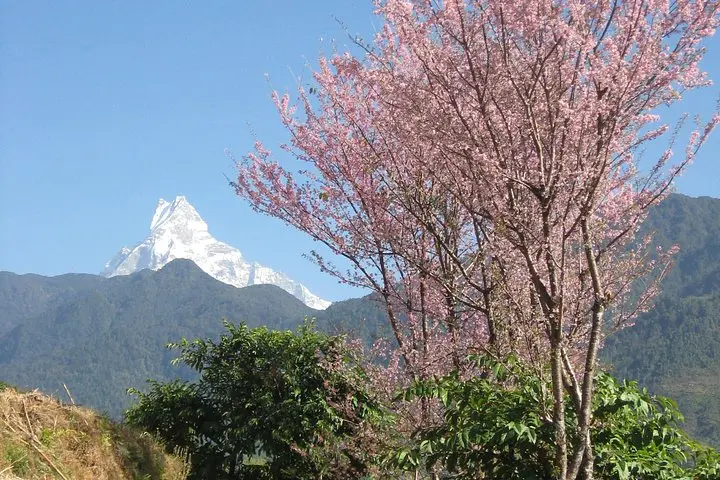
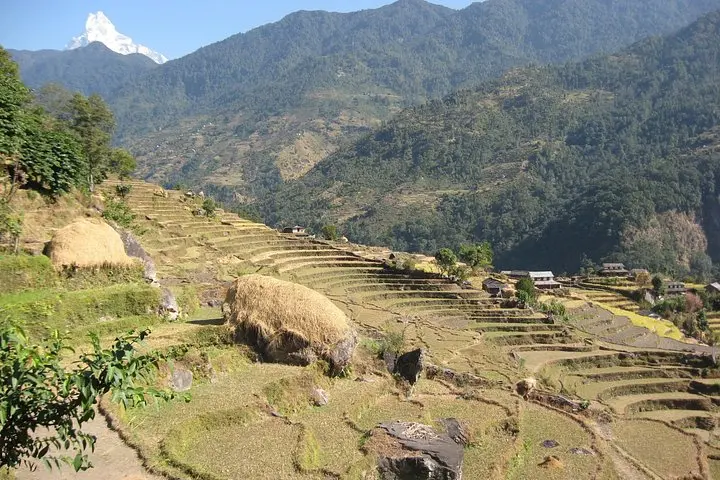
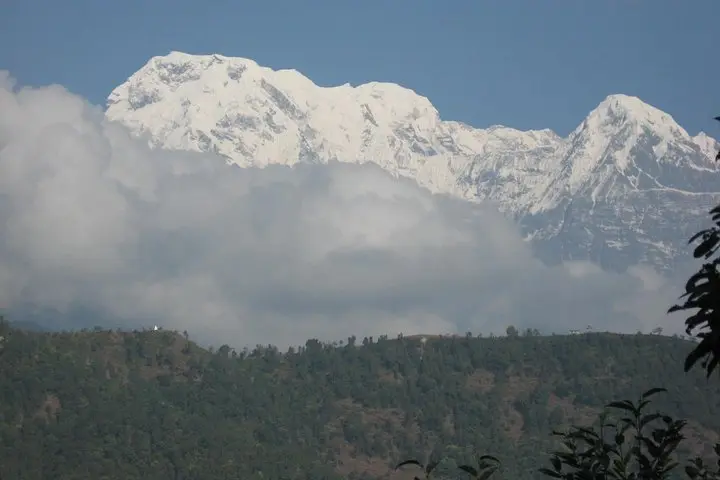
Dawn arrives in shards of gold across the Annapurna massif as you climb the last rhododendron-lined switchbacks toward Poon Hill. Cold air pushes at your face; the peaks answer by catching the first light. Small stone lodges smoke gently downslope and villagers begin their routines — a quietly lived-in world between Pokhara and the high ridgelines.
Dawn arrives in shards of gold across the Annapurna massif as you climb the last rhododendron-lined switchbacks toward Poon Hill. Cold air pushes at your face; the peaks answer by catching the first light. Small stone lodges smoke gently downslope and villagers begin their routines — a quietly lived-in world between Pokhara and the high ridgelines.
This six-day private trek follows sections of the old Trans-Himalaya salt trade route, tracing Modi River’s valley and passing Gurung and Magar villages where Buddhist and Hindu traditions meet. Geologically the route skirts the southern flanks of the Annapurna range, where glacial runoff has carved terraces and waterfalls and where trails alternate from terraced farmland to oak-pine forest and, finally, alpine scrub.
Expect a steady rhythm of walking days: a short drive from Kathmandu to Pokhara, a transfer to Tikhedhunga (1,577 m), a climb past Ulleri’s stone steps to Ghorepani (≈2,855 m), and an early-morning ascent to Poon Hill (≈3,210 m) for sunrise panoramas that include Annapurna I, Dhaulagiri and Machhapuchhre. Terrain is mixed — village paths, stone staircases, forested singletrack — with daily hiking of 3–6 hours and lodge accommodation each night.
Practical notes: acclimatize by pacing your ascent, carry layered clothing for sharp temperature swings, use sturdy boots and trekking poles for stone steps, and aim for a pre-dawn summit from Ghorepani to catch the clearest light. Permits and park fees are included in many organized treks, but always confirm with your operator. Respect local customs, pack out waste where possible, and be prepared to trade a little speed for better views and safer acclimatization.