THE ADVENTURE COLLECTIVE® · Independent discovery and booking for outdoor travel

Short on time but hungry for Himalayan panoramas? The Ghorepani–Poon Hill trek delivers sunrise views of Annapurna and Dhaulagiri across a compact, tea-house-supported route. Expect rhododendron forests, steady stone steps, and an authentic mountain-village experience.
Short on time but hungry for Himalayan panoramas? The Ghorepani–Poon Hill trek delivers sunrise views of Annapurna and Dhaulagiri across a compact, tea-house-supported route. Expect rhododendron forests, steady stone steps, and an authentic mountain-village experience.
Dawn on Poon Hill arrives cold and precise: headlamps wink off as a pale line of trekkers climbs the stone steps, and suddenly the Annapurna massif throws open its curtains—Dhaulagiri, Annapurna South and Fishtail sharpen against a sky that shifts from indigo to gold.
Verified experiences and guided adventures in the surrounding area.
Operated by Hiking Adventure Treks · Ghorepani, Gandaki Province
Dawn on Poon Hill arrives cold and precise: headlamps wink off as a pale line of trekkers climbs the stone steps, and suddenly the Annapurna massif throws open its curtains—Dhaulagiri, Annapurna South and Fishtail sharpen against a sky that shifts from indigo to gold.
The Ghorepani–Poon Hill route is an accessible mini-trek through mid-elevation rhododendron forests and terraced farmland. Historically this route linked Gurung and Magar villages to higher pastures and trade paths into central Nepal; the villages around Ghorepani still preserve traditional stone houses and morning prayer flags. Geologically, the trail rides the southern foothills of the Greater Himalaya, where steep river-cut valleys and layered metamorphic rocks carve dramatic ridgelines.
Culturally, expect tea-house hospitality—simple dal bhat, hot tea, and local stories exchanged beside wood stoves. The real payoff is the alpine perspective: close-up glacier faces and layered summits that feel within reach, while ridgelines and forested amphitheaters push and pull you along the trail.
Practical guidance: plan early mornings for Poon Hill to beat crowds and afternoon weather; hikes are moderate but include sustained uphill on stone steps and loose trail. Hydrate, layer for brisk mornings, and carry cash—tea-houses and lodges outside Pokhara accept little else. Weather shifts quickly at elevation; aim for spring (rhododendron bloom) or autumn (clear views) for the most reliable visibility.
The trek is compact, doable in about six days with night stops in Ghorepani and Ghandruk, and offers an efficient introduction to Annapurna’s mountains and mountain culture.
Typical itineraries run 4–6 days depending on start point and pace; most travelers allot six days to include arrival and comfortable daily distances.
TIMS and Annapurna Conservation Area permit are required for the region; guided or porter-supported treks are recommended if you prefer logistical support.
Autumn (Sept–Nov) and spring (Mar–May) offer the clearest mountain views and stable weather; monsoon brings heavy rain and limited visibility.
Yes—tea-houses in Nayapul, Ghorepani, and Ghandruk provide basic dormitories and meals like dal bhat and tea; bookings are usually not necessary off-season.
Hiking Adventure Treks operates guided outdoor trips and adventures with an emphasis on safety, stewardship, and memorable experiences.
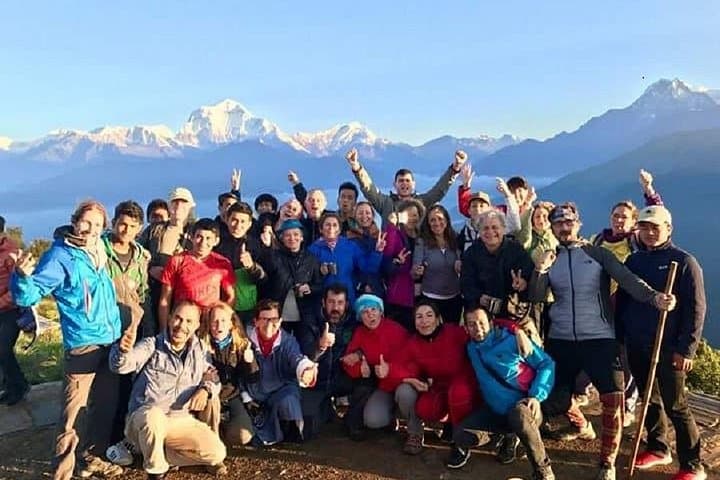
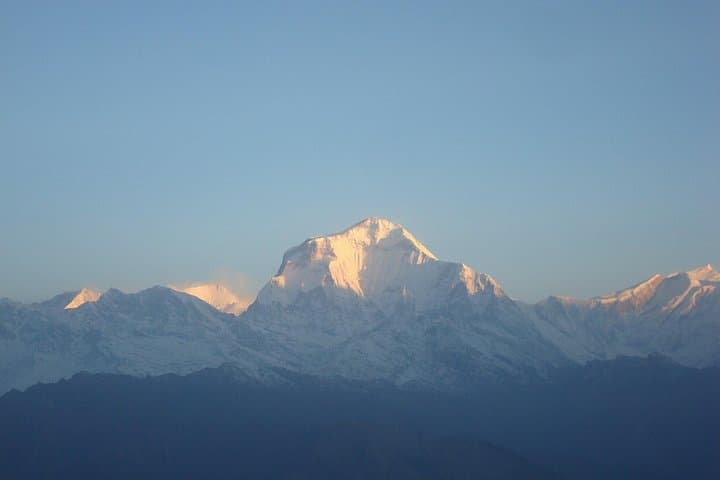
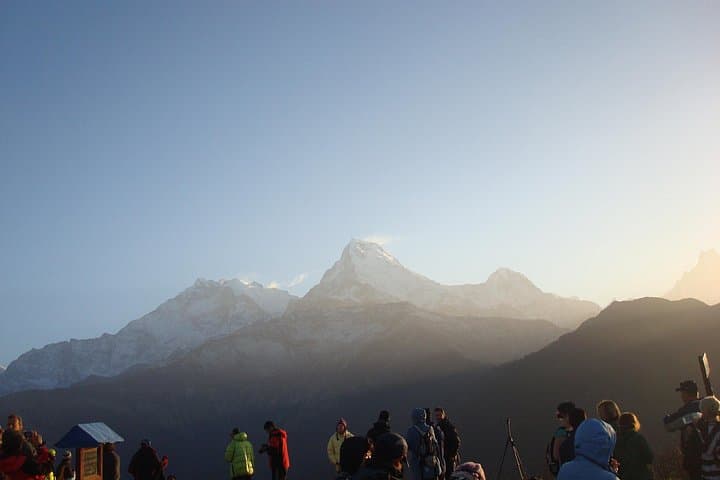
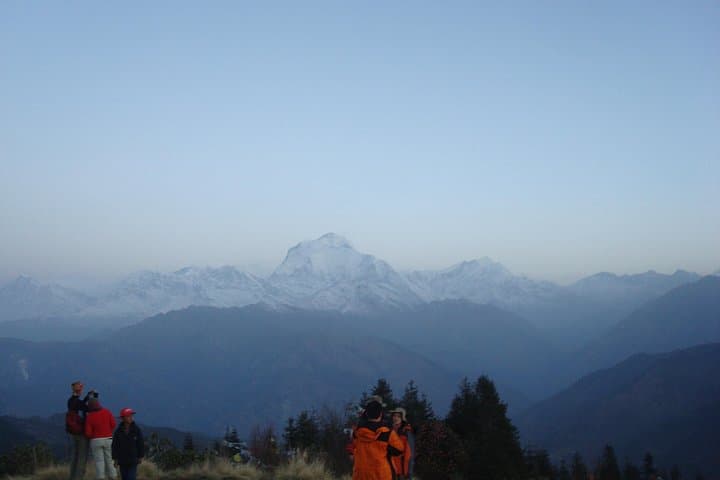
Dawn on Poon Hill arrives cold and precise: headlamps wink off as a pale line of trekkers climbs the stone steps, and suddenly the Annapurna massif throws open its curtains—Dhaulagiri, Annapurna South and Fishtail sharpen against a sky that shifts from indigo to gold.
Dawn on Poon Hill arrives cold and precise: headlamps wink off as a pale line of trekkers climbs the stone steps, and suddenly the Annapurna massif throws open its curtains—Dhaulagiri, Annapurna South and Fishtail sharpen against a sky that shifts from indigo to gold.
The Ghorepani–Poon Hill route is an accessible mini-trek through mid-elevation rhododendron forests and terraced farmland. Historically this route linked Gurung and Magar villages to higher pastures and trade paths into central Nepal; the villages around Ghorepani still preserve traditional stone houses and morning prayer flags. Geologically, the trail rides the southern foothills of the Greater Himalaya, where steep river-cut valleys and layered metamorphic rocks carve dramatic ridgelines.
Culturally, expect tea-house hospitality—simple dal bhat, hot tea, and local stories exchanged beside wood stoves. The real payoff is the alpine perspective: close-up glacier faces and layered summits that feel within reach, while ridgelines and forested amphitheaters push and pull you along the trail.
Practical guidance: plan early mornings for Poon Hill to beat crowds and afternoon weather; hikes are moderate but include sustained uphill on stone steps and loose trail. Hydrate, layer for brisk mornings, and carry cash—tea-houses and lodges outside Pokhara accept little else. Weather shifts quickly at elevation; aim for spring (rhododendron bloom) or autumn (clear views) for the most reliable visibility.
The trek is compact, doable in about six days with night stops in Ghorepani and Ghandruk, and offers an efficient introduction to Annapurna’s mountains and mountain culture.