THE ADVENTURE COLLECTIVE® · Independent discovery and booking for outdoor travel

Combine Poon Hill’s famous sunrise with the quieter, high-altitude approach to Mardi Himal Base Camp on this 8-day trek from Pokhara. Expect rhododendron forests, stone teahouses and dramatic Annapurna views.
Combine Poon Hill’s famous sunrise with the quieter, high-altitude approach to Mardi Himal Base Camp on this 8-day trek from Pokhara. Expect rhododendron forests, stone teahouses and dramatic Annapurna views.
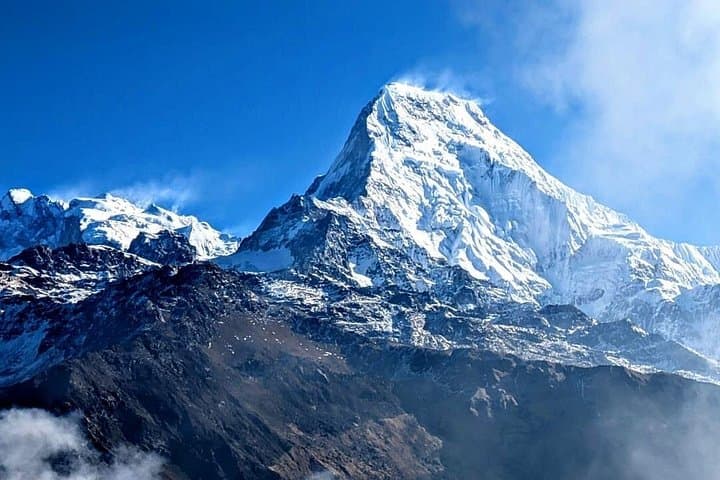
You wake before dawn and hike up the stone steps in the dark, headlamp cutting a thin path through rhododendron trunks. By the time the sky lightens, a ring of giants—Annapurna, Dhaulagiri and the sharp ridge of Machapuchare—flare gold as the sun spills across serrated snowfields. That is Poon Hill: immediate, cinematic and a compact reminder of how quickly the Himalaya can redefine scale.
Verified experiences and guided adventures in the surrounding area.
Operated by CAN Travels · Pokhara, Gandaki Province
You wake before dawn and hike up the stone steps in the dark, headlamp cutting a thin path through rhododendron trunks. By the time the sky lightens, a ring of giants—Annapurna, Dhaulagiri and the sharp ridge of Machapuchare—flare gold as the sun spills across serrated snowfields. That is Poon Hill: immediate, cinematic and a compact reminder of how quickly the Himalaya can redefine scale.
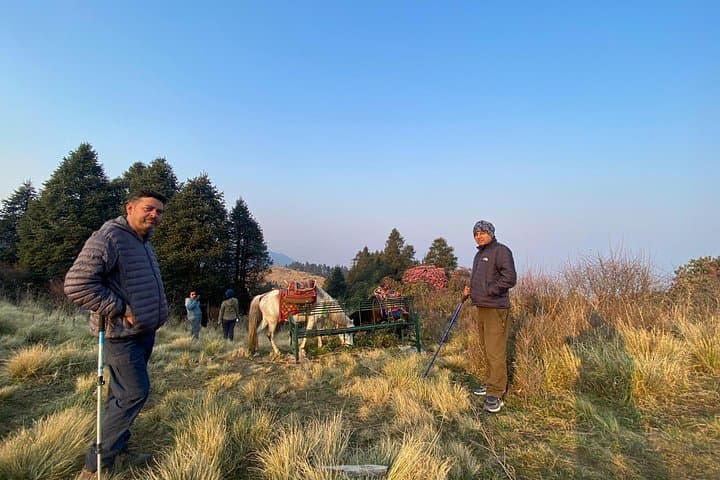
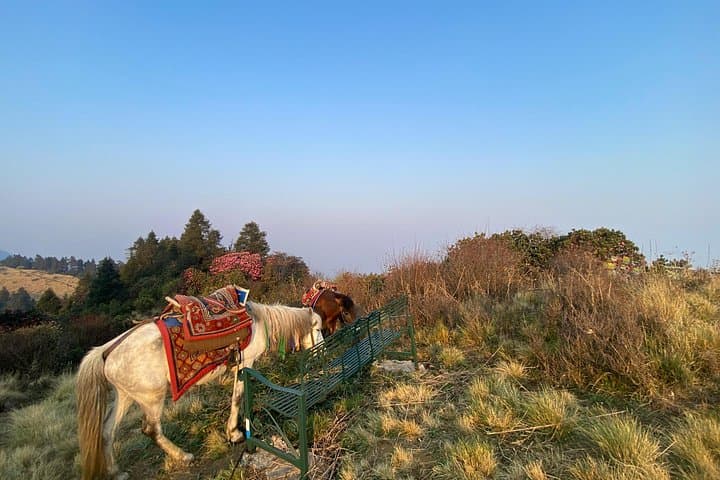
The route that follows blends human history and mountain geology. Terraced farms and villages reflect centuries of Gurung and Magar mountain agriculture; stone teahouses sit where old mule tracks once did. Geologically, the Annapurna massif is young rock—uplift from the India‑Eurasia collision—sculpted by glacial carving; the trail climbs from subtropical river valleys, through rhododendron forests, into alpine meadows and moraine‑strewn slopes en route to Mardi Himal Base Camp.
Expect 7–8 hours of walking on some days, steady stair climbs and exposed ridgelines on the higher approach. Lodging is in community guesthouses—simple meals, shared rooms and early lights—so pack for cold nights. Permits are required (Annapurna Conservation Area regulations and TIMS); hire a licensed guide for navigation and altitude safety. Hydrate, pace your ascent, and plan for alternating warm sun and sudden wind-driven chill at higher camps. The trek finishes back in Pokhara, where warm showers and valley views make for a satisfying contrast to days of mountain air.
Practical: be physically prepared for long ascents, bring layered insulation, and reserve peak-season slots in spring or autumn to avoid heavy monsoon or deep winter snow.
Poon Hill sits at about 3,210 m (10,532 ft); Mardi Himal Base Camp reaches roughly 4,500 m (14,764 ft). Expect noticeable altitude effects above 3,000 m.
Yes—trekkers need Annapurna Conservation Area Project (ACAP) permits and a TIMS card; guides typically arrange these before departure.
Accommodation is in local guesthouses/tea houses—simple, communal rooms with basic bedding and shared bathrooms; hot showers are often available for a small fee.
Spring (March–May) and autumn (September–November) offer the most stable weather and clear mountain views; monsoon (June–Aug) is wet, winter can bring snow at higher camps.
CAN Travels operates guided outdoor trips and adventures with an emphasis on safety, stewardship, and memorable experiences.

You wake before dawn and hike up the stone steps in the dark, headlamp cutting a thin path through rhododendron trunks. By the time the sky lightens, a ring of giants—Annapurna, Dhaulagiri and the sharp ridge of Machapuchare—flare gold as the sun spills across serrated snowfields. That is Poon Hill: immediate, cinematic and a compact reminder of how quickly the Himalaya can redefine scale.
You wake before dawn and hike up the stone steps in the dark, headlamp cutting a thin path through rhododendron trunks. By the time the sky lightens, a ring of giants—Annapurna, Dhaulagiri and the sharp ridge of Machapuchare—flare gold as the sun spills across serrated snowfields. That is Poon Hill: immediate, cinematic and a compact reminder of how quickly the Himalaya can redefine scale.
The route that follows blends human history and mountain geology. Terraced farms and villages reflect centuries of Gurung and Magar mountain agriculture; stone teahouses sit where old mule tracks once did. Geologically, the Annapurna massif is young rock—uplift from the India‑Eurasia collision—sculpted by glacial carving; the trail climbs from subtropical river valleys, through rhododendron forests, into alpine meadows and moraine‑strewn slopes en route to Mardi Himal Base Camp.
Expect 7–8 hours of walking on some days, steady stair climbs and exposed ridgelines on the higher approach. Lodging is in community guesthouses—simple meals, shared rooms and early lights—so pack for cold nights. Permits are required (Annapurna Conservation Area regulations and TIMS); hire a licensed guide for navigation and altitude safety. Hydrate, pace your ascent, and plan for alternating warm sun and sudden wind-driven chill at higher camps. The trek finishes back in Pokhara, where warm showers and valley views make for a satisfying contrast to days of mountain air.
Practical: be physically prepared for long ascents, bring layered insulation, and reserve peak-season slots in spring or autumn to avoid heavy monsoon or deep winter snow.