THE ADVENTURE COLLECTIVE® · Independent discovery and booking for outdoor travel

Short on time but craving Himalayan sunrise? The Poon Hill Panorama Trek is a 6-day introduction to the Annapurna region, offering dawn views over Annapurna and Dhaulagiri, teahouse nights, and close encounters with Gurung culture.
Short on time but craving Himalayan sunrise? The Poon Hill Panorama Trek is a 6-day introduction to the Annapurna region, offering dawn views over Annapurna and Dhaulagiri, teahouse nights, and close encounters with Gurung culture.
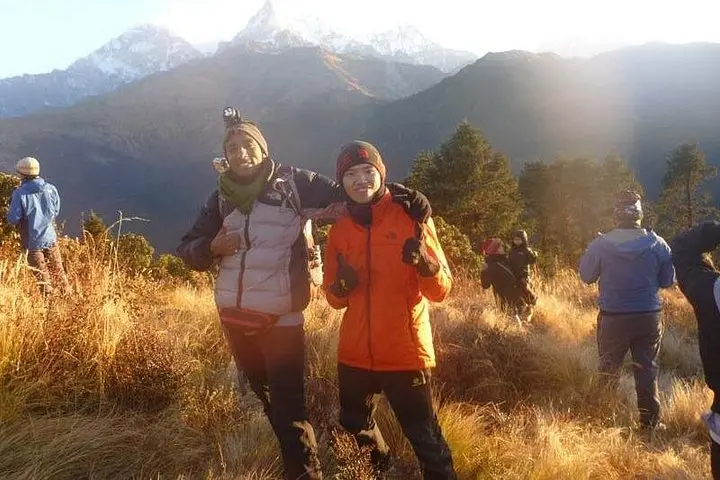
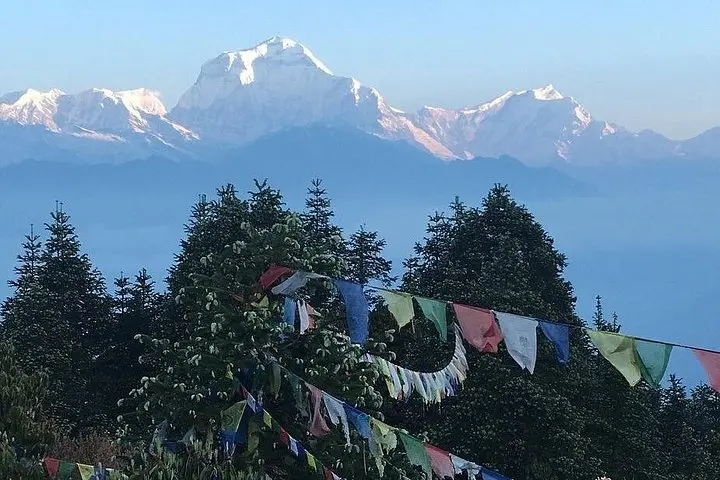
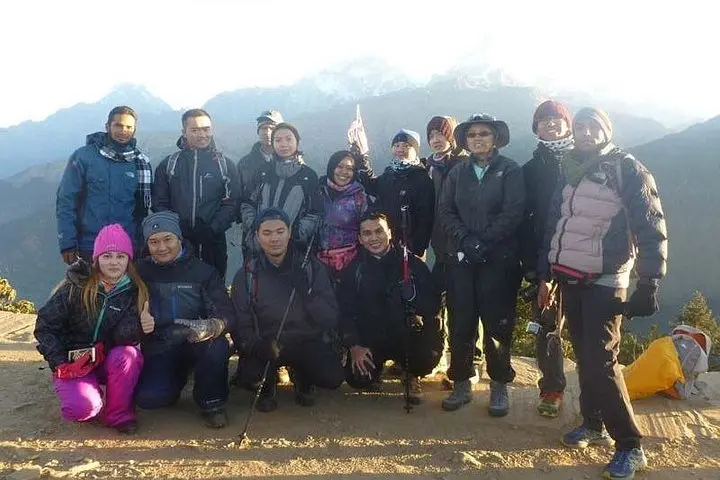
Dawn peels back like a curtain over the Annapurna range as you stand on Poon Hill, a small ridge that throws open views of Annapurna I, Dhaulagiri and Machapuchare. Cold air bites cheeks; prayer flags stitch the wind; terraces and rhododendron forests fall away into small Gurung settlements. This is a short trek that delivers a long memory.
Verified experiences and guided adventures in the surrounding area.
Operated by Himalayan Partner Treks and Expedition · Ghorepani / Pokhara, Gandaki Province
Dawn peels back like a curtain over the Annapurna range as you stand on Poon Hill, a small ridge that throws open views of Annapurna I, Dhaulagiri and Machapuchare. Cold air bites cheeks; prayer flags stitch the wind; terraces and rhododendron forests fall away into small Gurung settlements. This is a short trek that delivers a long memory.
The trail threads centuries-old trade routes and Gurung villages, where stone houses and teahouses reflect a Himalayan subsistence culture. Geologically, the Annapurna massif is a brittle collage of uplifted sediment and metamorphic rock; the sharp, snow-clad ridgelines are recent in geological terms and dramatic in profile. Local life centers on terrace farming, yak and mule transport, and festivals that mark planting and harvest.
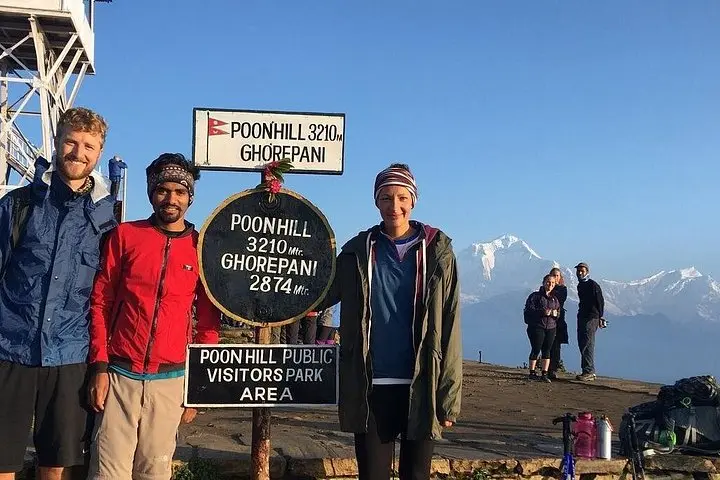
On the ground expect well-worn stone staircases, forested ascents through oak and rhododendron, and altitude that rises to about 3,210 m at Poon Hill viewpoint. Nights are spent in basic teahouses with cooked meals included; guides commonly handle logistics. The best light comes in the pre-dawn hours—plan for a steep, 30–60 minute predawn climb to secure a viewpoint.
Practical guidance: acclimatize in Pokhara, pack warm layers and a headlamp, and reserve extra time for steep stair sections and river crossings. Hydrate and keep a steady pace on long ascents; teahouse comforts mean heavy camping gear is unnecessary. With six days from Kathmandu return to Kathmandu by small plane from Pokhara, making this an efficient introduction to Himalayan trekking.
Poon Hill sits around 3,200 m; altitude-related symptoms are possible but uncommon on this short trek—stay hydrated, ascend slowly and communicate with your guide about any headaches or nausea.
Nights are in teahouses—simple rooms with mattresses and shared bathrooms; meals are cooked locally and included during the trek.
Spring and autumn offer the clearest mountain views and stable weather; winter is colder with clearer skies but colder nights, while summer brings monsoon clouds and leeches at lower elevations.
Guides are recommended and often included; regionally required permits (TIMS and Annapurna Conservation Area permit) are typically arranged by operators or guides.
Himalayan Partner Treks and Expedition operates guided outdoor trips and adventures with an emphasis on safety, stewardship, and memorable experiences.
Dawn peels back like a curtain over the Annapurna range as you stand on Poon Hill, a small ridge that throws open views of Annapurna I, Dhaulagiri and Machapuchare. Cold air bites cheeks; prayer flags stitch the wind; terraces and rhododendron forests fall away into small Gurung settlements. This is a short trek that delivers a long memory.
Dawn peels back like a curtain over the Annapurna range as you stand on Poon Hill, a small ridge that throws open views of Annapurna I, Dhaulagiri and Machapuchare. Cold air bites cheeks; prayer flags stitch the wind; terraces and rhododendron forests fall away into small Gurung settlements. This is a short trek that delivers a long memory.
The trail threads centuries-old trade routes and Gurung villages, where stone houses and teahouses reflect a Himalayan subsistence culture. Geologically, the Annapurna massif is a brittle collage of uplifted sediment and metamorphic rock; the sharp, snow-clad ridgelines are recent in geological terms and dramatic in profile. Local life centers on terrace farming, yak and mule transport, and festivals that mark planting and harvest.
On the ground expect well-worn stone staircases, forested ascents through oak and rhododendron, and altitude that rises to about 3,210 m at Poon Hill viewpoint. Nights are spent in basic teahouses with cooked meals included; guides commonly handle logistics. The best light comes in the pre-dawn hours—plan for a steep, 30–60 minute predawn climb to secure a viewpoint.
Practical guidance: acclimatize in Pokhara, pack warm layers and a headlamp, and reserve extra time for steep stair sections and river crossings. Hydrate and keep a steady pace on long ascents; teahouse comforts mean heavy camping gear is unnecessary. With six days from Kathmandu return to Kathmandu by small plane from Pokhara, making this an efficient introduction to Himalayan trekking.