THE ADVENTURE COLLECTIVE® · Independent discovery and booking for outdoor travel

A compact 4–5 day trek from Pokhara to Poon Hill and Ghandruk that delivers sunrise views of the Annapurnas, rhododendron forests, and Gurung village life. Ideal for travelers wanting high-mountain panoramas without technical climbing.
A compact 4–5 day trek from Pokhara to Poon Hill and Ghandruk that delivers sunrise views of the Annapurnas, rhododendron forests, and Gurung village life. Ideal for travelers wanting high-mountain panoramas without technical climbing.
Dawn squeezes through the rhododendron branches as you climb the final stone steps to Poon Hill. The ridge opens and the Annapurna range pushes itself into the light — Annapurna South, Hiunchuli and Machapuchare stand like slow-moving walls, their corniced summits turning gold.
Verified experiences and guided adventures in the surrounding area.
Operated by Travel Pinto · Ghorepani, Gandaki Province
Dawn squeezes through the rhododendron branches as you climb the final stone steps to Poon Hill. The ridge opens and the Annapurna range pushes itself into the light — Annapurna South, Hiunchuli and Machapuchare stand like slow-moving walls, their corniced summits turning gold.
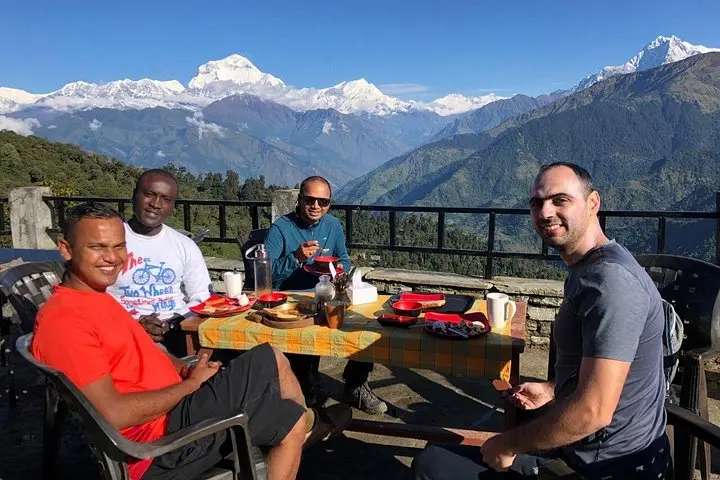
This short Ghorepani–Poon Hill trek traces centuries-old mule tracks through mid-hill forests and Gurung villages. Historically a local trade and transhumance route, the trail now supports tea houses and family-run lodges that offer local dal and steamed bread. The geology shifts from terraced farmland into oak and rhododendron belts; higher views reveal the folded, glaciated flanks of the Annapurnas, rock and moraine sculpted by uplift and ice.
Culturally, villages such as Ghandruk showcase Gurung hospitality and stone architecture; guides often point out local rituals and seasonal festivals. Birdsong and the occasional Himalayan monal break the trail’s rhythm — nature that both nudges and refuses to be rushed.
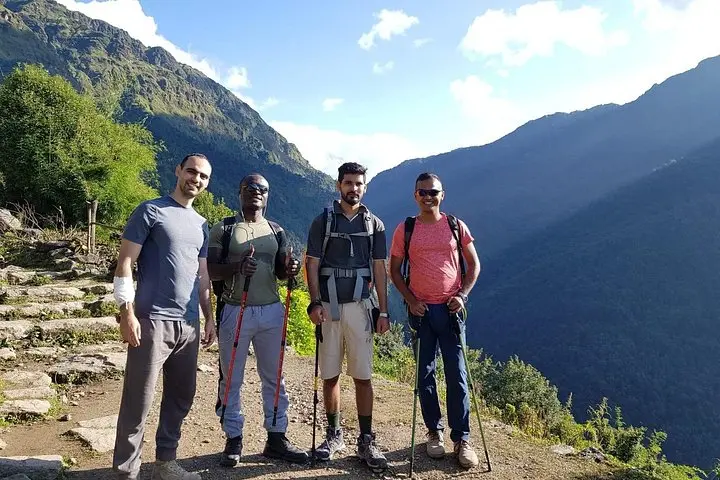
Practical side: expect 4–6 hours of walking on most days with sustained uphill sections to Ghorepani, a 30–45 minute pre-dawn hike to Poon Hill, and downhill trails to Ghandruk and Naya Pul. Lodging is teahouse-style—sleeping in simple rooms with shared bathrooms. Hydrate well, carry layers for sub-zero mornings, and budget time for acclimatization even though altitudes are moderate (Poon Hill ~3,210 m). With clear weather the sunrise view is the reward; with clouds the walk still delivers close-up forests, village life and manageable alpine exposure.
Yes—trekkers require TIMS (Trekkers’ Information Management System) and Annapurna Conservation Area entry permits, typically arranged by guides or tour operators.
Temperatures can drop below freezing before sunrise, especially October–March; dress in layers and bring a warm hat and gloves.
Yes—the route is graded easy; trails are well-established with teahouses, but expect sustained uphill sections and daily walking of several hours.
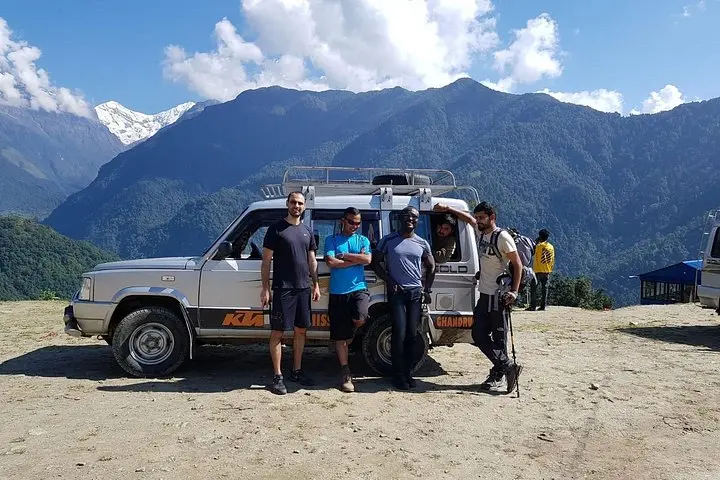
Most groups drive 1–1.5 hours from Pokhara to Nayapul and start the trek from there; shared or private transfer options are common.
Travel Pinto operates guided outdoor trips and adventures with an emphasis on safety, stewardship, and memorable experiences.
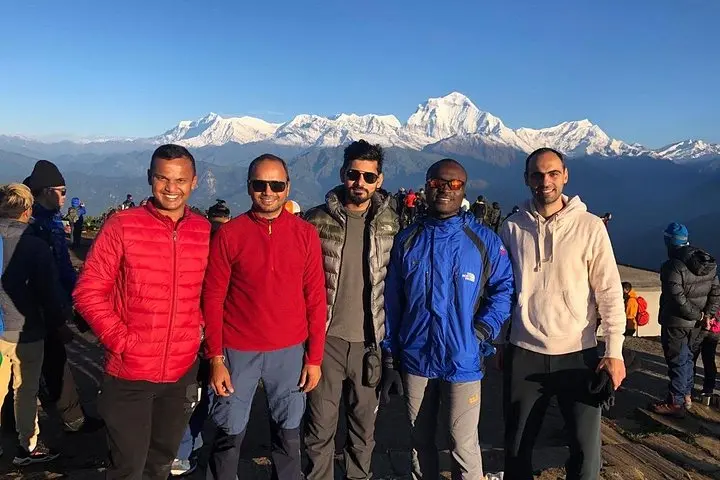
Dawn squeezes through the rhododendron branches as you climb the final stone steps to Poon Hill. The ridge opens and the Annapurna range pushes itself into the light — Annapurna South, Hiunchuli and Machapuchare stand like slow-moving walls, their corniced summits turning gold.
Dawn squeezes through the rhododendron branches as you climb the final stone steps to Poon Hill. The ridge opens and the Annapurna range pushes itself into the light — Annapurna South, Hiunchuli and Machapuchare stand like slow-moving walls, their corniced summits turning gold.
This short Ghorepani–Poon Hill trek traces centuries-old mule tracks through mid-hill forests and Gurung villages. Historically a local trade and transhumance route, the trail now supports tea houses and family-run lodges that offer local dal and steamed bread. The geology shifts from terraced farmland into oak and rhododendron belts; higher views reveal the folded, glaciated flanks of the Annapurnas, rock and moraine sculpted by uplift and ice.
Culturally, villages such as Ghandruk showcase Gurung hospitality and stone architecture; guides often point out local rituals and seasonal festivals. Birdsong and the occasional Himalayan monal break the trail’s rhythm — nature that both nudges and refuses to be rushed.
Practical side: expect 4–6 hours of walking on most days with sustained uphill sections to Ghorepani, a 30–45 minute pre-dawn hike to Poon Hill, and downhill trails to Ghandruk and Naya Pul. Lodging is teahouse-style—sleeping in simple rooms with shared bathrooms. Hydrate well, carry layers for sub-zero mornings, and budget time for acclimatization even though altitudes are moderate (Poon Hill ~3,210 m). With clear weather the sunrise view is the reward; with clouds the walk still delivers close-up forests, village life and manageable alpine exposure.