THE ADVENTURE COLLECTIVE® · Independent discovery and booking for outdoor travel

A compact, classic Annapurna foothills trek from Pokhara to Ghorepani and Poon Hill—famous for a pre-dawn climb to a panoramic Himalayan sunrise. Expect stone staircases, rhododendron forests and basic teahouse lodging over 3 nights and 4 days.
A compact, classic Annapurna foothills trek from Pokhara to Ghorepani and Poon Hill—famous for a pre-dawn climb to a panoramic Himalayan sunrise. Expect stone staircases, rhododendron forests and basic teahouse lodging over 3 nights and 4 days.
Dawn on Poon Hill arrives like a slow exhale: headlamps fade, the ridge loosens its night chill and the first light strips the Annapurna range into silver and shadow. You stand above a sea of peaks—Dhaulagiri to the west, Annapurna I and Machapuchare (Fishtail) to the east—and the air is thin and sharp, smelling of pine smoke and wet earth.
Verified experiences and guided adventures in the surrounding area.
Operated by Pigeon Travel And Tours Pvt Ltd · Pokhara, Gandaki Province
Dawn on Poon Hill arrives like a slow exhale: headlamps fade, the ridge loosens its night chill and the first light strips the Annapurna range into silver and shadow. You stand above a sea of peaks—Dhaulagiri to the west, Annapurna I and Machapuchare (Fishtail) to the east—and the air is thin and sharp, smelling of pine smoke and wet earth.
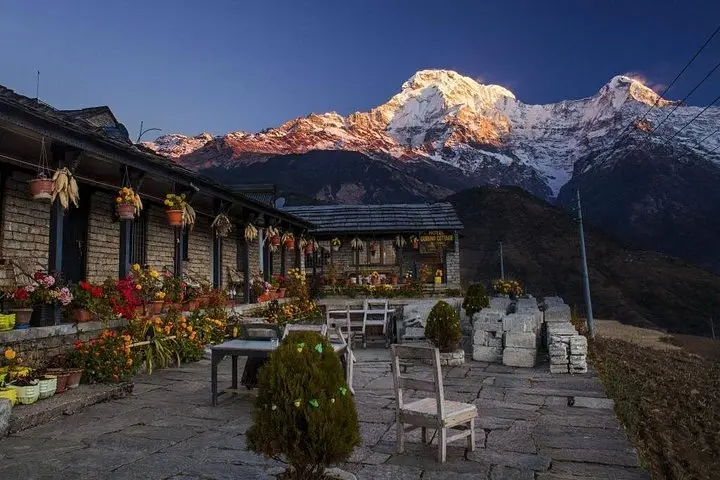
The route follows age-old mule tracks past terraced fields, rhododendron forests and the Modi Khola. Ghorepani was once a rest stop for traders moving salt and grain; those stone steps at Ulleri still remember their boots. Geologically the Annapurna foothills are young Himalaya—steep, folded schist and granite that throw sudden viewpoints and narrow valleys. Culturally you’ll pass Gurung and Magar villages where simple slate houses and prayer flags mark a long mountain practice of hospitality and portering.
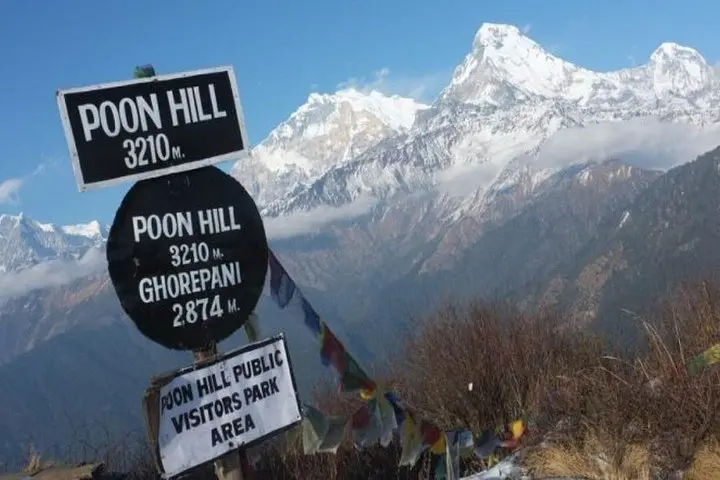
Practically: the trek is a short multi-day hiking loop, with steep stair climbs (Ulleri ~3300 steps) and a pre-dawn 45-minute ascent to Poon Hill (3,210 m) for sunrise. Lodges and teahouses provide basic hot meals and rooms; carry cash for tea and tips. Expect muddy trails in monsoon, frozen terraces in winter, and rhododendron blooms in spring.
Plan for early mornings, layered clothing, steady footwear and a slow pace on descents. Hydrate on the trail, pack a headlamp for pre-dawn starts, and give yourself time to enjoy viewpoints rather than race the itinerary. The reward—sudden, expansive Himalayan panoramas at first light—is immediate and unmistakable.
It’s considered an accessible short trek but includes steep stair climbs; beginners with decent fitness can complete it with rest and a guide.
Trekking in the Annapurna region requires TIMS and Annapurna Conservation Area permits; guides or agents usually arrange these before departure.
Simple teahouses and lodges with shared bathrooms are standard; lodges serve hot meals and basic dorm or twin rooms.
Poon Hill reaches about 3,210 m—mild AMS is possible; ascend slowly, hydrate, and report symptoms early; the itinerary includes gradual elevation gain to reduce risk.
Pigeon Travel And Tours Pvt Ltd operates guided outdoor trips and adventures with an emphasis on safety, stewardship, and memorable experiences.
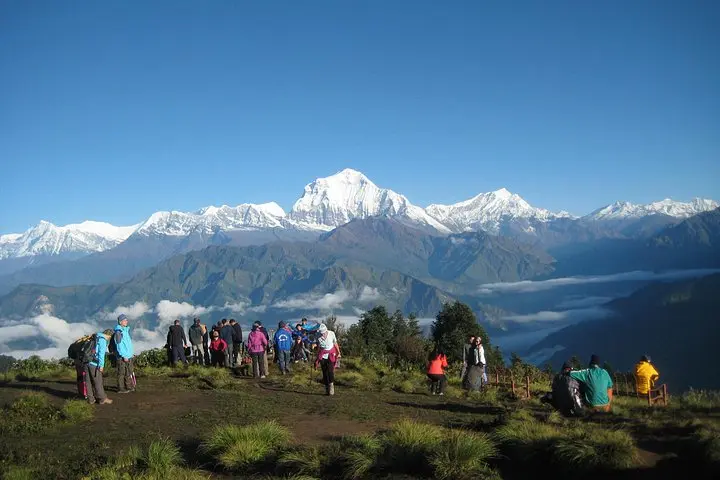
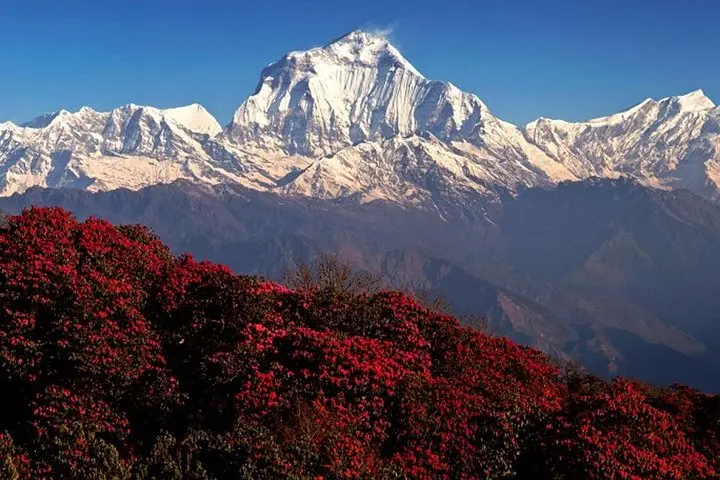
Dawn on Poon Hill arrives like a slow exhale: headlamps fade, the ridge loosens its night chill and the first light strips the Annapurna range into silver and shadow. You stand above a sea of peaks—Dhaulagiri to the west, Annapurna I and Machapuchare (Fishtail) to the east—and the air is thin and sharp, smelling of pine smoke and wet earth.
Dawn on Poon Hill arrives like a slow exhale: headlamps fade, the ridge loosens its night chill and the first light strips the Annapurna range into silver and shadow. You stand above a sea of peaks—Dhaulagiri to the west, Annapurna I and Machapuchare (Fishtail) to the east—and the air is thin and sharp, smelling of pine smoke and wet earth.
The route follows age-old mule tracks past terraced fields, rhododendron forests and the Modi Khola. Ghorepani was once a rest stop for traders moving salt and grain; those stone steps at Ulleri still remember their boots. Geologically the Annapurna foothills are young Himalaya—steep, folded schist and granite that throw sudden viewpoints and narrow valleys. Culturally you’ll pass Gurung and Magar villages where simple slate houses and prayer flags mark a long mountain practice of hospitality and portering.
Practically: the trek is a short multi-day hiking loop, with steep stair climbs (Ulleri ~3300 steps) and a pre-dawn 45-minute ascent to Poon Hill (3,210 m) for sunrise. Lodges and teahouses provide basic hot meals and rooms; carry cash for tea and tips. Expect muddy trails in monsoon, frozen terraces in winter, and rhododendron blooms in spring.
Plan for early mornings, layered clothing, steady footwear and a slow pace on descents. Hydrate on the trail, pack a headlamp for pre-dawn starts, and give yourself time to enjoy viewpoints rather than race the itinerary. The reward—sudden, expansive Himalayan panoramas at first light—is immediate and unmistakable.