THE ADVENTURE COLLECTIVE® · Independent discovery and booking for outdoor travel

A compact four-day trek from Pokhara to Poon Hill delivers Himalayan sunrises and close-up views of Annapurna, Dhaulagiri and Manaslu. Expect teahouse nights, rhododendron forests, and a brisk pre-dawn push to a 3,221 m viewpoint.
A compact four-day trek from Pokhara to Poon Hill delivers Himalayan sunrises and close-up views of Annapurna, Dhaulagiri and Manaslu. Expect teahouse nights, rhododendron forests, and a brisk pre-dawn push to a 3,221 m viewpoint.
Dawn arrives cold and electric on Poon Hill. You hike through pitch-dark trails, headlamp slicing rhododendron silhouettes, and arrive at a ridge where the entire Annapurna range flips from gunmetal to gold in minutes. The air tastes of stone and wood smoke; distant peaks—Annapurna I, Dhaulagiri, Manaslu—stand like a shifting wall of ice.
Verified experiences and guided adventures in the surrounding area.
Operated by Himal Tourism Pvt.Ltd · Pokhara, Gandaki Province
Dawn arrives cold and electric on Poon Hill. You hike through pitch-dark trails, headlamp slicing rhododendron silhouettes, and arrive at a ridge where the entire Annapurna range flips from gunmetal to gold in minutes. The air tastes of stone and wood smoke; distant peaks—Annapurna I, Dhaulagiri, Manaslu—stand like a shifting wall of ice.
This short trek threads centuries-old trade routes and Gurung villages. Ghorepani and Ghandruk sit on former salt-and-horse trails; their stone houses and chhortens speak to Tamang and Gurung cultural crossroads. Geologically, the trail skirts the lower Himalaya belt—steep folded limestone and metamorphics rise into granitic, snowbound summits. Forests of rhododendron and oak dominate mid-elevations, opening to alpine scrub above 2,500 m.
Walk days are compact: 4–5 hours between teahouses, with a final predawn push to Poon Hill (3,221 m) for sunrise. Expect layered temperature shifts—mild and humid in Pokhara, crisp at Tadapani, freezing at dawn on Poon Hill. Local guides hold TIMS permits and manage logistics; teahouse culture means simple shared meals and basic hot-water facilities.
Practical guidance: acclimatize gradually, drink often, and pack a warm layer for the summit wait. Sturdy boots with ankle support and trekking poles make steep stone steps and descents kinder. Start in Pokhara early, allow time for road transfer to Nayapol, and carry cash—the villages have limited ATMs. Respect local etiquette: remove shoes indoors, ask before photographing people, and tip guides and porters fairly.
The Poon Hill trek is compact, spectacular, and accessible—an ideal Himalayan primer for travelers wanting peak vistas without high-altitude technicalities.
The Poon Hill trek is graded moderate—short days and teahouse support make it achievable for fit beginners with a good pair of boots.
Yes—TIMS and Annapurna Conservation Area permits are required; reputable operators arrange these for you.
Teahouse lodges with basic private or shared rooms, limited hot showers, and communal dining; expect simple comforts.
Autumn (Sept–Nov) and spring (Mar–May) offer the clearest views; monsoon brings lush forests but wet trails.
Himal Tourism Pvt.Ltd operates guided outdoor trips and adventures with an emphasis on safety, stewardship, and memorable experiences.
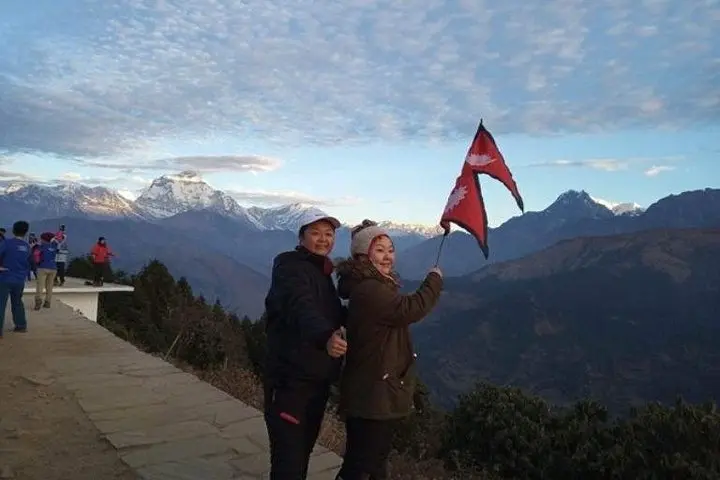
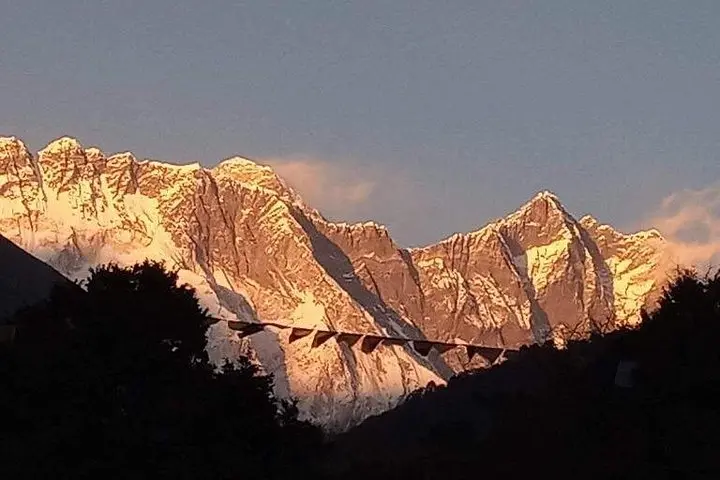
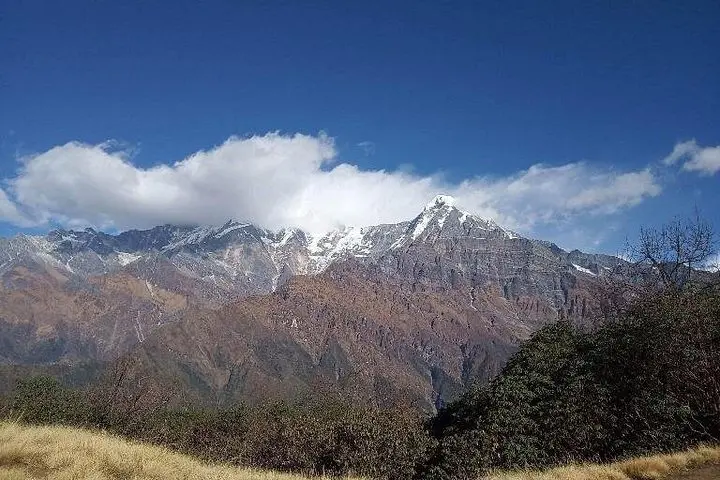
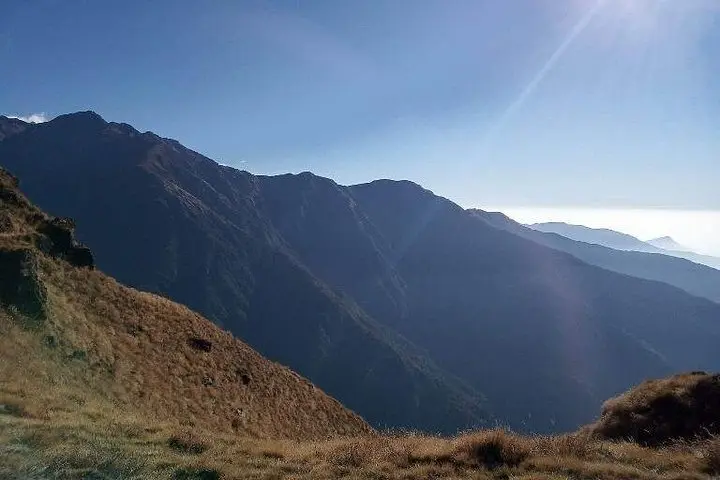
Dawn arrives cold and electric on Poon Hill. You hike through pitch-dark trails, headlamp slicing rhododendron silhouettes, and arrive at a ridge where the entire Annapurna range flips from gunmetal to gold in minutes. The air tastes of stone and wood smoke; distant peaks—Annapurna I, Dhaulagiri, Manaslu—stand like a shifting wall of ice.
Dawn arrives cold and electric on Poon Hill. You hike through pitch-dark trails, headlamp slicing rhododendron silhouettes, and arrive at a ridge where the entire Annapurna range flips from gunmetal to gold in minutes. The air tastes of stone and wood smoke; distant peaks—Annapurna I, Dhaulagiri, Manaslu—stand like a shifting wall of ice.
This short trek threads centuries-old trade routes and Gurung villages. Ghorepani and Ghandruk sit on former salt-and-horse trails; their stone houses and chhortens speak to Tamang and Gurung cultural crossroads. Geologically, the trail skirts the lower Himalaya belt—steep folded limestone and metamorphics rise into granitic, snowbound summits. Forests of rhododendron and oak dominate mid-elevations, opening to alpine scrub above 2,500 m.
Walk days are compact: 4–5 hours between teahouses, with a final predawn push to Poon Hill (3,221 m) for sunrise. Expect layered temperature shifts—mild and humid in Pokhara, crisp at Tadapani, freezing at dawn on Poon Hill. Local guides hold TIMS permits and manage logistics; teahouse culture means simple shared meals and basic hot-water facilities.
Practical guidance: acclimatize gradually, drink often, and pack a warm layer for the summit wait. Sturdy boots with ankle support and trekking poles make steep stone steps and descents kinder. Start in Pokhara early, allow time for road transfer to Nayapol, and carry cash—the villages have limited ATMs. Respect local etiquette: remove shoes indoors, ask before photographing people, and tip guides and porters fairly.
The Poon Hill trek is compact, spectacular, and accessible—an ideal Himalayan primer for travelers wanting peak vistas without high-altitude technicalities.