THE ADVENTURE COLLECTIVE® · Independent discovery and booking for outdoor travel

A short, high-impact trek in the Annapurna Conservation Area, Poon Hill delivers a 360-degree Himalayan sunrise over Annapurna and Dhaulagiri. This accessible 4-day walking itinerary combines village culture, rhododendron forests and panoramic ridgelines—perfect for families and first-time trekkers.
A short, high-impact trek in the Annapurna Conservation Area, Poon Hill delivers a 360-degree Himalayan sunrise over Annapurna and Dhaulagiri. This accessible 4-day walking itinerary combines village culture, rhododendron forests and panoramic ridgelines—perfect for families and first-time trekkers.
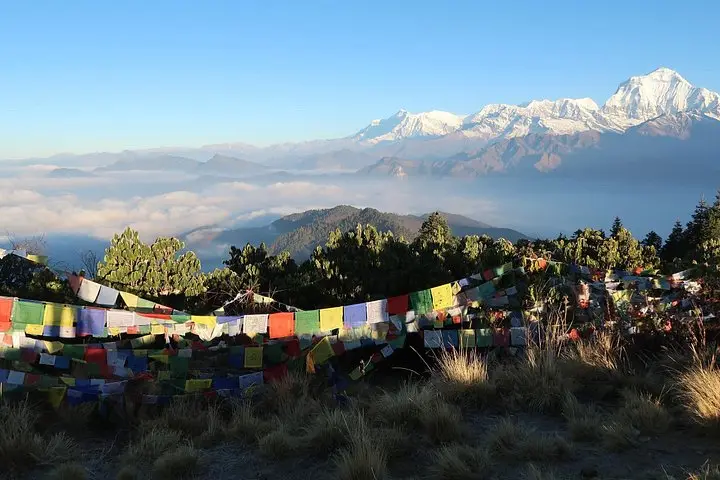
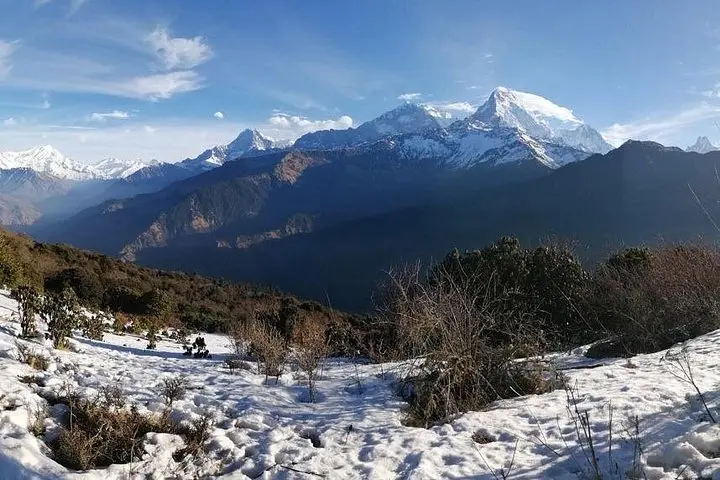
Before dawn a line of headlamps threads up a steep ridge and the world narrows to a cold sky and a single horizon. By the time the sun clears the peaks, 360-degree summits—Annapurna I and Dhaulagiri among them—flare gold and the deep Kali Gandaki Gorge drops away like a carved shadow. This is Poon Hill: compact, immediate Himalayan theater.
Verified experiences and guided adventures in the surrounding area.
Operated by Nepal Trek Hub · Ghorepani, Gandaki Province
Before dawn a line of headlamps threads up a steep ridge and the world narrows to a cold sky and a single horizon. By the time the sun clears the peaks, 360-degree summits—Annapurna I and Dhaulagiri among them—flare gold and the deep Kali Gandaki Gorge drops away like a carved shadow. This is Poon Hill: compact, immediate Himalayan theater.
The route sits inside the Annapurna Conservation Area, a landscape carved by glacial action and tectonic uplift that creates abrupt ridgelines and sheltered valleys. Trails pass small Gurung and Magar villages where terraced fields and traditional stone houses reveal centuries of mountain agriculture and hospitality. The rhododendron and oak forests that cloak the slopes give the season its color and scent and support Himalayan langur and pheasant populations.
Practically, this is a short, accessible trek: steep stone steps, village paths and ridgelines over four trekking days (part of a typical 6–7 day package including transfers). Expect lodge-style accommodations, full-board meals on trek days, and permit checks at park entrances. Sturdy footwear and layered clothing handle sudden wind and sun. Start the Poon Hill ascent pre-dawn to secure the viewpoint for sunrise; if clouds move in, the light can still be dramatic on lower ridges.
Guides and porters are common—local knowledge speeds the itinerary and helps with cultural exchange. Water is available at teahouses but treat or filter it when possible. The trek rewards with short daily distances, sweeping mountain exposures and approachable high-country atmosphere—an ideal choice for families or first-time trekkers seeking a concentrated Himalayan experience.
The trek is moderate: steep sections and stair climbs are common but daily distances are short; it’s suitable for fit beginners and families with reasonable stamina.
Yes—the Annapurna Conservation Area Project (ACAP) permit is required and usually handled by your operator; carry ID for checks.
Trekking is on a guesthouse/teahouse basis with basic private rooms, shared facilities, and full-board meals during trekking days.
Poon Hill reaches about 3,210 m—mild altitude effects are possible; ascend slowly, hydrate, and communicate symptoms to your guide.
Nepal Trek Hub operates guided outdoor trips and adventures with an emphasis on safety, stewardship, and memorable experiences.
Before dawn a line of headlamps threads up a steep ridge and the world narrows to a cold sky and a single horizon. By the time the sun clears the peaks, 360-degree summits—Annapurna I and Dhaulagiri among them—flare gold and the deep Kali Gandaki Gorge drops away like a carved shadow. This is Poon Hill: compact, immediate Himalayan theater.
Before dawn a line of headlamps threads up a steep ridge and the world narrows to a cold sky and a single horizon. By the time the sun clears the peaks, 360-degree summits—Annapurna I and Dhaulagiri among them—flare gold and the deep Kali Gandaki Gorge drops away like a carved shadow. This is Poon Hill: compact, immediate Himalayan theater.
The route sits inside the Annapurna Conservation Area, a landscape carved by glacial action and tectonic uplift that creates abrupt ridgelines and sheltered valleys. Trails pass small Gurung and Magar villages where terraced fields and traditional stone houses reveal centuries of mountain agriculture and hospitality. The rhododendron and oak forests that cloak the slopes give the season its color and scent and support Himalayan langur and pheasant populations.
Practically, this is a short, accessible trek: steep stone steps, village paths and ridgelines over four trekking days (part of a typical 6–7 day package including transfers). Expect lodge-style accommodations, full-board meals on trek days, and permit checks at park entrances. Sturdy footwear and layered clothing handle sudden wind and sun. Start the Poon Hill ascent pre-dawn to secure the viewpoint for sunrise; if clouds move in, the light can still be dramatic on lower ridges.
Guides and porters are common—local knowledge speeds the itinerary and helps with cultural exchange. Water is available at teahouses but treat or filter it when possible. The trek rewards with short daily distances, sweeping mountain exposures and approachable high-country atmosphere—an ideal choice for families or first-time trekkers seeking a concentrated Himalayan experience.