THE ADVENTURE COLLECTIVE® · Independent discovery and booking for outdoor travel

Watch the Annapurna range light up from Poon Hill after a brisk climb through rhododendron forest and traditional Gurung villages. This guide explains what to expect—terrain, permits, and practical tips for a multi-day teahouse trek to one of Nepal’s most accessible alpine viewpoints.
Watch the Annapurna range light up from Poon Hill after a brisk climb through rhododendron forest and traditional Gurung villages. This guide explains what to expect—terrain, permits, and practical tips for a multi-day teahouse trek to one of Nepal’s most accessible alpine viewpoints.
Dawn arrives in the Annapurna foothills as a cold breath spills across stone steps and rhododendron trunks. You leave the last village lamps behind, climbing through mist-slick forests toward an early-morning ridge; by the time the sun clears the jagged horizon, Annapurna South, Dhaulagiri and Machapuchare throw long light across terraced fields.
Verified experiences and guided adventures in the surrounding area.
Operated by nepal tourism adventure kathmandu · Ghorepani, Gandaki Province
Dawn arrives in the Annapurna foothills as a cold breath spills across stone steps and rhododendron trunks. You leave the last village lamps behind, climbing through mist-slick forests toward an early-morning ridge; by the time the sun clears the jagged horizon, Annapurna South, Dhaulagiri and Machapuchare throw long light across terraced fields.
The Poon Hill trek traces foothills carved by rivers and tectonic collision—the Greater Himalaya’s uplifted layers of sedimentary and metamorphic rock—through Gurung and Magar villages where teahouse hospitality still runs on wood stoves and stories of seasonal migration. Ghorepani and Ghandruk preserve living culture: stone houses, prayer flags, and communal guesthouses that grew with trekking’s rise in the 1970s.
Expect steep stone staircases, compact dirt trails, and a mix of forested switchbacks and exposed ridgelines. Typical trekking distance on the classic route is roughly 30–40 km round trip, with daily hikes of 4–7 hours and a highest viewpoint at Poon Hill around 3,210 m. Weather shifts fast—clear mornings can become clouded afternoons—so time your summit for sunrise and plan for a slower pace as altitude rises.
Practicalities: carry an Annapurna Conservation Area Permit (ACAP) and TIMS, bring layered clothing for chill and sun, and budget extra water and snacks for long uphill stretches. Teahouse lodges provide basic meals and bunks; tipping guides and porters sustains local economies. Move deliberately, respect trails, and the view from Poon Hill will repay the ascent.
Yes—foreign trekkers must carry an Annapurna Conservation Area Permit (ACAP) and a TIMS card; these are checked at entry points.
Poon Hill’s viewpoint is around 3,210 m; altitude sickness risk is moderate—ascend gradually, stay hydrated, and recognize symptoms early.
Yes—teahouses in Ulleri, Ghorepani, Tadapani and Ghandruk provide simple meals and bunk rooms; services are basic but adequate.
Fall (Sept–Nov) and spring (Mar–May) offer the best balance of stable weather, clear views, and comfortable trekking temperatures.
nepal tourism adventure kathmandu operates guided outdoor trips and adventures with an emphasis on safety, stewardship, and memorable experiences.
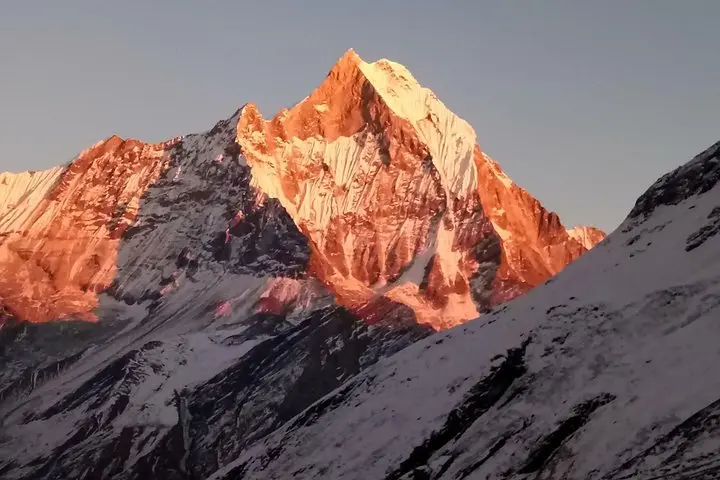
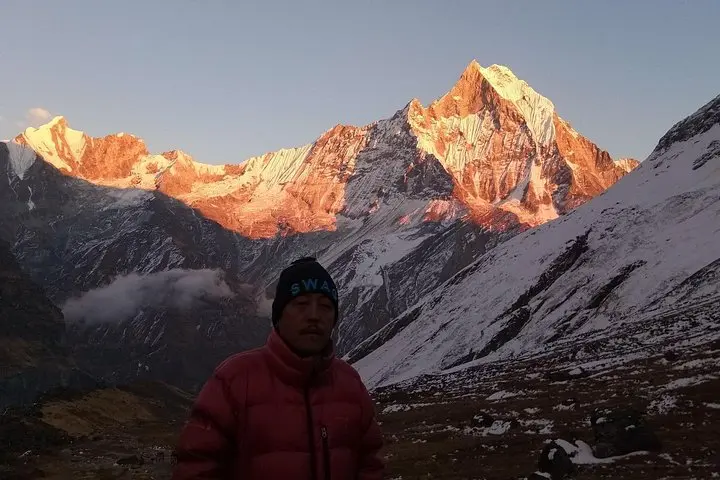
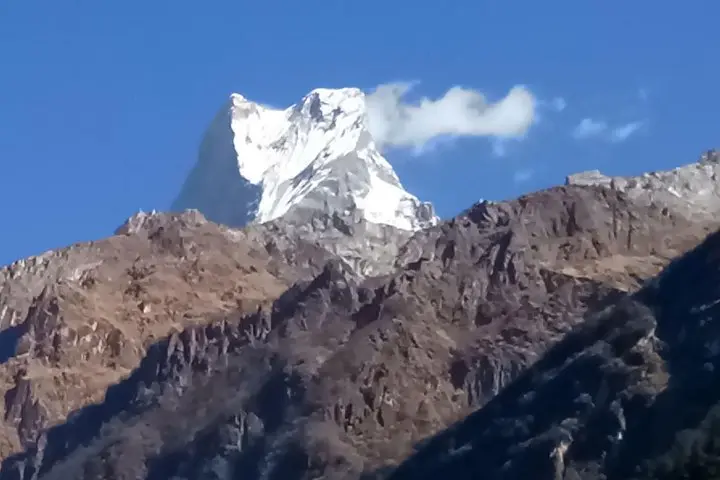
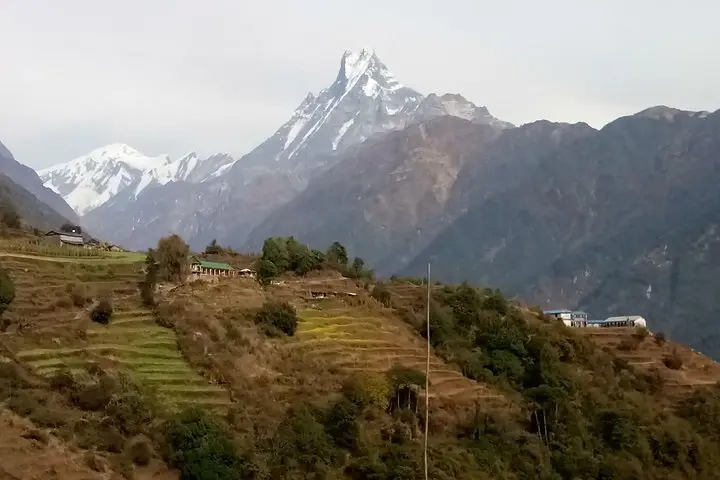
Dawn arrives in the Annapurna foothills as a cold breath spills across stone steps and rhododendron trunks. You leave the last village lamps behind, climbing through mist-slick forests toward an early-morning ridge; by the time the sun clears the jagged horizon, Annapurna South, Dhaulagiri and Machapuchare throw long light across terraced fields.
Dawn arrives in the Annapurna foothills as a cold breath spills across stone steps and rhododendron trunks. You leave the last village lamps behind, climbing through mist-slick forests toward an early-morning ridge; by the time the sun clears the jagged horizon, Annapurna South, Dhaulagiri and Machapuchare throw long light across terraced fields.
The Poon Hill trek traces foothills carved by rivers and tectonic collision—the Greater Himalaya’s uplifted layers of sedimentary and metamorphic rock—through Gurung and Magar villages where teahouse hospitality still runs on wood stoves and stories of seasonal migration. Ghorepani and Ghandruk preserve living culture: stone houses, prayer flags, and communal guesthouses that grew with trekking’s rise in the 1970s.
Expect steep stone staircases, compact dirt trails, and a mix of forested switchbacks and exposed ridgelines. Typical trekking distance on the classic route is roughly 30–40 km round trip, with daily hikes of 4–7 hours and a highest viewpoint at Poon Hill around 3,210 m. Weather shifts fast—clear mornings can become clouded afternoons—so time your summit for sunrise and plan for a slower pace as altitude rises.
Practicalities: carry an Annapurna Conservation Area Permit (ACAP) and TIMS, bring layered clothing for chill and sun, and budget extra water and snacks for long uphill stretches. Teahouse lodges provide basic meals and bunks; tipping guides and porters sustains local economies. Move deliberately, respect trails, and the view from Poon Hill will repay the ascent.