THE ADVENTURE COLLECTIVE® · Independent discovery and booking for outdoor travel

A compact Annapurna circuit that delivers sunrise panoramas from Poon Hill, Gurung village culture, and rhododendron forests in nine days. Ideal for first-time trekkers who want high Himalayan views without extreme altitude.
A compact Annapurna circuit that delivers sunrise panoramas from Poon Hill, Gurung village culture, and rhododendron forests in nine days. Ideal for first-time trekkers who want high Himalayan views without extreme altitude.
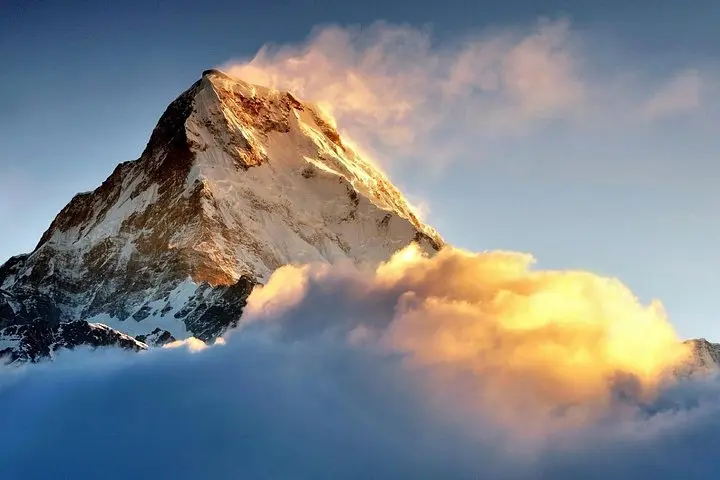
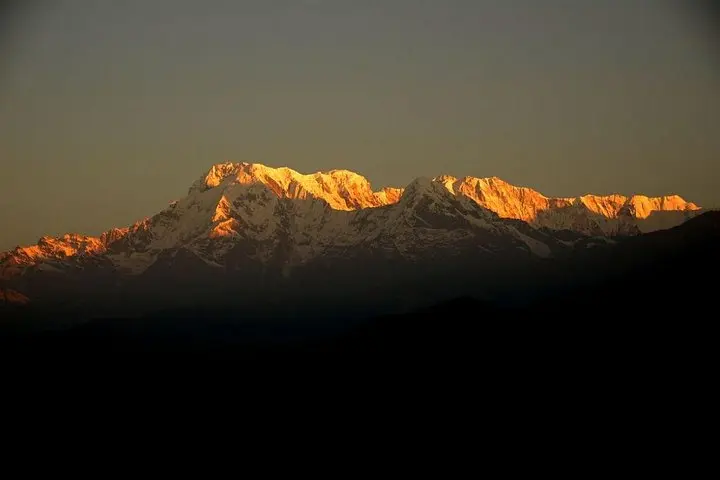
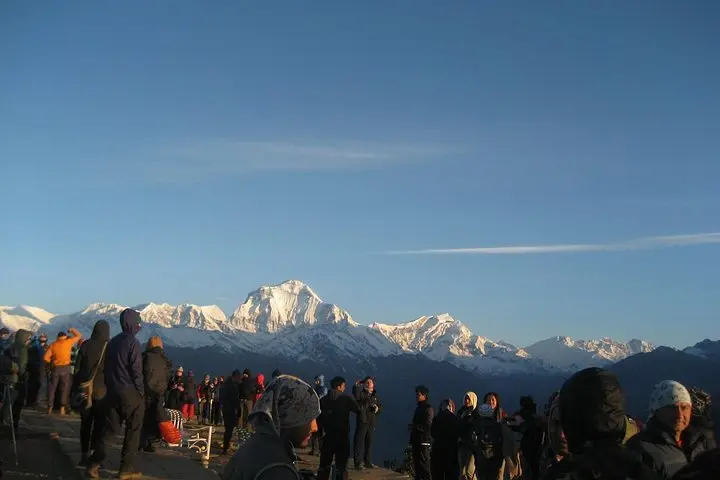
On the pre-dawn ridge at Poon Hill, cold air sharpens detail: the east edge of the Himalaya glows as orange fingers crawl down Annapurna and Dhaulagiri. Trekkers gather in silence, cameras ready, while rhododendron slopes and stone steps below still hold last night's fog.
Verified experiences and guided adventures in the surrounding area.
Operated by Welcome Nepal Treks P.ltd · Ghorepani, Gandaki Province
On the pre-dawn ridge at Poon Hill, cold air sharpens detail: the east edge of the Himalaya glows as orange fingers crawl down Annapurna and Dhaulagiri. Trekkers gather in silence, cameras ready, while rhododendron slopes and stone steps below still hold last night's fog.
This nine-day Ghorepani–Poon Hill route traces a classic Annapurna circuit for travelers short on time. The trail follows the Modi River valley, gains steeply through Ulleri's stone stairways and rhododendron forest, and crests at Ghorepani (about 2,850 m) before the short, celebrated climb to Poon Hill at sunrise. Geologically the range is young, jagged tectonic uplift—granites and metamorphosed sediments—that throw dramatic west-facing ridgelines and glacial cirques. Culturally the trek runs through Gurung and Magar villages; Ghandruk, a living museum of Gurung traditions, offers village homestays and local dance programs.
Expect lodge-style tea houses each night, simple meals, and walking times that vary from 3–7 hours per day. The highest altitudes are moderate—acute altitude illness is uncommon but monitor symptoms above 2,500 m. Guides and porters are standard on packaged departures, and the Annapurna Conservation Area Project (ACAP) manages permits and waste rules.
Practical guidance: bring sturdy trekking boots, layered insulation for cold mornings, and a headlamp for early starts. Start hikes well before sunrise for the Poon Hill viewpoint; hydrate and pace on the Ulleri steps. Leave electronics charging to village stops, carry cash for tea-house purchases, and pack biodegradable toiletries to reduce local impact. With straightforward trails and generous cultural payoff, this trek is an accessible short Himalayan immersion.
Yes—trekkers must carry the TIMS card and an Annapurna Conservation Area Permit (ACAP); guides typically arrange these before departure.
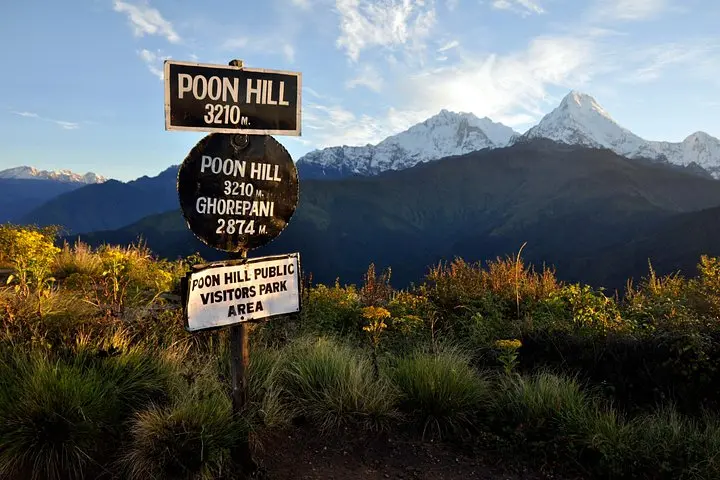
Poon Hill sits around 3,210 m (viewpoint), while Ghorepani is about 2,850 m—altitude-related symptoms are possible but less common than higher treks.
On this packaged itinerary, breakfast, lunch and dinner in tea houses are included during trekking days; confirm dietary needs at booking.
Guides are recommended for navigation, cultural interpretation and safety; porters are commonly hired to carry heavy duffels and ease the hike.
Welcome Nepal Treks P.ltd operates guided outdoor trips and adventures with an emphasis on safety, stewardship, and memorable experiences.
On the pre-dawn ridge at Poon Hill, cold air sharpens detail: the east edge of the Himalaya glows as orange fingers crawl down Annapurna and Dhaulagiri. Trekkers gather in silence, cameras ready, while rhododendron slopes and stone steps below still hold last night's fog.
On the pre-dawn ridge at Poon Hill, cold air sharpens detail: the east edge of the Himalaya glows as orange fingers crawl down Annapurna and Dhaulagiri. Trekkers gather in silence, cameras ready, while rhododendron slopes and stone steps below still hold last night's fog.
This nine-day Ghorepani–Poon Hill route traces a classic Annapurna circuit for travelers short on time. The trail follows the Modi River valley, gains steeply through Ulleri's stone stairways and rhododendron forest, and crests at Ghorepani (about 2,850 m) before the short, celebrated climb to Poon Hill at sunrise. Geologically the range is young, jagged tectonic uplift—granites and metamorphosed sediments—that throw dramatic west-facing ridgelines and glacial cirques. Culturally the trek runs through Gurung and Magar villages; Ghandruk, a living museum of Gurung traditions, offers village homestays and local dance programs.
Expect lodge-style tea houses each night, simple meals, and walking times that vary from 3–7 hours per day. The highest altitudes are moderate—acute altitude illness is uncommon but monitor symptoms above 2,500 m. Guides and porters are standard on packaged departures, and the Annapurna Conservation Area Project (ACAP) manages permits and waste rules.
Practical guidance: bring sturdy trekking boots, layered insulation for cold mornings, and a headlamp for early starts. Start hikes well before sunrise for the Poon Hill viewpoint; hydrate and pace on the Ulleri steps. Leave electronics charging to village stops, carry cash for tea-house purchases, and pack biodegradable toiletries to reduce local impact. With straightforward trails and generous cultural payoff, this trek is an accessible short Himalayan immersion.