THE ADVENTURE COLLECTIVE® · Independent discovery and booking for outdoor travel

Head offshore from Tutukaka to dive the Poor Knights Islands—a world-class marine reserve of arches, caves and sponge gardens. This small-group charter includes two dives, gear hire and access to distinct topography shaped by ancient volcanoes.
Head offshore from Tutukaka to dive the Poor Knights Islands—a world-class marine reserve of arches, caves and sponge gardens. This small-group charter includes two dives, gear hire and access to distinct topography shaped by ancient volcanoes.
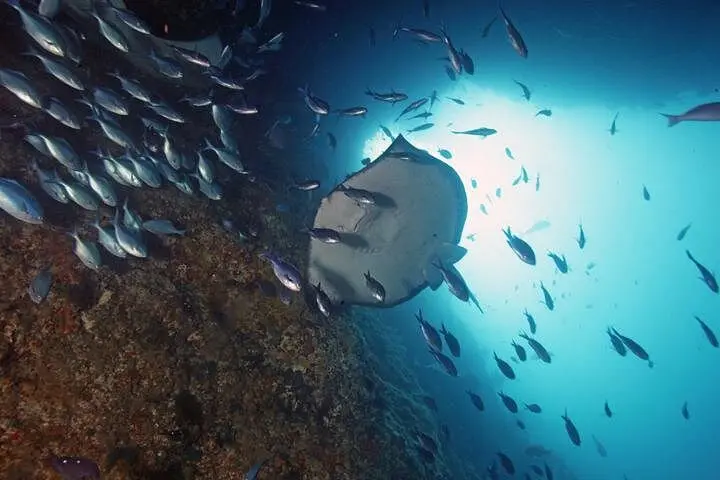
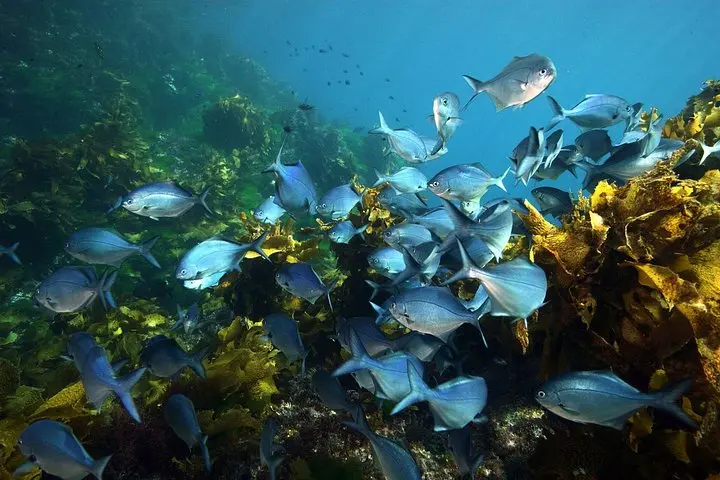
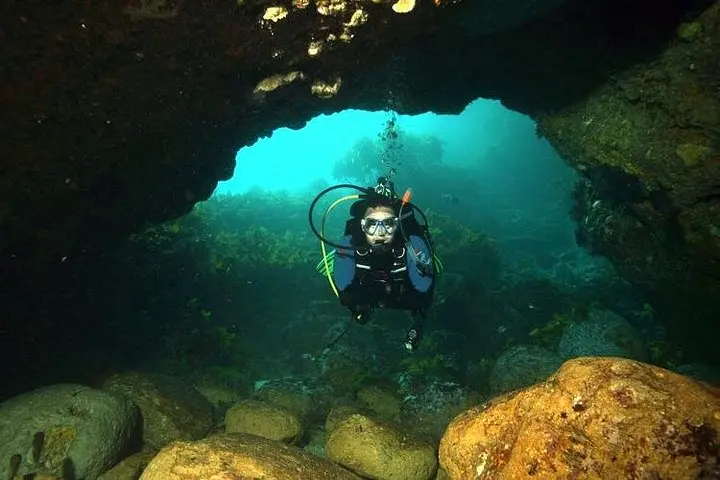
The boat cuts through a warm Tasman current and the islands appear—sheer cliffs rising from blue-green water, mouths of arches and caverns yawning at sea level. On a RIB you’ll reach the Poor Knights in under an hour from Tutukaka, step from deck into clear water, and swim into tunnels carved from ancient volcanic rock where shafts of light accompany schools of subtropical fish.
Verified experiences and guided adventures in the surrounding area.
Operated by New Zealand Diving Ltd · Tutukaka, Northland
The boat cuts through a warm Tasman current and the islands appear—sheer cliffs rising from blue-green water, mouths of arches and caverns yawning at sea level. On a RIB you’ll reach the Poor Knights in under an hour from Tutukaka, step from deck into clear water, and swim into tunnels carved from ancient volcanic rock where shafts of light accompany schools of subtropical fish.
The Poor Knights are the eroded remnants of Miocene volcanoes; beneath the surface the lava has been sculpted into arches, caves and pinnacles. Declared a marine reserve in 1981, the area protects endemic species found nowhere else in New Zealand, and its warm East Auckland current brings visibility and creature encounters uncommon at similar latitudes.
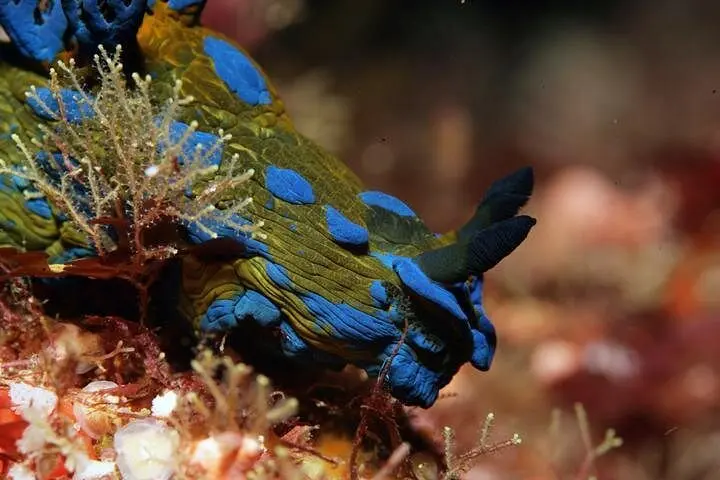
Culturally the islands carry Māori names and histories tied to the Ngātiwai iwi; modern conservation and tourism operate with those narratives in mind. Expect sponge gardens, kelp edges, caverns like the famous arches, and occasional visitors—fur seals and pelagic predators—patrolling deeper water.
Practical notes: charters run small groups (max eight), include two dives and gear hire, and require proof of certification and a recent dive log (within 12 months). Weather and swell determine the exact sites; operators can offer nitrox if qualified. Bring a reliable dive computer, logbook and an insulated layer for post-dive wind. Plan for a half- to full-day trip, briefings on boat-entry, and respect buoyancy around delicate sponges. With basic fitness and current-awareness skills, divers of many experience levels can enjoy dramatic topography and abundant marine life on a focused, well-run charter.
Yes—operators require proof of SCUBA certification for all divers; some trips accept advanced or specialty certifications for deeper sites.
Visibility is often good (10–30 m) in summer due to warm currents; temperatures span roughly 14–22°C depending on season and depth—adjust exposure protection accordingly.
Participants must complete a medical declaration; certain cardiac, respiratory or recent major surgery conditions may disqualify you—consult a dive physician if unsure.
Charters are weather-dependent; if canceled you’ll usually be offered an alternate date or store credit per the operator’s policy.
New Zealand Diving Ltd operates guided outdoor trips and adventures with an emphasis on safety, stewardship, and memorable experiences.
The boat cuts through a warm Tasman current and the islands appear—sheer cliffs rising from blue-green water, mouths of arches and caverns yawning at sea level. On a RIB you’ll reach the Poor Knights in under an hour from Tutukaka, step from deck into clear water, and swim into tunnels carved from ancient volcanic rock where shafts of light accompany schools of subtropical fish.
The boat cuts through a warm Tasman current and the islands appear—sheer cliffs rising from blue-green water, mouths of arches and caverns yawning at sea level. On a RIB you’ll reach the Poor Knights in under an hour from Tutukaka, step from deck into clear water, and swim into tunnels carved from ancient volcanic rock where shafts of light accompany schools of subtropical fish.
The Poor Knights are the eroded remnants of Miocene volcanoes; beneath the surface the lava has been sculpted into arches, caves and pinnacles. Declared a marine reserve in 1981, the area protects endemic species found nowhere else in New Zealand, and its warm East Auckland current brings visibility and creature encounters uncommon at similar latitudes.
Culturally the islands carry Māori names and histories tied to the Ngātiwai iwi; modern conservation and tourism operate with those narratives in mind. Expect sponge gardens, kelp edges, caverns like the famous arches, and occasional visitors—fur seals and pelagic predators—patrolling deeper water.
Practical notes: charters run small groups (max eight), include two dives and gear hire, and require proof of certification and a recent dive log (within 12 months). Weather and swell determine the exact sites; operators can offer nitrox if qualified. Bring a reliable dive computer, logbook and an insulated layer for post-dive wind. Plan for a half- to full-day trip, briefings on boat-entry, and respect buoyancy around delicate sponges. With basic fitness and current-awareness skills, divers of many experience levels can enjoy dramatic topography and abundant marine life on a focused, well-run charter.