THE ADVENTURE COLLECTIVE® · Independent discovery and booking for outdoor travel

Cruise the Port Adelaide River to search for bottlenose dolphins while learning about shipbuilding, naval docks and local maritime history. This accessible two‑hour tour balances wildlife viewing with industrial and cultural sights.
Cruise the Port Adelaide River to search for bottlenose dolphins while learning about shipbuilding, naval docks and local maritime history. This accessible two‑hour tour balances wildlife viewing with industrial and cultural sights.
The boat slips from the quay and the city recedes: salt air, gulls and the low thump of diesel set the pace as dolphins begin to arc near the bow. On this two-hour cruise through the Port Adelaide River and into the Adelaide Dolphin Sanctuary, passengers trade shorebound detail for tide, shipping noise and the steady narration of a skipper-guide who points out shipyards, naval docks and the occasional bow-riding bottlenose.
Verified experiences and guided adventures in the surrounding area.
Operated by Port River Cruises · Port Adelaide, South Australia
The boat slips from the quay and the city recedes: salt air, gulls and the low thump of diesel set the pace as dolphins begin to arc near the bow. On this two-hour cruise through the Port Adelaide River and into the Adelaide Dolphin Sanctuary, passengers trade shorebound detail for tide, shipping noise and the steady narration of a skipper-guide who points out shipyards, naval docks and the occasional bow-riding bottlenose.
This estuary sits on Kaurna country—Yartapuulti and Yertabulti—with European settlement dating to 1837 when Port Creek Settlement became Adelaide’s working harbor. Geologically the area is a broad tidal plain with seagrass beds, saltmarsh and a mangrove forest that’s stood for thousands of years, shaping a rich feeding ground for dolphins and migratory birds. The working port, historic clipper ships and the modern submarine dry dock layer industrial culture alongside fragile habitat.
Practically, expect a mix of wildlife viewing and maritime sightseeing: keep binoculars ready, listen to the guide’s notes on shipbuilding and sanctuary rules, and watch how dolphins use the tidal channels to hunt and play. The operator provides an onboard restroom and accessible boarding; trips run about 120 minutes and are suitable for most fitness levels. Bring sun protection, a waterproof shell for wind and spray, and motion-sickness prevention if you’re sensitive. Check tide and weather notes before departure and honor distance guidelines around wildlife—quiet observation helps keep dolphins wild and the sanctuary healthy.
Dolphins are commonly sighted—there’s a resident population plus transients—but sightings aren’t guaranteed since animals are wild and move with tides and prey.
Yes—boardings and onboard facilities are described as wheelchair accessible; notify the operator of special requirements when booking.
Yes, the vessel provides an onboard restroom for passenger use during the two-hour cruise.
The operator doesn’t typically offer full catering; bring water and light snacks, and check operator details if you require specific provisions.
Port River Cruises operates guided outdoor trips and adventures with an emphasis on safety, stewardship, and memorable experiences.
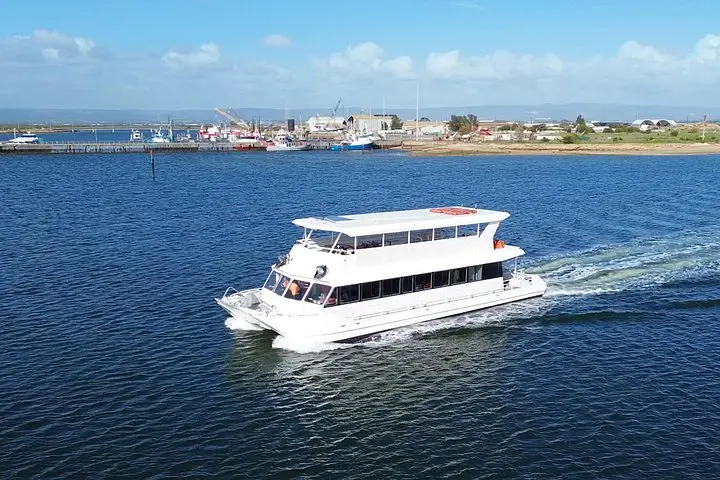
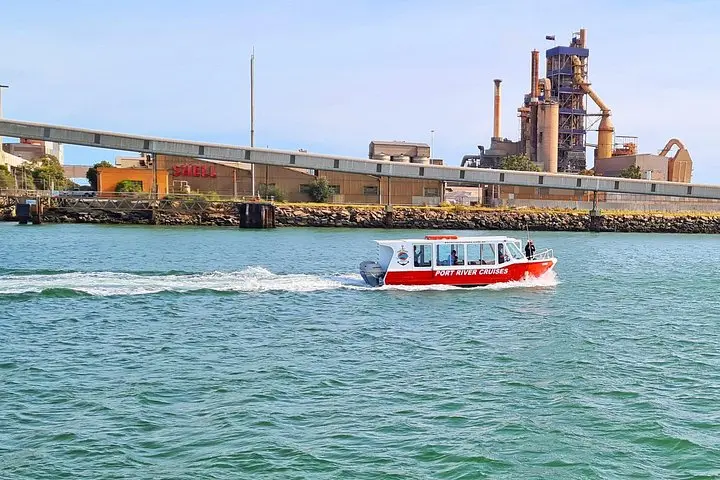
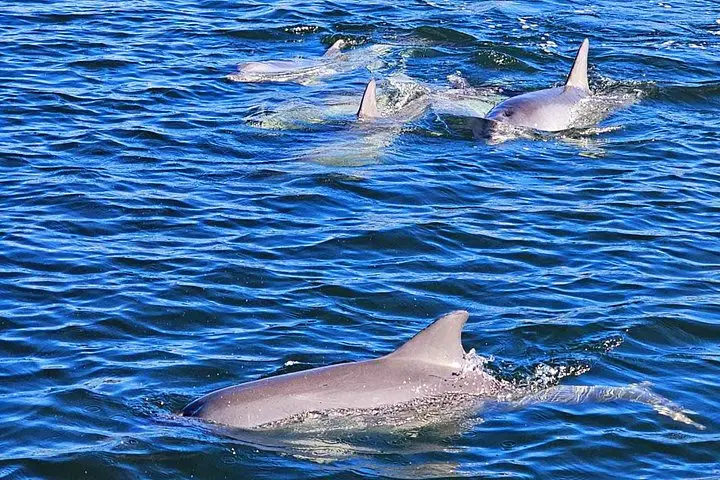
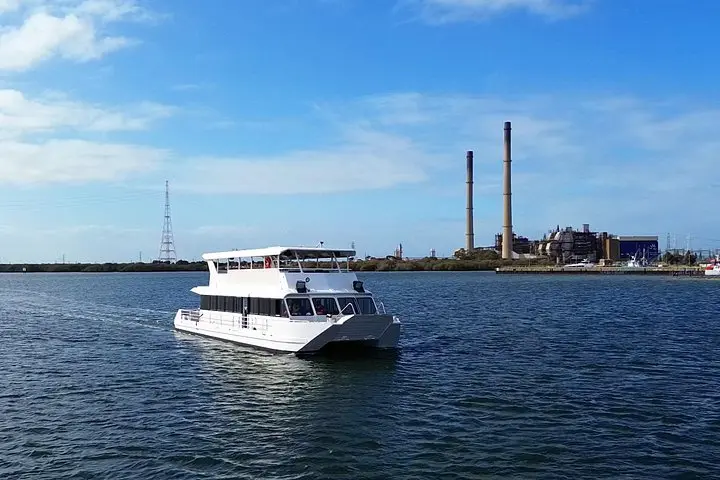
The boat slips from the quay and the city recedes: salt air, gulls and the low thump of diesel set the pace as dolphins begin to arc near the bow. On this two-hour cruise through the Port Adelaide River and into the Adelaide Dolphin Sanctuary, passengers trade shorebound detail for tide, shipping noise and the steady narration of a skipper-guide who points out shipyards, naval docks and the occasional bow-riding bottlenose.
The boat slips from the quay and the city recedes: salt air, gulls and the low thump of diesel set the pace as dolphins begin to arc near the bow. On this two-hour cruise through the Port Adelaide River and into the Adelaide Dolphin Sanctuary, passengers trade shorebound detail for tide, shipping noise and the steady narration of a skipper-guide who points out shipyards, naval docks and the occasional bow-riding bottlenose.
This estuary sits on Kaurna country—Yartapuulti and Yertabulti—with European settlement dating to 1837 when Port Creek Settlement became Adelaide’s working harbor. Geologically the area is a broad tidal plain with seagrass beds, saltmarsh and a mangrove forest that’s stood for thousands of years, shaping a rich feeding ground for dolphins and migratory birds. The working port, historic clipper ships and the modern submarine dry dock layer industrial culture alongside fragile habitat.
Practically, expect a mix of wildlife viewing and maritime sightseeing: keep binoculars ready, listen to the guide’s notes on shipbuilding and sanctuary rules, and watch how dolphins use the tidal channels to hunt and play. The operator provides an onboard restroom and accessible boarding; trips run about 120 minutes and are suitable for most fitness levels. Bring sun protection, a waterproof shell for wind and spray, and motion-sickness prevention if you’re sensitive. Check tide and weather notes before departure and honor distance guidelines around wildlife—quiet observation helps keep dolphins wild and the sanctuary healthy.