THE ADVENTURE COLLECTIVE® · Independent discovery and booking for outdoor travel

See Port Canaveral from the air on a short, high-impact helicopter flight that sweeps over cruise terminals, locks, and the Space Coast launch and recovery areas. Ideal for photographers and anyone wanting a quick, memorable orientation of the port and coastline.
See Port Canaveral from the air on a short, high-impact helicopter flight that sweeps over cruise terminals, locks, and the Space Coast launch and recovery areas. Ideal for photographers and anyone wanting a quick, memorable orientation of the port and coastline.
Rotors slice the humid Atlantic air as the coastline of the Space Coast unfurls beneath you: cruise terminals, the lock system feeding ships into the ocean, and the neat geometric basin where submarines and recovery platforms sit like pieces on a model. In eight intense minutes the helicopter offers a compact, cinematic sweep—ocean daring you out to the horizon, the port’s infrastructure pushing human ambition toward sea and space.
Verified experiences and guided adventures in the surrounding area.
Operated by Cocoa Beach Helicopters · Cape Canaveral, Florida
Rotors slice the humid Atlantic air as the coastline of the Space Coast unfurls beneath you: cruise terminals, the lock system feeding ships into the ocean, and the neat geometric basin where submarines and recovery platforms sit like pieces on a model. In eight intense minutes the helicopter offers a compact, cinematic sweep—ocean daring you out to the horizon, the port’s infrastructure pushing human ambition toward sea and space.
Port Canaveral grew rapidly after its mid-20th century founding as Florida’s commercial gateway and later became a Quatro‑modal hub—land, air, sea and space—tied to the rise of cruise traffic and Space Force operations. Geologically, you fly over barrier-island sands, dredged channels, and the shallow Atlantic shelf; culturally you skim a place defined equally by shipping logistics, tourism, and launch culture from neighboring Cape Canaveral.
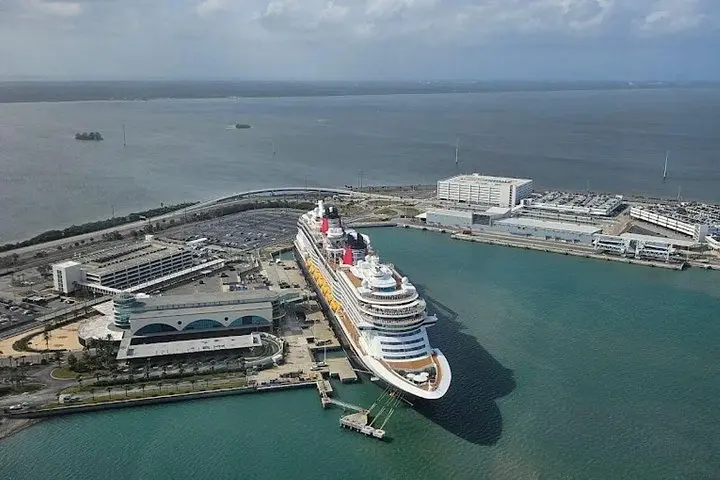
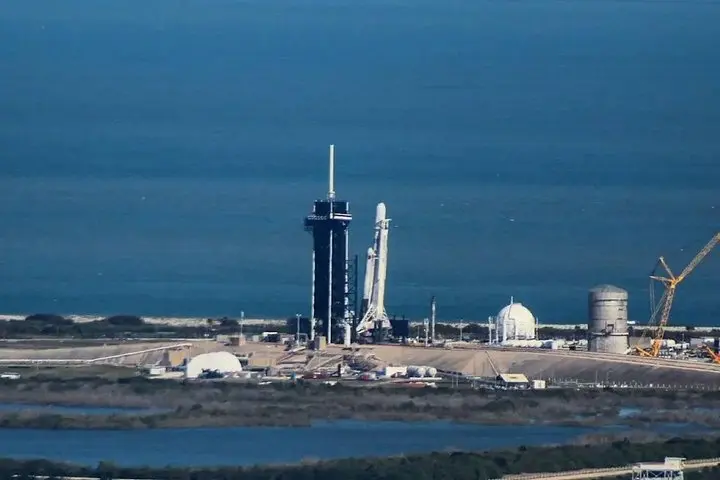
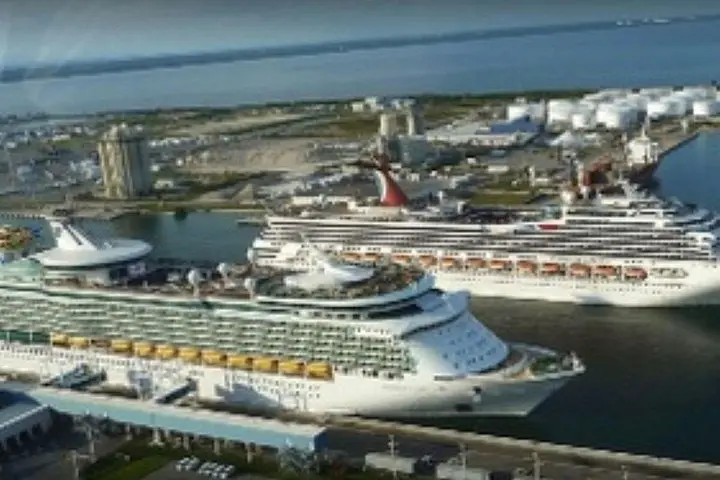
Expect crisp, close-up views of cruise ships lining the terminals, the lock system opening to the ocean, and, on lucky days, SpaceX boosters or recovery platforms near the water. The flight window is short and focused—perfect for photographers and for anyone who wants a quick orientation of the port and its coastal context.
Practical points: arrive early to check weight and ID, bring a camera with a wide lens and fast shutter, request a window seat if possible, and dress in layers—sea breezes can be sharp even when the sun is hot. Flights are weather dependent; morning windows often mean clearer air. Accessibility is good at the departure building, but the helicopter has standard steps and a small cabin. For a brisk, high-impact taste of the Space Coast, this is a compact, unforgettable way to see how ocean, industry and space converge.
The advertised flight time is about 6–8 minutes in the air; allow additional time for check‑in and briefing—plan on 30–60 minutes overall.
Infants can ride in laps per operator policy; check age and lap requirements and book accordingly—strollers are allowed at the terminal.
Flights are weather dependent and may be canceled for safety; the operator typically offers a refund or rebooking if canceled due to conditions.
The departure building is wheelchair accessible; however, boarding the helicopter requires climbing steps and a short transfer into a small cabin.
Cocoa Beach Helicopters operates guided outdoor trips and adventures with an emphasis on safety, stewardship, and memorable experiences.
Rotors slice the humid Atlantic air as the coastline of the Space Coast unfurls beneath you: cruise terminals, the lock system feeding ships into the ocean, and the neat geometric basin where submarines and recovery platforms sit like pieces on a model. In eight intense minutes the helicopter offers a compact, cinematic sweep—ocean daring you out to the horizon, the port’s infrastructure pushing human ambition toward sea and space.
Rotors slice the humid Atlantic air as the coastline of the Space Coast unfurls beneath you: cruise terminals, the lock system feeding ships into the ocean, and the neat geometric basin where submarines and recovery platforms sit like pieces on a model. In eight intense minutes the helicopter offers a compact, cinematic sweep—ocean daring you out to the horizon, the port’s infrastructure pushing human ambition toward sea and space.
Port Canaveral grew rapidly after its mid-20th century founding as Florida’s commercial gateway and later became a Quatro‑modal hub—land, air, sea and space—tied to the rise of cruise traffic and Space Force operations. Geologically, you fly over barrier-island sands, dredged channels, and the shallow Atlantic shelf; culturally you skim a place defined equally by shipping logistics, tourism, and launch culture from neighboring Cape Canaveral.
Expect crisp, close-up views of cruise ships lining the terminals, the lock system opening to the ocean, and, on lucky days, SpaceX boosters or recovery platforms near the water. The flight window is short and focused—perfect for photographers and for anyone who wants a quick orientation of the port and its coastal context.
Practical points: arrive early to check weight and ID, bring a camera with a wide lens and fast shutter, request a window seat if possible, and dress in layers—sea breezes can be sharp even when the sun is hot. Flights are weather dependent; morning windows often mean clearer air. Accessibility is good at the departure building, but the helicopter has standard steps and a small cabin. For a brisk, high-impact taste of the Space Coast, this is a compact, unforgettable way to see how ocean, industry and space converge.