THE ADVENTURE COLLECTIVE® · Independent discovery and booking for outdoor travel

Drive south from Anchorage along the dramatic Seward Highway to the Alaska Wildlife Conservation Center and a Portage Glacier overlook. This half-day tour pairs guaranteed wildlife viewing with glacier-shaped landscapes and practical tips for a smooth, low-impact visit.
Drive south from Anchorage along the dramatic Seward Highway to the Alaska Wildlife Conservation Center and a Portage Glacier overlook. This half-day tour pairs guaranteed wildlife viewing with glacier-shaped landscapes and practical tips for a smooth, low-impact visit.
You climb into a van on 4th Avenue and, within an hour, the road opens into a coastal corridor where Turnagain Arm pushes a cold wind along the highway and the Chugach range cranes its peaks toward the sky.
Verified experiences and guided adventures in the surrounding area.
Operated by Kelley Thompson · Portage, Alaska
You climb into a van on 4th Avenue and, within an hour, the road opens into a coastal corridor where Turnagain Arm pushes a cold wind along the highway and the Chugach range cranes its peaks toward the sky.
History and geology are visible in the valley: glaciers carved the Portage Valley, gouging U-shaped troughs and leaving behind moraines and lakes that reflect the mountains. The Alaska Wildlife Conservation Center carries a local conservation story — a place where injured and orphaned animals are rehabilitated and given permanent sanctuary when release isn’t possible. Indigenous presence and subsistence histories thread the region, and the Seward Highway was designated an All-American Road for its dramatic coastal-mountain interface.
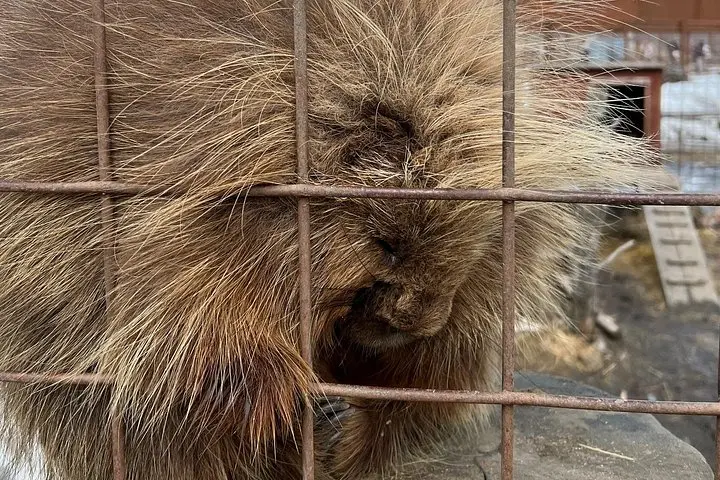
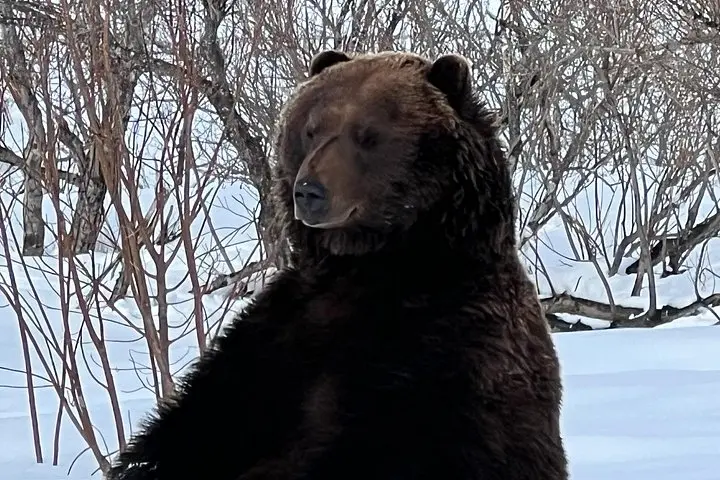
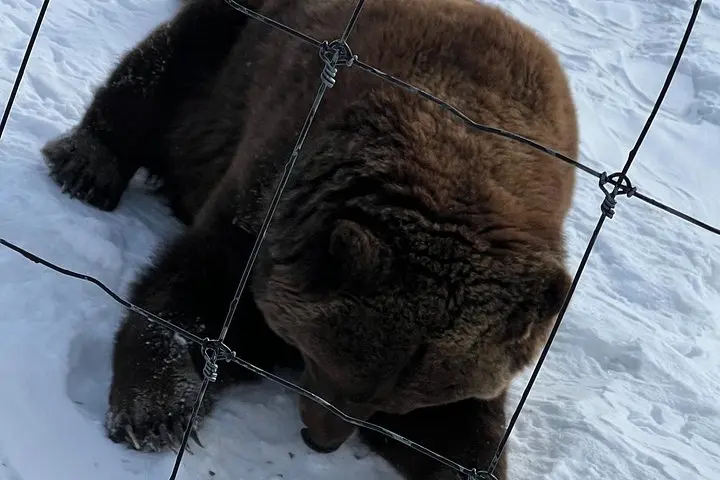
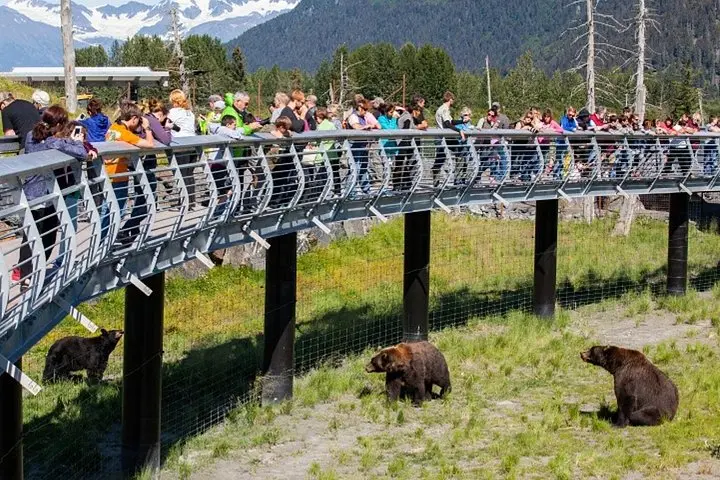
Expect a deliberate pace: stops at Beluga Point for coastal viewing, a guided loop through AWCC’s 1.5-mile grounds to see bears, muskox, elk, and eagles from safe distances, and a short Portage Glacier overlook where the lake and ice remind you how recent and active these sculpting forces are.
Practical guidance: bring layers and waterproofs — weather changes quickly between coast and valley. Binoculars and a telephoto lens will turn distant raptors and shy moose into memorable sightings. The route is primarily accessible by car with short walking loops; trails are mostly flat but can be muddy. If you want a quieter visit, choose shoulder seasons and arrive early; weekend afternoons fill up. The tour is low-impact if you stay on paths and follow guide instructions — the animals and the landscape are the reason you came, so tread lightly and leave no trace.
The AWCC houses resident bears, moose, and other animals, so sightings within the sanctuary are very likely; wild sightings along the highway depend on season and luck.
Yes — the tour’s itinerary includes admission to the AWCC and the driving loop through the center is part of the visit.
Pickup and drop-off are at the log cabin on 4th Avenue in downtown Anchorage; exact meeting details are provided at booking.
Yes — the tour is rated easy and the AWCC has an accessible vehicle route and short, level walking paths, but contact the operator for specific mobility needs.
Kelley Thompson operates guided outdoor trips and adventures with an emphasis on safety, stewardship, and memorable experiences.
You climb into a van on 4th Avenue and, within an hour, the road opens into a coastal corridor where Turnagain Arm pushes a cold wind along the highway and the Chugach range cranes its peaks toward the sky.
You climb into a van on 4th Avenue and, within an hour, the road opens into a coastal corridor where Turnagain Arm pushes a cold wind along the highway and the Chugach range cranes its peaks toward the sky.
History and geology are visible in the valley: glaciers carved the Portage Valley, gouging U-shaped troughs and leaving behind moraines and lakes that reflect the mountains. The Alaska Wildlife Conservation Center carries a local conservation story — a place where injured and orphaned animals are rehabilitated and given permanent sanctuary when release isn’t possible. Indigenous presence and subsistence histories thread the region, and the Seward Highway was designated an All-American Road for its dramatic coastal-mountain interface.
Expect a deliberate pace: stops at Beluga Point for coastal viewing, a guided loop through AWCC’s 1.5-mile grounds to see bears, muskox, elk, and eagles from safe distances, and a short Portage Glacier overlook where the lake and ice remind you how recent and active these sculpting forces are.
Practical guidance: bring layers and waterproofs — weather changes quickly between coast and valley. Binoculars and a telephoto lens will turn distant raptors and shy moose into memorable sightings. The route is primarily accessible by car with short walking loops; trails are mostly flat but can be muddy. If you want a quieter visit, choose shoulder seasons and arrive early; weekend afternoons fill up. The tour is low-impact if you stay on paths and follow guide instructions — the animals and the landscape are the reason you came, so tread lightly and leave no trace.