THE ADVENTURE COLLECTIVE® · Independent discovery and booking for outdoor travel

Test your endurance and learn traditional mountain porter skills on a day in the High Tatras. Carry supplies to an alpine chalet, practice load management, and finish with a hearty snack and alpine views.
Test your endurance and learn traditional mountain porter skills on a day in the High Tatras. Carry supplies to an alpine chalet, practice load management, and finish with a hearty snack and alpine views.
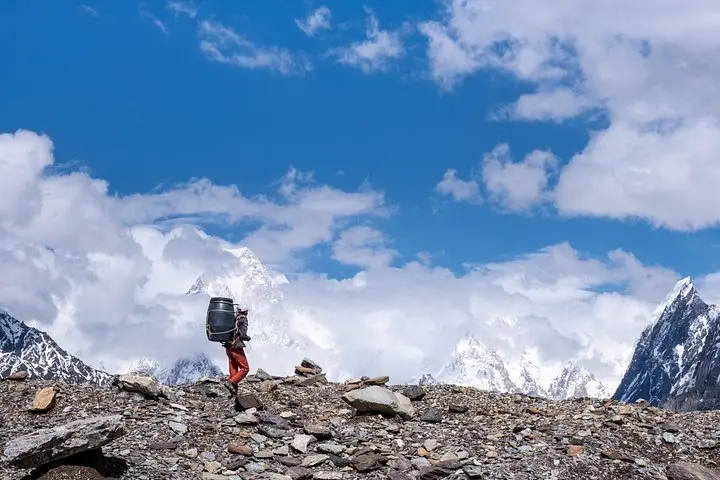
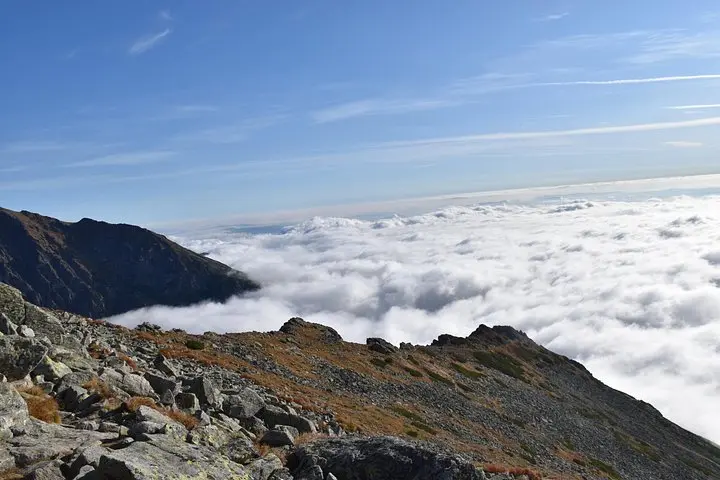
You set off before the day’s heat, shoulders squared beneath a wool sack, boots finding stone steps that climb into the High Tatras’ raw spine. Wind tugs at your pack as ridgelines slice the sky; the trail narrows and the alpine chalet waits like a checkpoint for endurance.
Verified experiences and guided adventures in the surrounding area.
Operated by Shepi · Tatranská Lomnica, Prešov Region
You set off before the day’s heat, shoulders squared beneath a wool sack, boots finding stone steps that climb into the High Tatras’ raw spine. Wind tugs at your pack as ridgelines slice the sky; the trail narrows and the alpine chalet waits like a checkpoint for endurance.
The High Tatras have long been a working landscape — shepherds, guides, and porters shaped paths where geology exposes granite faces and glacial cirques. The porter tradition is practical cultural history: human muscle bridging supply lines between valley villages and remote chalets. The rock here is young and jagged by European standards, carved by Pleistocene ice into sharp cols and steep gullies.
On this one-day challenge you’ll mirror that heritage. Routes vary: a full delivery to a chalet or a concentrated 200-meter carry from drop point, each demanding steady pacing and careful footwork over rocky, sometimes muddy terrain. The experience teaches load distribution, rhythm under weight, and the simple etiquette of mountain working life.
Practical guidance: train with loaded day hikes, break heavy loads into balanced parcels, and use a hip-belt to transfer weight. Start early to avoid afternoon storms common in summer, and layer for fast weather changes at altitude. Expect steep sections, loose scree, and occasional narrow paths where a steady center of gravity matters more than speed.
Finish with a hot snack at the chalet and a clearer sense of how people move goods through alpine country — exhaustion and reward braided together by the mountains’ uncompromising logic.
No — guides demonstrate techniques, but you should have prior hiking experience and be comfortable carrying weight on steep trails.
Participants should have a high level of fitness; those with heart, back, or pregnancy-related restrictions are advised not to join.
There are two variants: a full delivery up to the chalet for a longer carry, or a shorter 200‑meter transfer of fully loaded goods from a drop point.
The operator cancels in unsafe weather; confirm specific cancellation policies at booking and plan for an early start when conditions look unsettled.
Shepi operates guided outdoor trips and adventures with an emphasis on safety, stewardship, and memorable experiences.
You set off before the day’s heat, shoulders squared beneath a wool sack, boots finding stone steps that climb into the High Tatras’ raw spine. Wind tugs at your pack as ridgelines slice the sky; the trail narrows and the alpine chalet waits like a checkpoint for endurance.
You set off before the day’s heat, shoulders squared beneath a wool sack, boots finding stone steps that climb into the High Tatras’ raw spine. Wind tugs at your pack as ridgelines slice the sky; the trail narrows and the alpine chalet waits like a checkpoint for endurance.
The High Tatras have long been a working landscape — shepherds, guides, and porters shaped paths where geology exposes granite faces and glacial cirques. The porter tradition is practical cultural history: human muscle bridging supply lines between valley villages and remote chalets. The rock here is young and jagged by European standards, carved by Pleistocene ice into sharp cols and steep gullies.
On this one-day challenge you’ll mirror that heritage. Routes vary: a full delivery to a chalet or a concentrated 200-meter carry from drop point, each demanding steady pacing and careful footwork over rocky, sometimes muddy terrain. The experience teaches load distribution, rhythm under weight, and the simple etiquette of mountain working life.
Practical guidance: train with loaded day hikes, break heavy loads into balanced parcels, and use a hip-belt to transfer weight. Start early to avoid afternoon storms common in summer, and layer for fast weather changes at altitude. Expect steep sections, loose scree, and occasional narrow paths where a steady center of gravity matters more than speed.
Finish with a hot snack at the chalet and a clearer sense of how people move goods through alpine country — exhaustion and reward braided together by the mountains’ uncompromising logic.