THE ADVENTURE COLLECTIVE® · Independent discovery and booking for outdoor travel

A private round‑trip transfer links Portland International Airport (PDX) to The Summit at Snoqualmie with door‑to‑door service. Expect highway miles through the Cascades, weather‑aware timing, and vehicles that accommodate ski gear and child seats.
A private round‑trip transfer links Portland International Airport (PDX) to The Summit at Snoqualmie with door‑to‑door service. Expect highway miles through the Cascades, weather‑aware timing, and vehicles that accommodate ski gear and child seats.
You arrive at Portland International, luggage in hand, and a driver greets you with a nameplate. The city thins behind you, I‑5 folding into rural edges, and the road climbs toward the Cascades; by mid-drive the highway narrows and the wind begins to push—trees and rivers daring you to keep watch. The Summit at Snoqualmie sits atop I‑90 where snow collects early and the slopes open to four distinct areas—Summit West, Central, East and Alpental.
Verified experiences and guided adventures in the surrounding area.
Operated by taxiGo Limo Airport Service · Snoqualmie, Washington
You arrive at Portland International, luggage in hand, and a driver greets you with a nameplate. The city thins behind you, I‑5 folding into rural edges, and the road climbs toward the Cascades; by mid-drive the highway narrows and the wind begins to push—trees and rivers daring you to keep watch. The Summit at Snoqualmie sits atop I‑90 where snow collects early and the slopes open to four distinct areas—Summit West, Central, East and Alpental.
The pass lies on ancestral Snoqualmie land and on a corridor carved by ice and volcanic uplifts; the Cascade crest is geological theatre—steep ridgelines, glaciated bowls and fast rivers that drain toward Puget Sound. Culturally, the route connects Portland’s airport infrastructure to Washington’s winter-resort network and the commuter communities of North Bend and Snoqualmie.
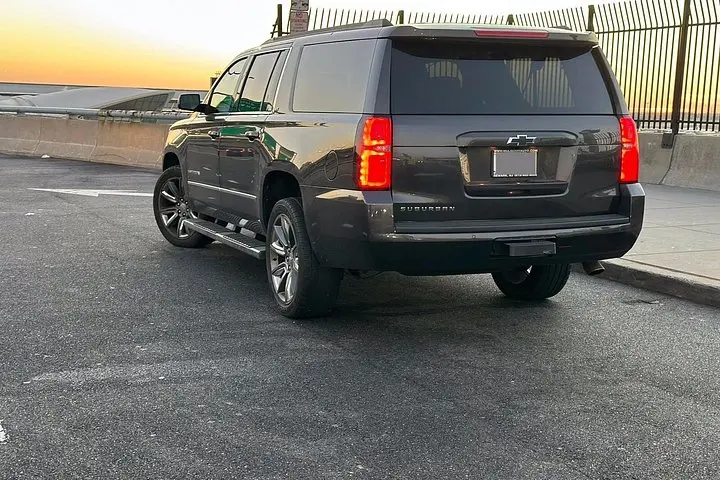
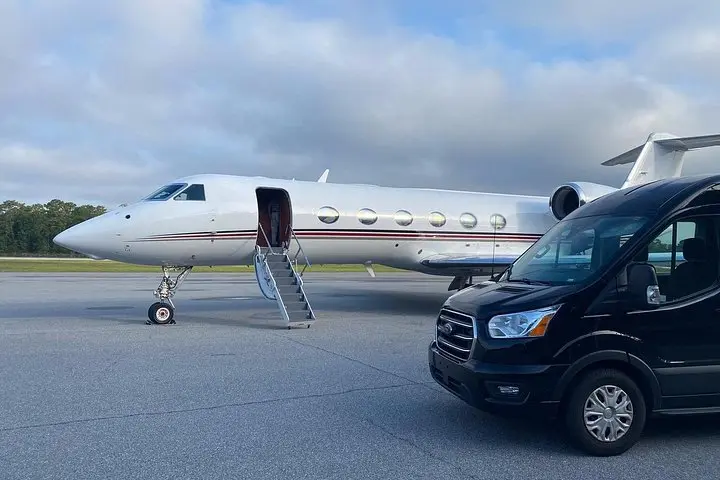
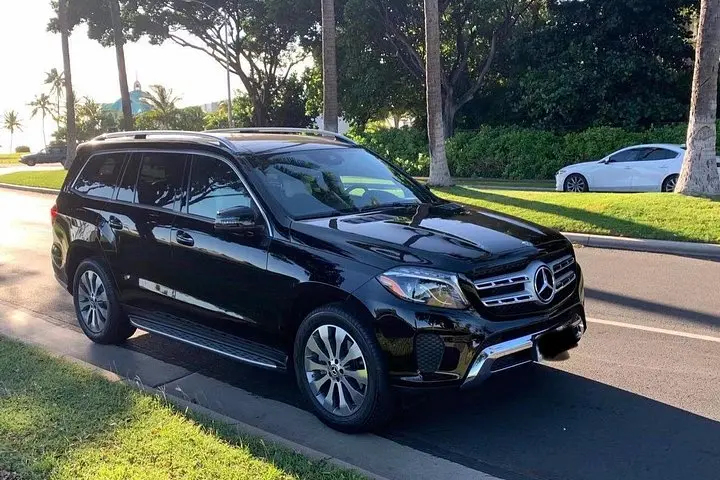
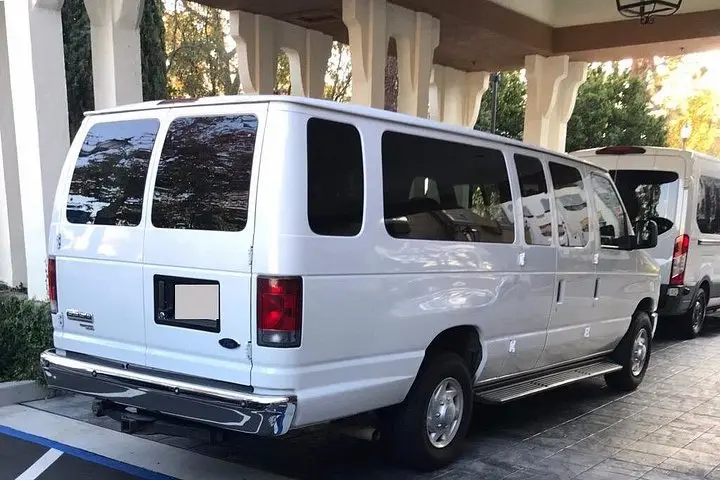
Practicalities rule a good transfer: expect roughly 175–190 miles one way and about 3 hours 15 minutes of driving each way on a clear day (this shared itinerary lists a 400‑minute round trip). Vehicles accommodate up to 15 passengers, with child seats on request; drivers monitor flights and meet you at arrivals. In winter, chains or traction tires are commonly required; even in shoulder seasons, weather can change fast and cell signal thins around the pass.
Plan for door‑to‑door timing rather than sightseeing stops if you’re on a flight schedule, keep layers and a charged phone accessible, and allow extra time for snow-control and convoy speeds. The transfer turns a long, mountain crossing into manageable travel—efficient, predictable, and tuned to ski-season realities.
Typical one‑way drive time is about 3 hours 15 minutes in good conditions; the listed round‑trip duration is 400 minutes (about 6 hours 40 minutes) to accommodate both legs and transfers.
Yes—child and infant seats are available on request; include ages and requirements when you book so the operator can provide the correct restraint.
Drivers monitor flight arrivals and will adjust pickup timing for delays, but you should still provide flight numbers and keep the operator informed of major changes.
In winter, Washington State may require chains or traction tires on I‑90 during storms—drivers typically comply with chain laws and advise passengers when conditions require them.
taxiGo Limo Airport Service operates guided outdoor trips and adventures with an emphasis on safety, stewardship, and memorable experiences.
You arrive at Portland International, luggage in hand, and a driver greets you with a nameplate. The city thins behind you, I‑5 folding into rural edges, and the road climbs toward the Cascades; by mid-drive the highway narrows and the wind begins to push—trees and rivers daring you to keep watch. The Summit at Snoqualmie sits atop I‑90 where snow collects early and the slopes open to four distinct areas—Summit West, Central, East and Alpental.
You arrive at Portland International, luggage in hand, and a driver greets you with a nameplate. The city thins behind you, I‑5 folding into rural edges, and the road climbs toward the Cascades; by mid-drive the highway narrows and the wind begins to push—trees and rivers daring you to keep watch. The Summit at Snoqualmie sits atop I‑90 where snow collects early and the slopes open to four distinct areas—Summit West, Central, East and Alpental.
The pass lies on ancestral Snoqualmie land and on a corridor carved by ice and volcanic uplifts; the Cascade crest is geological theatre—steep ridgelines, glaciated bowls and fast rivers that drain toward Puget Sound. Culturally, the route connects Portland’s airport infrastructure to Washington’s winter-resort network and the commuter communities of North Bend and Snoqualmie.
Practicalities rule a good transfer: expect roughly 175–190 miles one way and about 3 hours 15 minutes of driving each way on a clear day (this shared itinerary lists a 400‑minute round trip). Vehicles accommodate up to 15 passengers, with child seats on request; drivers monitor flights and meet you at arrivals. In winter, chains or traction tires are commonly required; even in shoulder seasons, weather can change fast and cell signal thins around the pass.
Plan for door‑to‑door timing rather than sightseeing stops if you’re on a flight schedule, keep layers and a charged phone accessible, and allow extra time for snow-control and convoy speeds. The transfer turns a long, mountain crossing into manageable travel—efficient, predictable, and tuned to ski-season realities.