THE ADVENTURE COLLECTIVE® · Independent discovery and booking for outdoor travel

Walk Munjoy Hill to the Old Port on a female-only bakery crawl that stitches together Portland’s best small-batch pastries, coffee, and coastal history. Expect 6–8 stops, 2.7 miles of mixed-terrain streets, and a pastry pro to lead the tastings.
Walk Munjoy Hill to the Old Port on a female-only bakery crawl that stitches together Portland’s best small-batch pastries, coffee, and coastal history. Expect 6–8 stops, 2.7 miles of mixed-terrain streets, and a pastry pro to lead the tastings.
You step off Munjoy Hill into a stretch of cobblestone that rattles like a memory underfoot — salt on the air, gulls arguing above, and the warm smell of butter and sugar guiding you down the street. The crawl threads six to eight small-batch bakeries and coffee shops between Munjoy Hill and the Old Port, each stop a focused moment of texture and flavor: flaky croissants, seasonal fruit tarts, and dense, molasses-rich brown breads that speak to Maine’s working-coast foodways.
Verified experiences and guided adventures in the surrounding area.
Operated by Sojourness · Portland, Maine
You step off Munjoy Hill into a stretch of cobblestone that rattles like a memory underfoot — salt on the air, gulls arguing above, and the warm smell of butter and sugar guiding you down the street. The crawl threads six to eight small-batch bakeries and coffee shops between Munjoy Hill and the Old Port, each stop a focused moment of texture and flavor: flaky croissants, seasonal fruit tarts, and dense, molasses-rich brown breads that speak to Maine’s working-coast foodways.
Portland’s waterfront history is plain in the brick warehouses and narrow alleys; this was a shipbuilding and trade hub whose supply chains shaped local baking traditions (rye, molasses, preserved fruit). The geology of the area — ledge outcrops and glacially scoured harbor — set the stage for a city that turned to fishing, milling, and eventually artisanal food production.
Your guide, a local pastry professional, mixes technique and context: why New England butter favors certain laminations, how seasonal blueberries and maple influence pastries, and which cafés roast beans to stand up to fortified desserts.
Practical guidance: expect about 2.7 miles of walking on a mix of sidewalk, cobble, and one or two short stair sections with minimal elevation change (Munjoy Hill rises gently). Bring comfortable shoes, dress in layers for coastal wind, and come hungry — portions are tasting-sized but deliberately filling. Tours run rain or shine; carry a lightweight rain layer and plan for a 3-hour window to move, sample, and linger. This is a social, food-focused walk designed for women and groups seeking an accessible, flavor-forward way to experience Portland by foot.
The route covers approximately 2.7 miles across cobblestone and sidewalks with a few short stair sections; expect 2.5–3 hours including tastings.
The tour regularly serves gluten, dairy, and eggs; notify the operator in advance and they can usually accommodate nut/tree-nut allergies if alerted early.
All food samples at each stop, one personal beverage from a designated coffee shop, bottled water, and a knowledgeable local pastry guide are included.
Yes — this specific experience is a female-only crawl designed for groups and individuals seeking a women-focused social outing.
Sojourness operates guided outdoor trips and adventures with an emphasis on safety, stewardship, and memorable experiences.
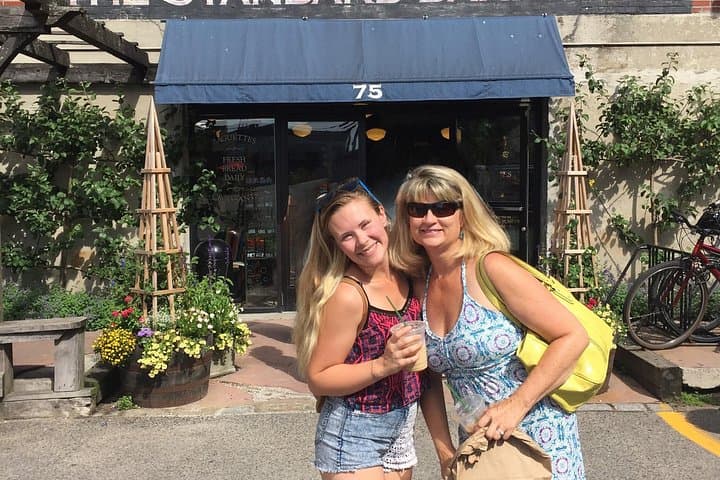

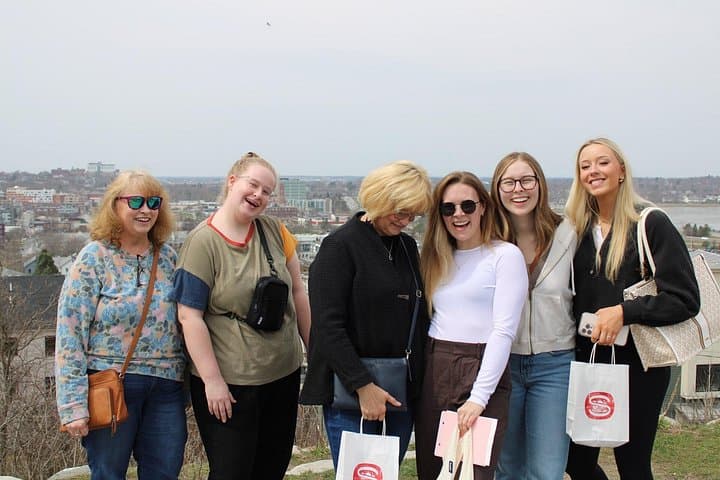
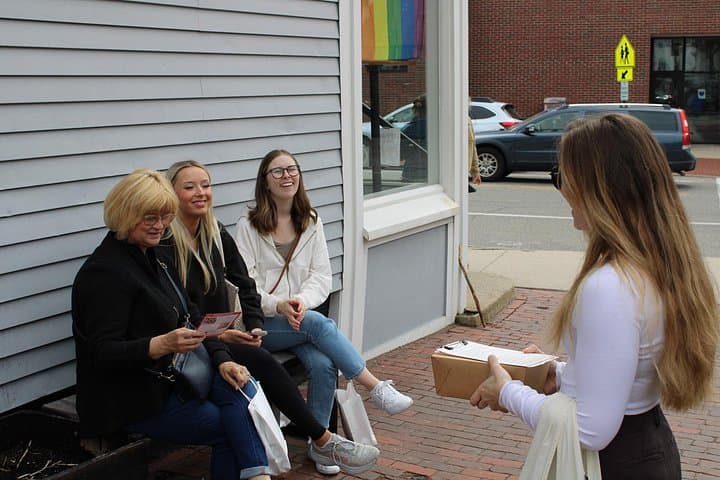
You step off Munjoy Hill into a stretch of cobblestone that rattles like a memory underfoot — salt on the air, gulls arguing above, and the warm smell of butter and sugar guiding you down the street. The crawl threads six to eight small-batch bakeries and coffee shops between Munjoy Hill and the Old Port, each stop a focused moment of texture and flavor: flaky croissants, seasonal fruit tarts, and dense, molasses-rich brown breads that speak to Maine’s working-coast foodways.
You step off Munjoy Hill into a stretch of cobblestone that rattles like a memory underfoot — salt on the air, gulls arguing above, and the warm smell of butter and sugar guiding you down the street. The crawl threads six to eight small-batch bakeries and coffee shops between Munjoy Hill and the Old Port, each stop a focused moment of texture and flavor: flaky croissants, seasonal fruit tarts, and dense, molasses-rich brown breads that speak to Maine’s working-coast foodways.
Portland’s waterfront history is plain in the brick warehouses and narrow alleys; this was a shipbuilding and trade hub whose supply chains shaped local baking traditions (rye, molasses, preserved fruit). The geology of the area — ledge outcrops and glacially scoured harbor — set the stage for a city that turned to fishing, milling, and eventually artisanal food production.
Your guide, a local pastry professional, mixes technique and context: why New England butter favors certain laminations, how seasonal blueberries and maple influence pastries, and which cafés roast beans to stand up to fortified desserts.
Practical guidance: expect about 2.7 miles of walking on a mix of sidewalk, cobble, and one or two short stair sections with minimal elevation change (Munjoy Hill rises gently). Bring comfortable shoes, dress in layers for coastal wind, and come hungry — portions are tasting-sized but deliberately filling. Tours run rain or shine; carry a lightweight rain layer and plan for a 3-hour window to move, sample, and linger. This is a social, food-focused walk designed for women and groups seeking an accessible, flavor-forward way to experience Portland by foot.