THE ADVENTURE COLLECTIVE® · Independent discovery and booking for outdoor travel

Board a purpose-built, wheelchair-accessible catamaran at Douro Marina and experience Porto and Vila Nova de Gaia from the river. This 2.5-hour tour blends accessible sailing with close-up views of bridges, wine cellars, and riverside architecture.
Board a purpose-built, wheelchair-accessible catamaran at Douro Marina and experience Porto and Vila Nova de Gaia from the river. This 2.5-hour tour blends accessible sailing with close-up views of bridges, wine cellars, and riverside architecture.
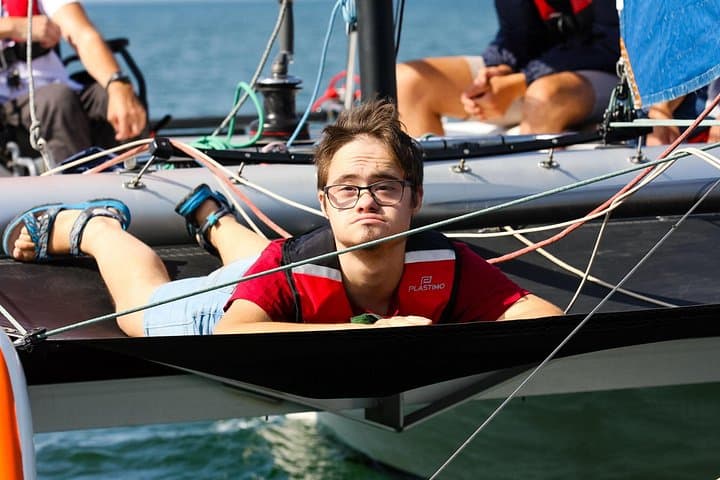
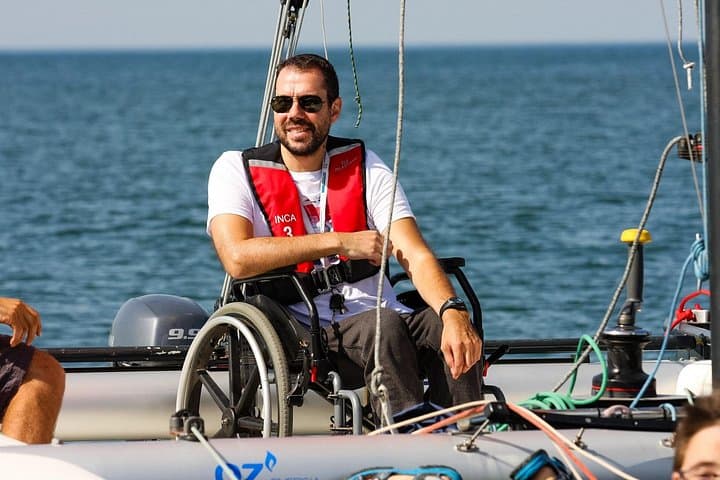
The catamaran slips away from Douro Marina and the city folds into broad river curves: tile-clad houses, steep quays, and the iron silhouette of Dom Luís I Bridge looming overhead. Onboard an INCA catamaran adapted for riders with mobility needs, passengers feel the river push the hull and the city breathe around them—salt, river traffic, and a soft Atlantic breeze.
Verified experiences and guided adventures in the surrounding area.
Operated by BBDouro · Porto, Porto
The catamaran slips away from Douro Marina and the city folds into broad river curves: tile-clad houses, steep quays, and the iron silhouette of Dom Luís I Bridge looming overhead. Onboard an INCA catamaran adapted for riders with mobility needs, passengers feel the river push the hull and the city breathe around them—salt, river traffic, and a soft Atlantic breeze.
The Douro has long been Portugal’s commercial spine; its banks grew the warehouses and cellars that made port wine a global trade. Geologically the river cuts through schist terraces upriver, but here at the estuary the water widens, carrying sediment and the history of two cities facing each other. Théophile Seyrig’s bridge and former commercial docks pass by as points of engineering and urban change, while the Gaia riverside keeps its cellars and working harbors.
Culturally the cruise is both sightseeing and a practical showcase of accessibility—ramps, space for wheelchairs and options to participate in sailing maneuvers give an active feel without demanding fitness.
Practical guidance: the tour lasts about 2.5 hours and meets at Gate D in Douro Marina; arrive 20 minutes early for boarding and accessibility checks. Wear layered, water-resistant clothes—spray and wind increase near the river mouth—and bring sun protection. Motion-sick passengers should plan accordingly; sea conditions can push the route closer to the ocean when weather allows. The operator limits four wheelchairs per booking; book early to secure accessible spaces. Expect steady, low-impact motion, frequent photo stops under the bridges, and the rare chance to take the helm under supervision.
Yes; the INCA catamaran is designed for people with mobility needs, with ramp access, designated wheelchair spaces and room for up to four wheelchairs per booking.
Yes; the tour invites participants to help with maneuvers and steering under crew supervision, adapted to each guest’s ability.
The tour operator cancels for unsafe conditions; you can receive a full refund if you cancel at least 24 hours prior or if the operator cancels due to weather.
Meet at Gate D at Douro Marina (Gate D) and aim to arrive 20 minutes before departure for boarding and safety briefings.
BBDouro operates guided outdoor trips and adventures with an emphasis on safety, stewardship, and memorable experiences.


The catamaran slips away from Douro Marina and the city folds into broad river curves: tile-clad houses, steep quays, and the iron silhouette of Dom Luís I Bridge looming overhead. Onboard an INCA catamaran adapted for riders with mobility needs, passengers feel the river push the hull and the city breathe around them—salt, river traffic, and a soft Atlantic breeze.
The catamaran slips away from Douro Marina and the city folds into broad river curves: tile-clad houses, steep quays, and the iron silhouette of Dom Luís I Bridge looming overhead. Onboard an INCA catamaran adapted for riders with mobility needs, passengers feel the river push the hull and the city breathe around them—salt, river traffic, and a soft Atlantic breeze.
The Douro has long been Portugal’s commercial spine; its banks grew the warehouses and cellars that made port wine a global trade. Geologically the river cuts through schist terraces upriver, but here at the estuary the water widens, carrying sediment and the history of two cities facing each other. Théophile Seyrig’s bridge and former commercial docks pass by as points of engineering and urban change, while the Gaia riverside keeps its cellars and working harbors.
Culturally the cruise is both sightseeing and a practical showcase of accessibility—ramps, space for wheelchairs and options to participate in sailing maneuvers give an active feel without demanding fitness.
Practical guidance: the tour lasts about 2.5 hours and meets at Gate D in Douro Marina; arrive 20 minutes early for boarding and accessibility checks. Wear layered, water-resistant clothes—spray and wind increase near the river mouth—and bring sun protection. Motion-sick passengers should plan accordingly; sea conditions can push the route closer to the ocean when weather allows. The operator limits four wheelchairs per booking; book early to secure accessible spaces. Expect steady, low-impact motion, frequent photo stops under the bridges, and the rare chance to take the helm under supervision.