THE ADVENTURE COLLECTIVE® · Independent discovery and booking for outdoor travel

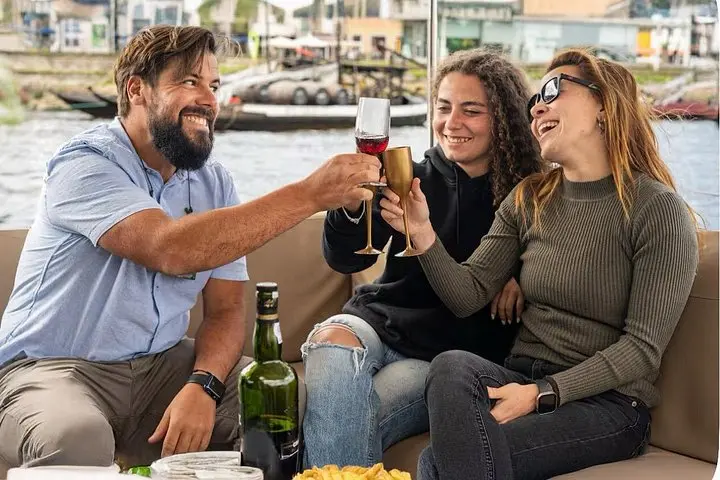
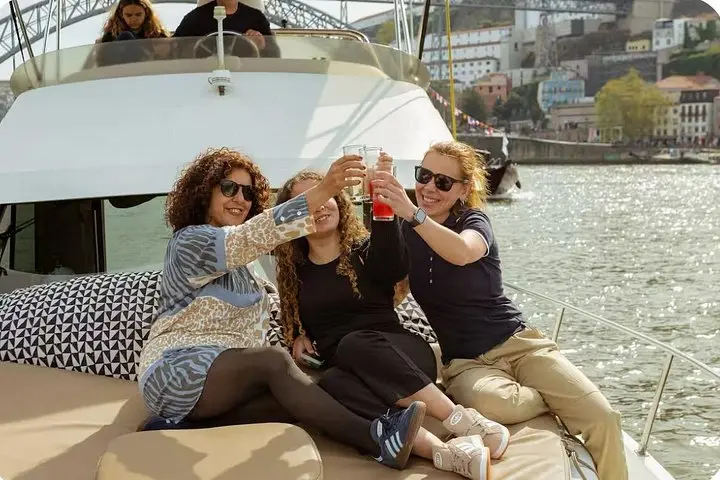
Float beneath Porto’s six bridges and sip four distinctive Ports while a local crew narrates the city’s maritime and wine history. This two-hour Douro cruise pairs easy sightseeing with guided tastings and unbeatable photo angles of the Ribeira and Gaia cellars.
Float beneath Porto’s six bridges and sip four distinctive Ports while a local crew narrates the city’s maritime and wine history. This two-hour Douro cruise pairs easy sightseeing with guided tastings and unbeatable photo angles of the Ribeira and Gaia cellars.
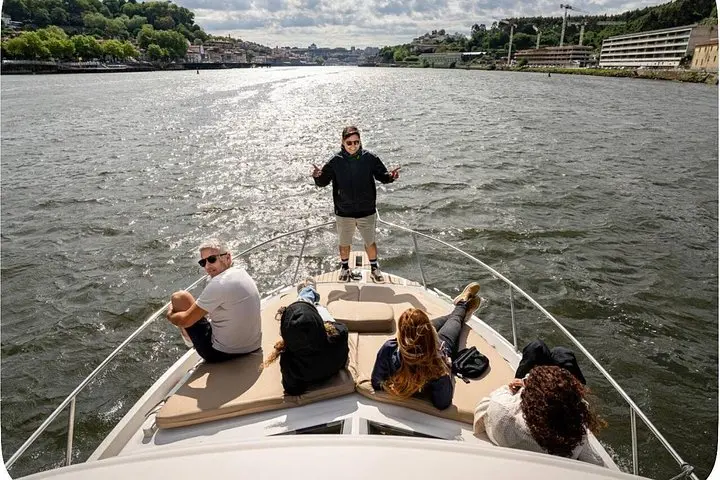
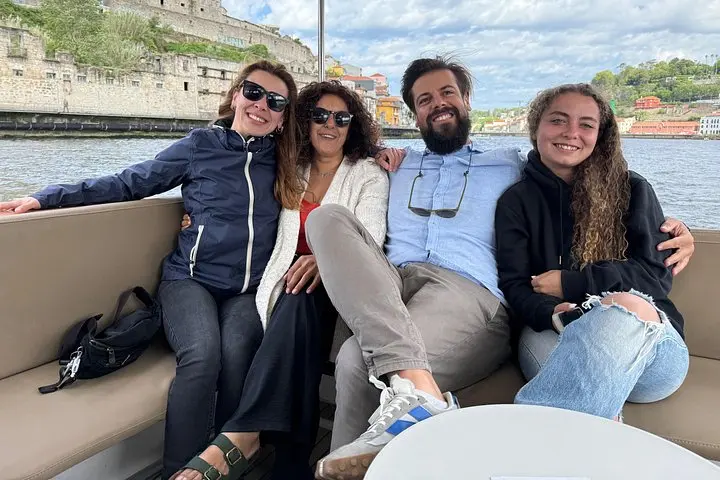
The Douro moves like a quiet conductor beneath Porto’s bridges, pushing the city’s colors past your bow as gulls wheel overhead. On a two-hour cruise from the Ribeira, the river frames terraces of wine lodges on the south bank, ironwork arches spanning limestone embankments, and the stacked façades of historic Porto sliding by in postcard-perfect sequence.
Verified experiences and guided adventures in the surrounding area.
Operated by LEÇAODOURO · Porto, Porto District
The Douro moves like a quiet conductor beneath Porto’s bridges, pushing the city’s colors past your bow as gulls wheel overhead. On a two-hour cruise from the Ribeira, the river frames terraces of wine lodges on the south bank, ironwork arches spanning limestone embankments, and the stacked façades of historic Porto sliding by in postcard-perfect sequence.
This short route follows a century of engineering and trade: from the wrought-iron work of the Eiffel-era bridge to mid-20th-century concrete spans, each structure tells part of Porto’s industrial and maritime story. Geologically, the Douro cuts through schist and granite before widening into the estuary here—an important channel that long carried Port barrels from inland quintas to the cellars of Vila Nova de Gaia. Culture is ever-present: fishermen, cellar workers, and street vendors share the shoreline rhythm while winemakers keep centuries-old techniques alive in plain sight.
Practical guidance: the tour lasts roughly 120 minutes and is low-impact—suitable for most travelers. Expect stable, sheltered conditions with plenty of photo opportunities; bring a light jacket against river breezes and a camera with a wide lens. Tastings include four Port styles, explained by the crew, who will also point out cellar façades and the best viewpoints for the Dom Luís I bridge.
Timing matters: late afternoon light highlights the terracotta roofs and sharpens architectural details. If you want to linger at a riverside tavern afterward, plan your return to the Ribeira with 30–45 minutes of extra time to disembark and explore on foot.
The cruise is approximately 120 minutes from boarding to return.
Yes — four Port wines are included and explained by the crew during the cruise.
Yes — it’s family-friendly, though infants must sit on an adult’s lap and tastings are for adults only.
The operator cancels for unsafe conditions and offers a full refund if cancelled at least 24 hours before departure.
LEÇAODOURO operates guided outdoor trips and adventures with an emphasis on safety, stewardship, and memorable experiences.
The Douro moves like a quiet conductor beneath Porto’s bridges, pushing the city’s colors past your bow as gulls wheel overhead. On a two-hour cruise from the Ribeira, the river frames terraces of wine lodges on the south bank, ironwork arches spanning limestone embankments, and the stacked façades of historic Porto sliding by in postcard-perfect sequence.
The Douro moves like a quiet conductor beneath Porto’s bridges, pushing the city’s colors past your bow as gulls wheel overhead. On a two-hour cruise from the Ribeira, the river frames terraces of wine lodges on the south bank, ironwork arches spanning limestone embankments, and the stacked façades of historic Porto sliding by in postcard-perfect sequence.
This short route follows a century of engineering and trade: from the wrought-iron work of the Eiffel-era bridge to mid-20th-century concrete spans, each structure tells part of Porto’s industrial and maritime story. Geologically, the Douro cuts through schist and granite before widening into the estuary here—an important channel that long carried Port barrels from inland quintas to the cellars of Vila Nova de Gaia. Culture is ever-present: fishermen, cellar workers, and street vendors share the shoreline rhythm while winemakers keep centuries-old techniques alive in plain sight.
Practical guidance: the tour lasts roughly 120 minutes and is low-impact—suitable for most travelers. Expect stable, sheltered conditions with plenty of photo opportunities; bring a light jacket against river breezes and a camera with a wide lens. Tastings include four Port styles, explained by the crew, who will also point out cellar façades and the best viewpoints for the Dom Luís I bridge.
Timing matters: late afternoon light highlights the terracotta roofs and sharpens architectural details. If you want to linger at a riverside tavern afterward, plan your return to the Ribeira with 30–45 minutes of extra time to disembark and explore on foot.