THE ADVENTURE COLLECTIVE® · Independent discovery and booking for outdoor travel

See Porto’s historic core and float under six iconic bridges on a traditional Rabelo boat, then sample Port at a Gaia cellar. This half-day tour pairs compact city sightseeing with a one-hour Douro cruise and a guided tasting—great for visitors short on time.
See Porto’s historic core and float under six iconic bridges on a traditional Rabelo boat, then sample Port at a Gaia cellar. This half-day tour pairs compact city sightseeing with a one-hour Douro cruise and a guided tasting—great for visitors short on time.
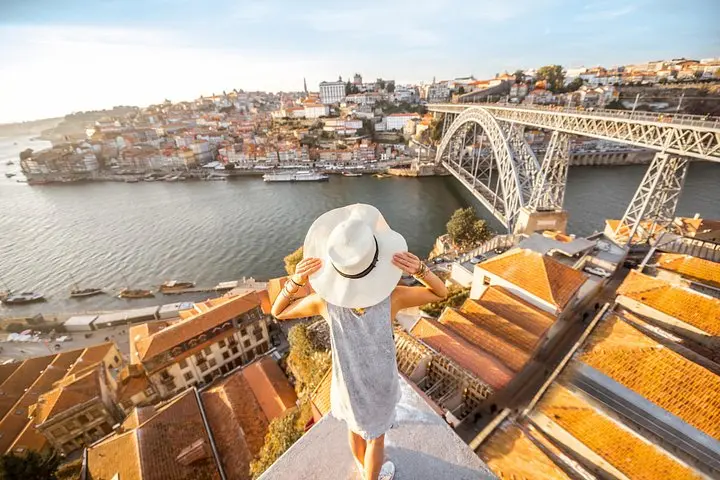
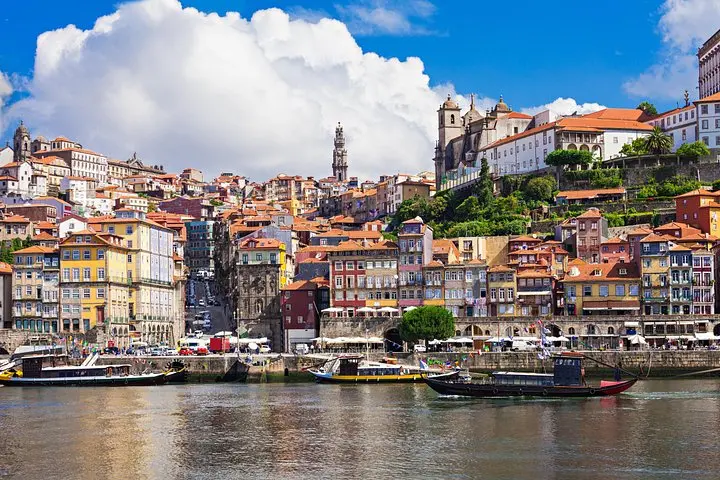
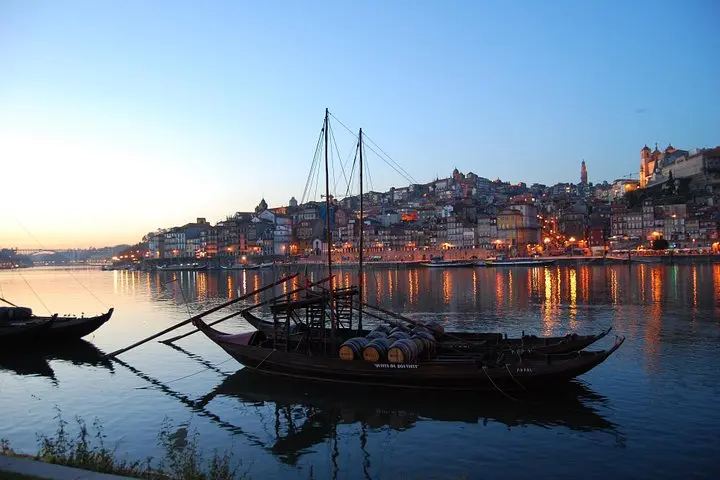
A morning in Porto begins with the city’s stone facades and tiled stations still cool from the night. You meet near São Bento, step aboard an air-conditioned minibus and move through narrow streets toward the river where the Douro pulls every view toward itself. The six metal and masonry spans that link Porto to Vila Nova de Gaia loom above the water like chapters in the city’s story; on the river a traditional Rabelo boat nudges close enough to feel the spray.
Verified experiences and guided adventures in the surrounding area.
Operated by Cityrama · Porto, Porto
A morning in Porto begins with the city’s stone facades and tiled stations still cool from the night. You meet near São Bento, step aboard an air-conditioned minibus and move through narrow streets toward the river where the Douro pulls every view toward itself. The six metal and masonry spans that link Porto to Vila Nova de Gaia loom above the water like chapters in the city’s story; on the river a traditional Rabelo boat nudges close enough to feel the spray.
Porto’s urban fabric grew from medieval trade and the heyday of the port wine industry—bridges and cellars followed the river’s curves. The Cathedral and Clérigos Tower speak to the city’s baroque and Romanesque past; the painted tiles of São Bento narrate scenes of Portugal’s history. The geology here is Atlantic-influenced: steep terraces dropping to the Douro, quarries that supplied stone for the city, and riverbanks that shaped trade routes.
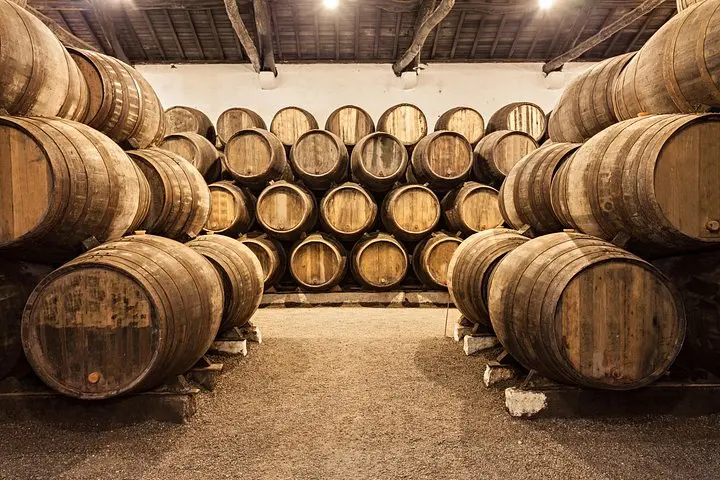
Culturally, wine and river work are still central—cellars in Gaia age tawny and vintage ports in oak while guides explain crus and grapes. Practicalities are straightforward: the tour includes a cellar visit with tasting and a one-hour Six Bridges cruise, moderate walking on cobbled streets, and bus transfers. Bring layered clothing for river breezes, comfortable shoes for uneven surfaces, and ID for tastings. Note seasonal limits—shorter daylight in winter can affect cruise timing.
The half-day format gives a concentrated introduction: city highlights, a sensory river run, and a curated port tasting—ideal for visitors who want historic context and a waterfront perspective without a full-day commitment.
Meet at the tourism office on Rua Mouzinho da Silveira 352–354, near São Bento train station; arrive 15 minutes early.
Yes; the traditional Rabelo boat cruise on the Douro is included and lasts about one hour.
A guided Port wine tasting at a Gaia cellar is included; bring valid photo ID for alcohol service.
The tour runs in most conditions, but between Nov 1 and Apr 1 afternoon cruises may be scheduled for the following day due to earlier river closures—check timing when booking.
Cityrama operates guided outdoor trips and adventures with an emphasis on safety, stewardship, and memorable experiences.
A morning in Porto begins with the city’s stone facades and tiled stations still cool from the night. You meet near São Bento, step aboard an air-conditioned minibus and move through narrow streets toward the river where the Douro pulls every view toward itself. The six metal and masonry spans that link Porto to Vila Nova de Gaia loom above the water like chapters in the city’s story; on the river a traditional Rabelo boat nudges close enough to feel the spray.
A morning in Porto begins with the city’s stone facades and tiled stations still cool from the night. You meet near São Bento, step aboard an air-conditioned minibus and move through narrow streets toward the river where the Douro pulls every view toward itself. The six metal and masonry spans that link Porto to Vila Nova de Gaia loom above the water like chapters in the city’s story; on the river a traditional Rabelo boat nudges close enough to feel the spray.
Porto’s urban fabric grew from medieval trade and the heyday of the port wine industry—bridges and cellars followed the river’s curves. The Cathedral and Clérigos Tower speak to the city’s baroque and Romanesque past; the painted tiles of São Bento narrate scenes of Portugal’s history. The geology here is Atlantic-influenced: steep terraces dropping to the Douro, quarries that supplied stone for the city, and riverbanks that shaped trade routes.
Culturally, wine and river work are still central—cellars in Gaia age tawny and vintage ports in oak while guides explain crus and grapes. Practicalities are straightforward: the tour includes a cellar visit with tasting and a one-hour Six Bridges cruise, moderate walking on cobbled streets, and bus transfers. Bring layered clothing for river breezes, comfortable shoes for uneven surfaces, and ID for tastings. Note seasonal limits—shorter daylight in winter can affect cruise timing.
The half-day format gives a concentrated introduction: city highlights, a sensory river run, and a curated port tasting—ideal for visitors who want historic context and a waterfront perspective without a full-day commitment.