THE ADVENTURE COLLECTIVE® · Independent discovery and booking for outdoor travel

Walk Porto’s UNESCO-listed streets from São Bento’s azulejos to Douro River viewpoints. This three-hour guided route mixes steep granite alleys, industrial-era bridges and a final port tasting overlooking the river.
Walk Porto’s UNESCO-listed streets from São Bento’s azulejos to Douro River viewpoints. This three-hour guided route mixes steep granite alleys, industrial-era bridges and a final port tasting overlooking the river.
You step off the tram into a narrow street where the city leans toward the river; granite steps slope down to the Douro and metal bridges span the water like industrial laces. The air smells faintly of sea and fermenting port, and the tiles on façades watch the flow of people as much as the tide.
Verified experiences and guided adventures in the surrounding area.
Operated by Shuttle Douro Tours · Porto, Porto
You step off the tram into a narrow street where the city leans toward the river; granite steps slope down to the Douro and metal bridges span the water like industrial laces. The air smells faintly of sea and fermenting port, and the tiles on façades watch the flow of people as much as the tide.
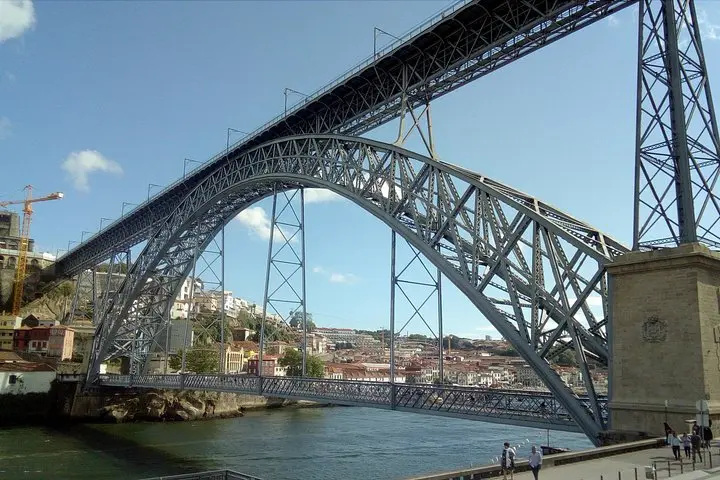
Porto’s historic center, a UNESCO World Heritage site since 1996, grew where the Douro meets the Atlantic. The uneven stone underfoot is local granite carved by centuries of commerce; azulejo panels at São Bento, Carmo and Carmelita map social and religious lives in blue and white. Bridges here tell engineering stories—from the 19th-century ironwork of Dom Luís I to broader concrete spans—and the riverside warehouses recall the city’s role in wine trade and shipbuilding.
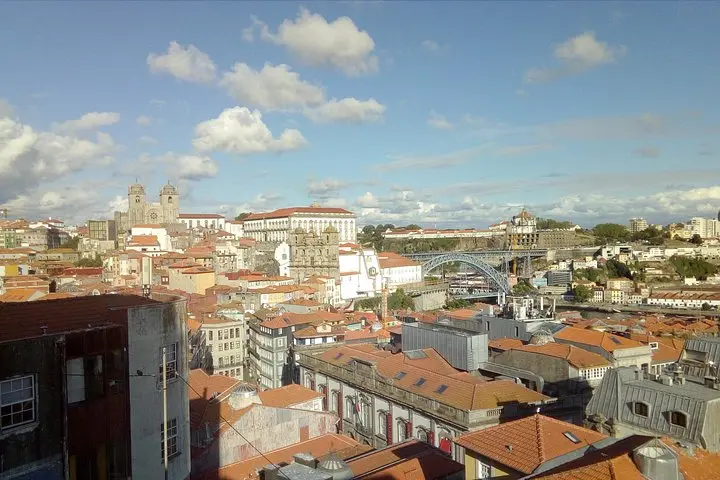
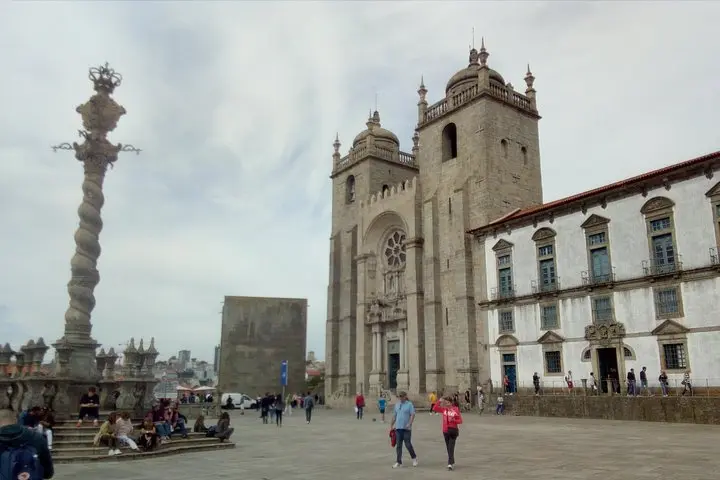
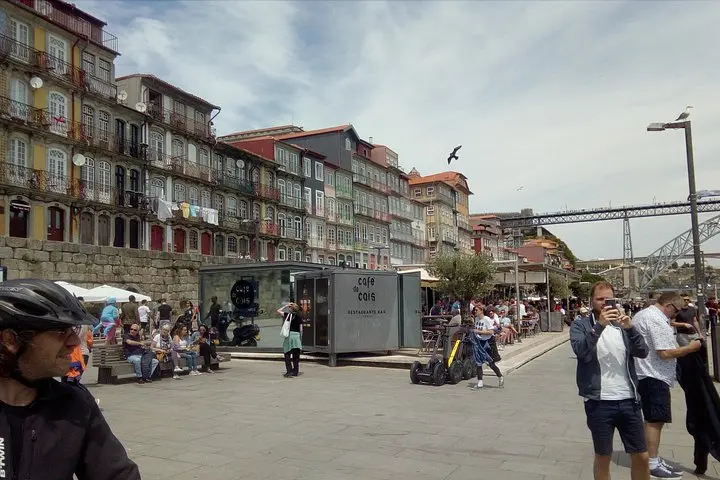
Walks route through medieval alleys, past viewpoints that frame the city’s stacked rooftops, and into plazas pulsing with vendors, tram bells and café conversation. Expect stair climbs and cobblestones; the most rewarding pauses are at small miradouros and a riverside terrace with a glass of port.
Practical details: tours typically cover 12,000–15,000 steps (roughly 8–12 km) over three hours with intermittent steep sections and many stairs. Wear grippy shoes, carry water and a light layer for breezes off the river. Morning or late-afternoon departures avoid the hottest sun and make for better light on tiles and bridges. Guides often adapt route to mobility needs, but some slopes are unavoidable. Bring a camera, comfortable legs and a readiness to follow narrow streets that open onto some of Europe’s most characterful viewpoints.
The standard tour lasts about three hours and covers roughly 12,000–15,000 steps (approximately 8–12 km), including many stair sections.
Yes—it's family-friendly and considered physically easy overall, but the route includes stairs and some steep streets; the guide can modify the walk to suit mobility needs.
This walking tour finishes with a port tasting overlooking the Douro but does not typically include cellar admissions inside Vila Nova de Gaia; check with the operator for optional cellar visits.
This particular activity is all sales final and non-refundable, so confirm plans before booking.
Shuttle Douro Tours operates guided outdoor trips and adventures with an emphasis on safety, stewardship, and memorable experiences.
You step off the tram into a narrow street where the city leans toward the river; granite steps slope down to the Douro and metal bridges span the water like industrial laces. The air smells faintly of sea and fermenting port, and the tiles on façades watch the flow of people as much as the tide.
You step off the tram into a narrow street where the city leans toward the river; granite steps slope down to the Douro and metal bridges span the water like industrial laces. The air smells faintly of sea and fermenting port, and the tiles on façades watch the flow of people as much as the tide.
Porto’s historic center, a UNESCO World Heritage site since 1996, grew where the Douro meets the Atlantic. The uneven stone underfoot is local granite carved by centuries of commerce; azulejo panels at São Bento, Carmo and Carmelita map social and religious lives in blue and white. Bridges here tell engineering stories—from the 19th-century ironwork of Dom Luís I to broader concrete spans—and the riverside warehouses recall the city’s role in wine trade and shipbuilding.
Walks route through medieval alleys, past viewpoints that frame the city’s stacked rooftops, and into plazas pulsing with vendors, tram bells and café conversation. Expect stair climbs and cobblestones; the most rewarding pauses are at small miradouros and a riverside terrace with a glass of port.
Practical details: tours typically cover 12,000–15,000 steps (roughly 8–12 km) over three hours with intermittent steep sections and many stairs. Wear grippy shoes, carry water and a light layer for breezes off the river. Morning or late-afternoon departures avoid the hottest sun and make for better light on tiles and bridges. Guides often adapt route to mobility needs, but some slopes are unavoidable. Bring a camera, comfortable legs and a readiness to follow narrow streets that open onto some of Europe’s most characterful viewpoints.