THE ADVENTURE COLLECTIVE® · Independent discovery and booking for outdoor travel

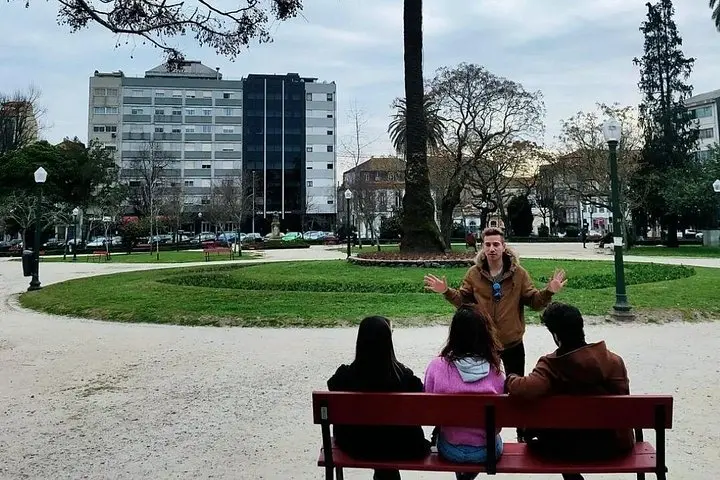
Walk Porto with a local queer guide who maps the city’s LGBTQIA+ history from the 1980s to today—ending at Miradouro das Virtudes for reflection and conversation. Expect intimate storytelling, bookshop stops, and civic landmarks.
Walk Porto with a local queer guide who maps the city’s LGBTQIA+ history from the 1980s to today—ending at Miradouro das Virtudes for reflection and conversation. Expect intimate storytelling, bookshop stops, and civic landmarks.
You step off the tram into Porto’s granite arteries and the city immediately speaks—graffiti, bookstores, and the Douro’s restless surface daring you toward the river.
Verified experiences and guided adventures in the surrounding area.
Operated by Ricardo Barros · Porto, Porto
You step off the tram into Porto’s granite arteries and the city immediately speaks—graffiti, bookstores, and the Douro’s restless surface daring you toward the river.
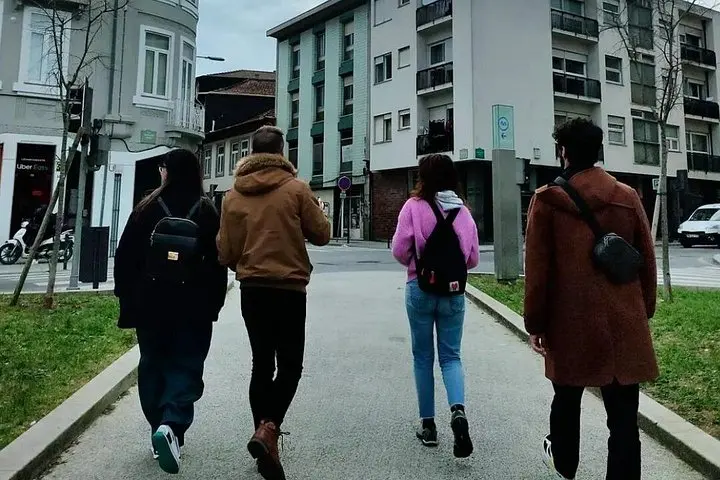
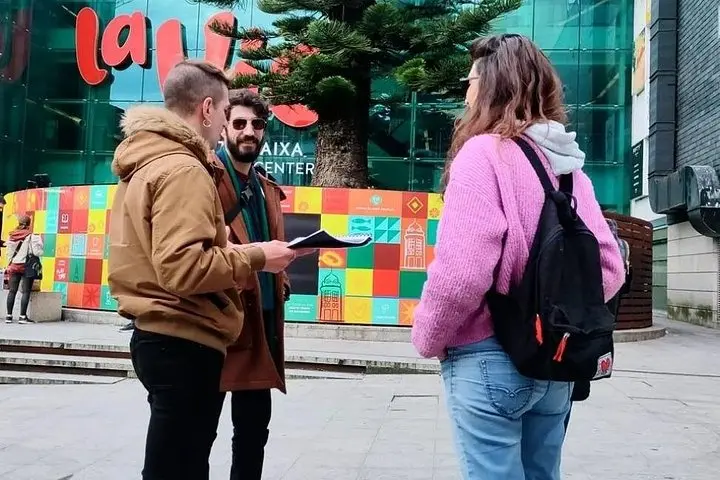
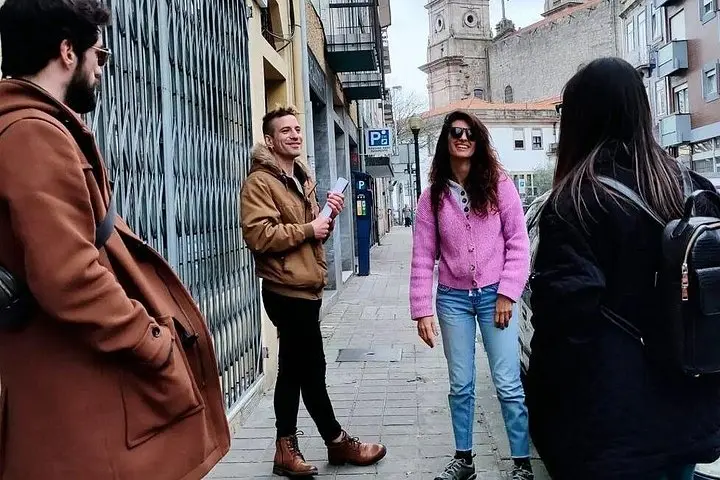
This three-hour queer walking tour threads together landmarks and everyday corners where Porto’s LGBTQIA+ story unfolded: the first pride route near Campo 24 de Agosto, the university corridors where attitudes shifted, a bookshop that became a community hub, the Tribunal da Relação where legal battles intersected public life, and finally Miradouro das Virtudes with its broad view over the Douro.
Geology and urban form shaped activism here: narrow, tiered streets funneled conversation and congregation; plazas offered stages. The narrative focuses on the arc from the 1980s—when visibility and risk coexisted—to the present day’s more open, yet still evolving, civic life. Local culture shows itself in small queer-owned cafés, independent bookshops, and student-led initiatives that keep memory alive.
Practically: expect a gentle, mostly paved route with stairs and cobbled sections; bring steady shoes and a light jacket for river breezes. The guide is a Porto native who combines lived experience with walking commentary—questions and conversation are built into the end-of-tour debrief at the Miradouro.
Timing matters: mornings are cooler and less crowded; evenings give the viewpoint a golden rinse. Public transport connects to the meeting point, and the tour encourages supporting local queer businesses encountered en route. For travelers looking for a culturally rich, low-impact way to understand Porto’s social evolution, this is a concise, human-led primer.
The tour lasts about three hours and covers roughly 2–3 miles on paved streets and some stair sections, with frequent stops for stories and discussion.
The route includes cobbled sections and stairs; contact the operator in advance to discuss accommodations or alternative meeting points.
Yes—content is historical and social; parents should consider whether in-depth discussions about activism and identity suit younger children.
Tours are typically offered in the advertised language; confirm at booking if you require another language or translation support.
Ricardo Barros operates guided outdoor trips and adventures with an emphasis on safety, stewardship, and memorable experiences.
You step off the tram into Porto’s granite arteries and the city immediately speaks—graffiti, bookstores, and the Douro’s restless surface daring you toward the river.
You step off the tram into Porto’s granite arteries and the city immediately speaks—graffiti, bookstores, and the Douro’s restless surface daring you toward the river.
This three-hour queer walking tour threads together landmarks and everyday corners where Porto’s LGBTQIA+ story unfolded: the first pride route near Campo 24 de Agosto, the university corridors where attitudes shifted, a bookshop that became a community hub, the Tribunal da Relação where legal battles intersected public life, and finally Miradouro das Virtudes with its broad view over the Douro.
Geology and urban form shaped activism here: narrow, tiered streets funneled conversation and congregation; plazas offered stages. The narrative focuses on the arc from the 1980s—when visibility and risk coexisted—to the present day’s more open, yet still evolving, civic life. Local culture shows itself in small queer-owned cafés, independent bookshops, and student-led initiatives that keep memory alive.
Practically: expect a gentle, mostly paved route with stairs and cobbled sections; bring steady shoes and a light jacket for river breezes. The guide is a Porto native who combines lived experience with walking commentary—questions and conversation are built into the end-of-tour debrief at the Miradouro.
Timing matters: mornings are cooler and less crowded; evenings give the viewpoint a golden rinse. Public transport connects to the meeting point, and the tour encourages supporting local queer businesses encountered en route. For travelers looking for a culturally rich, low-impact way to understand Porto’s social evolution, this is a concise, human-led primer.