THE ADVENTURE COLLECTIVE® · Independent discovery and booking for outdoor travel

Ride Porto's MagicTrain for a compact, 2‑hour loop of Romanesque monuments and a guided visit to a historic Port wine cellar. Includes two tastings, audio guide narration, and easy walking through cellars.
Ride Porto's MagicTrain for a compact, 2‑hour loop of Romanesque monuments and a guided visit to a historic Port wine cellar. Includes two tastings, audio guide narration, and easy walking through cellars.
A bell rings, the little tourist train eases away from the curb and the Douro leans in, as if to whisper the city's story. You roll past Romanesque façades and tiled shopfronts, the camera catching golden light on iron balconies while an audio guide threads historical context between cobbled turns.
Verified experiences and guided adventures in the surrounding area.
Operated by Magic Train · Porto, Porto District
A bell rings, the little tourist train eases away from the curb and the Douro leans in, as if to whisper the city's story. You roll past Romanesque façades and tiled shopfronts, the camera catching golden light on iron balconies while an audio guide threads historical context between cobbled turns.
Porto's skyline is a work of geology and human trade: granite outcrops, river terraces shaped by the Douro, and centuries of commerce that produced fortified Port wine stored in the cellars across the river in Vila Nova de Gaia. Those cellars—many established in the 18th and 19th centuries—hold barrels and stories: British merchants, export routes, and a wine style born of deliberate oxidation and high-alcohol fortification.
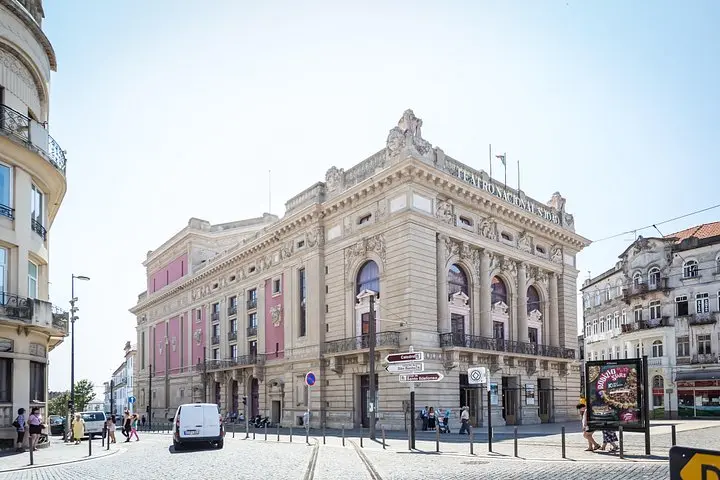
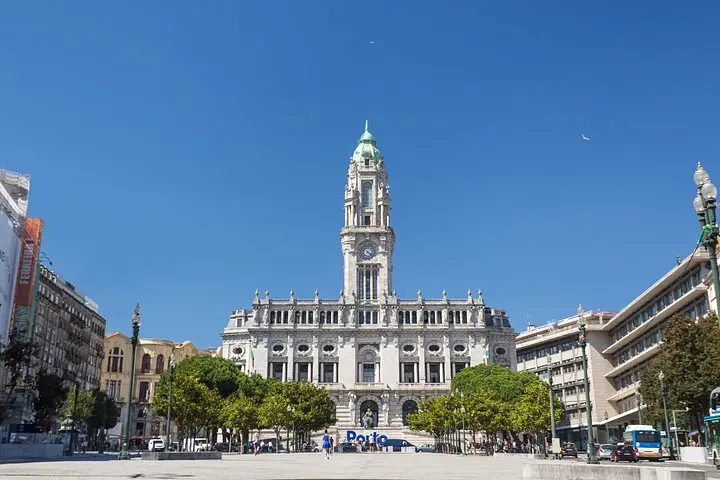
Culturally, the tour stitches monuments with local rhythms—S. Bento station's azulejos, Avenida dos Aliados' civic scale, and St. Catarina's lively shopping street. The tasting component introduces two classic Ports and a short guided explanation of styles: ruby, tawny, and the cellars' aging logic.
Practical guidance: the loop lasts about 1.5–2 hours with two pours included; arrive 10–15 minutes early, carry photo ID for tastings, and note that animals are welcome on the train but not inside the wine cellars. Wear comfortable walking shoes for short cellar steps and bring a light layer—cellars are cool. The tour suits most fitness levels and is a compact introduction to Porto's riverside heritage—efficient, sensory, and anchored by the river that keeps the city's trade and flavors moving.
The full experience runs about 100–120 minutes and includes two Port wine tastings at the cellar visit.
Children are allowed but must be accompanied by an adult; the train is stroller-accessible, though cellars may have steps where strollers need folding.
Service animals and pets are allowed on the train, but most Port wine cellars do not permit animals inside—plan accordingly.
Tours may operate with multi-lingual audio guides or guides; check booking details for available languages on your date.
Magic Train operates guided outdoor trips and adventures with an emphasis on safety, stewardship, and memorable experiences.
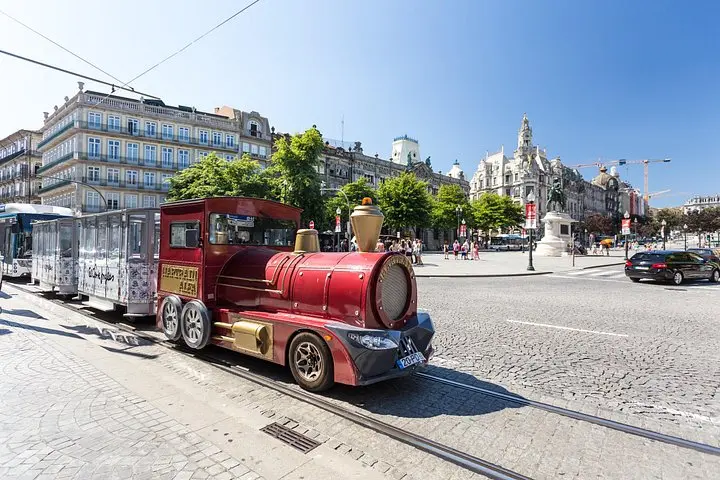
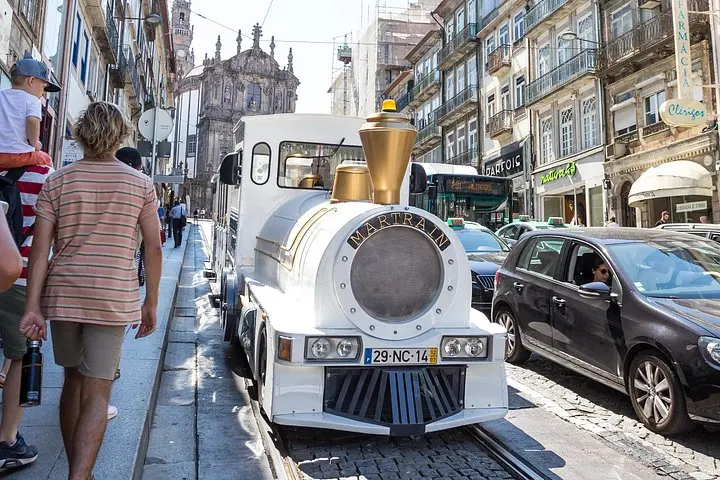
A bell rings, the little tourist train eases away from the curb and the Douro leans in, as if to whisper the city's story. You roll past Romanesque façades and tiled shopfronts, the camera catching golden light on iron balconies while an audio guide threads historical context between cobbled turns.
A bell rings, the little tourist train eases away from the curb and the Douro leans in, as if to whisper the city's story. You roll past Romanesque façades and tiled shopfronts, the camera catching golden light on iron balconies while an audio guide threads historical context between cobbled turns.
Porto's skyline is a work of geology and human trade: granite outcrops, river terraces shaped by the Douro, and centuries of commerce that produced fortified Port wine stored in the cellars across the river in Vila Nova de Gaia. Those cellars—many established in the 18th and 19th centuries—hold barrels and stories: British merchants, export routes, and a wine style born of deliberate oxidation and high-alcohol fortification.
Culturally, the tour stitches monuments with local rhythms—S. Bento station's azulejos, Avenida dos Aliados' civic scale, and St. Catarina's lively shopping street. The tasting component introduces two classic Ports and a short guided explanation of styles: ruby, tawny, and the cellars' aging logic.
Practical guidance: the loop lasts about 1.5–2 hours with two pours included; arrive 10–15 minutes early, carry photo ID for tastings, and note that animals are welcome on the train but not inside the wine cellars. Wear comfortable walking shoes for short cellar steps and bring a light layer—cellars are cool. The tour suits most fitness levels and is a compact introduction to Porto's riverside heritage—efficient, sensory, and anchored by the river that keeps the city's trade and flavors moving.