THE ADVENTURE COLLECTIVE® · Independent discovery and booking for outdoor travel

Explore Porto’s backstreets with an expat architect who reveals hidden viewpoints, local rituals and design details. This two‑hour private walk mixes history, tiled interiors and river panoramas before ending with a relaxed beer at sunset.
Explore Porto’s backstreets with an expat architect who reveals hidden viewpoints, local rituals and design details. This two‑hour private walk mixes history, tiled interiors and river panoramas before ending with a relaxed beer at sunset.
You step off the main avenue into a slice of Porto where cobbles slope and buildings lean like old friends. Narrow alleys funnel the aroma of espresso and baking bread; azulejo tiles glint at street level; the Douro waits below, its surface catching light between bridges. An expat guide who’s also an architect leads with quiet authority, pointing out design details and social quirks that most guidebooks skip.
Verified experiences and guided adventures in the surrounding area.
Operated by Porto Places · Porto, Porto District
You step off the main avenue into a slice of Porto where cobbles slope and buildings lean like old friends. Narrow alleys funnel the aroma of espresso and baking bread; azulejo tiles glint at street level; the Douro waits below, its surface catching light between bridges. An expat guide who’s also an architect leads with quiet authority, pointing out design details and social quirks that most guidebooks skip.
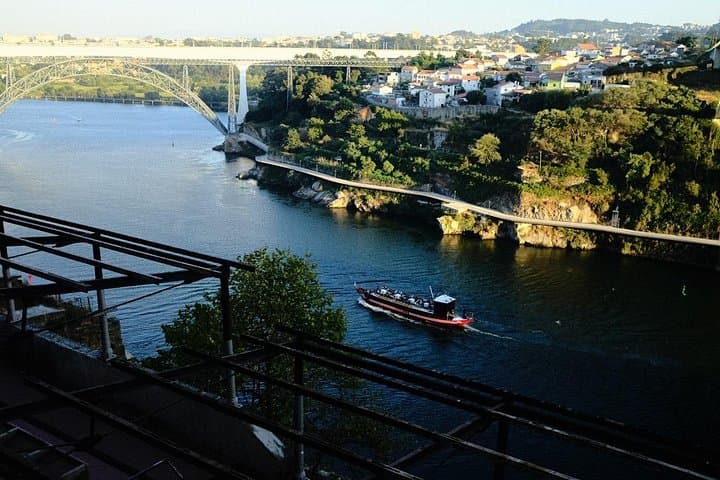
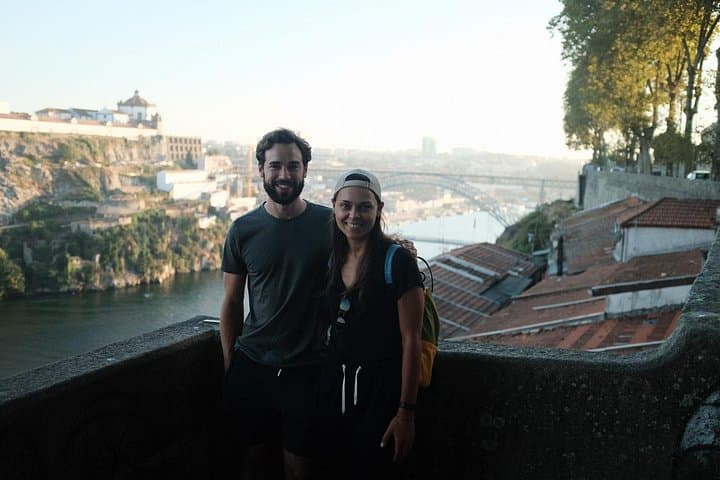
The walk threads past the twin churches of Igreja do Carmo and Igreja dos Carmelitas, where a famously narrow one‑meter house squeezes between them, then along Rua das Flores — a recently revived strip of shops and eateries — and the tiled grandeur of São Bento station. You pause at lesser-known miradouros to watch Vila Nova de Gaia and the iron ribs of the bridges frame the river. The tour ends at a low-key local hangout to sample a cold beer and a Western‑facing sunset.
Porto’s streets tell stories of maritime trade, granite construction and centuries of urban layering: the medieval core, the 18th–19th century expansion and the industrial riverfront now reborn as leisure. Geology matters here — the city sits on steep, ancient rock that shapes stairways and viewpoints.
Practical notes: this is a two‑hour, moderately paced urban walk on uneven cobbles and stairs. Expect short uphill sections and tight alleys. Bring sturdy shoes, a light layer for wind off the Douro, and a water bottle. Public transport is nearby if you need to shorten the route. Allow extra time if you want to linger at viewpoints or sample local snacks.
The meet point is in central Porto (details provided at booking); the route finishes at a relaxed riverside viewpoint popular with locals.
Yes for active children and mobile seniors, but the route includes stairs and cobbles so assess mobility and consider a shorter version if needed.
The tour includes a stop for coffee/tea and ends at a spot where you can buy a local beer; other tastings are at your expense and can be requested in advance.
The listed guide is an English‑speaking expat with deep local knowledge; confirm language needs when booking for other languages.
Porto Places operates guided outdoor trips and adventures with an emphasis on safety, stewardship, and memorable experiences.


You step off the main avenue into a slice of Porto where cobbles slope and buildings lean like old friends. Narrow alleys funnel the aroma of espresso and baking bread; azulejo tiles glint at street level; the Douro waits below, its surface catching light between bridges. An expat guide who’s also an architect leads with quiet authority, pointing out design details and social quirks that most guidebooks skip.
You step off the main avenue into a slice of Porto where cobbles slope and buildings lean like old friends. Narrow alleys funnel the aroma of espresso and baking bread; azulejo tiles glint at street level; the Douro waits below, its surface catching light between bridges. An expat guide who’s also an architect leads with quiet authority, pointing out design details and social quirks that most guidebooks skip.
The walk threads past the twin churches of Igreja do Carmo and Igreja dos Carmelitas, where a famously narrow one‑meter house squeezes between them, then along Rua das Flores — a recently revived strip of shops and eateries — and the tiled grandeur of São Bento station. You pause at lesser-known miradouros to watch Vila Nova de Gaia and the iron ribs of the bridges frame the river. The tour ends at a low-key local hangout to sample a cold beer and a Western‑facing sunset.
Porto’s streets tell stories of maritime trade, granite construction and centuries of urban layering: the medieval core, the 18th–19th century expansion and the industrial riverfront now reborn as leisure. Geology matters here — the city sits on steep, ancient rock that shapes stairways and viewpoints.
Practical notes: this is a two‑hour, moderately paced urban walk on uneven cobbles and stairs. Expect short uphill sections and tight alleys. Bring sturdy shoes, a light layer for wind off the Douro, and a water bottle. Public transport is nearby if you need to shorten the route. Allow extra time if you want to linger at viewpoints or sample local snacks.