THE ADVENTURE COLLECTIVE® · Independent discovery and booking for outdoor travel

Spend a full day exploring Portobelo's colonial forts, Afro-Panamanian culture and Caribbean beaches on a private tour from Panama City. Expect short walks through heritage sites, boat trips to reef beaches and time in mangrove estuaries.
Spend a full day exploring Portobelo's colonial forts, Afro-Panamanian culture and Caribbean beaches on a private tour from Panama City. Expect short walks through heritage sites, boat trips to reef beaches and time in mangrove estuaries.
You arrive by air-conditioned SUV after a coastal drive that eases out of Panama City's traffic and into heat, salt and wide Caribbean light. Portobelo's whitewashed forts crouch over the bay, cannons pointing like punctuation at the horizon, while mangrove channels and reef-fringed beaches invite slow exploration. The sea here moves with intention, pulling you toward estuaries and reef channels that change color with the angle of the sun.
Verified experiences and guided adventures in the surrounding area.
Operated by Los Angeles VIP Tours · Portobelo, Colón
You arrive by air-conditioned SUV after a coastal drive that eases out of Panama City's traffic and into heat, salt and wide Caribbean light. Portobelo's whitewashed forts crouch over the bay, cannons pointing like punctuation at the horizon, while mangrove channels and reef-fringed beaches invite slow exploration. The sea here moves with intention, pulling you toward estuaries and reef channels that change color with the angle of the sun.
This stretch of Colón was a linchpin of Spain's transatlantic trade. Forts built and rebuilt through the 17th and 18th centuries defended treasure convoys and now stand as weathered chapters in a UNESCO-listed complex. Geologically, the coastline is a mix of limestone outcrops, mangrove flats and coral reef patches; those reefs host schools of reef fish that animate the shallow water.
Local culture is unmistakable: Afro-Colon traditions, Congos processions and rhythms shaped by centuries of seafaring and resistance. Small fishing docks still unload catches the way they have for generations, and a modest museum records the region's role in the slave trade and Afro-Panamanian identity.
Practical guidance: expect a full-day private tour (about 8 hours) with short walks at forts, a museum stop, and boat time to beaches and Venas Azules estuary. Wear reef-safe sunscreen, quick-dry clothing and sturdy sandals or light shoes for uneven fort stones. Bring insect repellent for mangrove edges and a waterproof bag for electronics. Morning departures are cooler and give calmer seas for boat access; afternoons deliver softer light for photos. Guides typically provide bottled water and handle local logistics, leaving you to watch how the tide sketches new colors across the bay.
Typical drive time is about 1.5 hours each way depending on traffic; tours are scheduled as full-day experiences.
The itinerary includes stops at forts and a local museum; some entries are noted as admission included while others may be free, but confirm with the operator at booking.
Beaches and shallow reef flats are suitable for non-swimmers to wade and snorkel from shore, but boat access to reefs may require basic comfort on small boats.
Infants must sit on an adult's lap during vehicle transfer; the tour requires moderate mobility so very young children or those with limited mobility should be considered carefully.
Los Angeles VIP Tours operates guided outdoor trips and adventures with an emphasis on safety, stewardship, and memorable experiences.
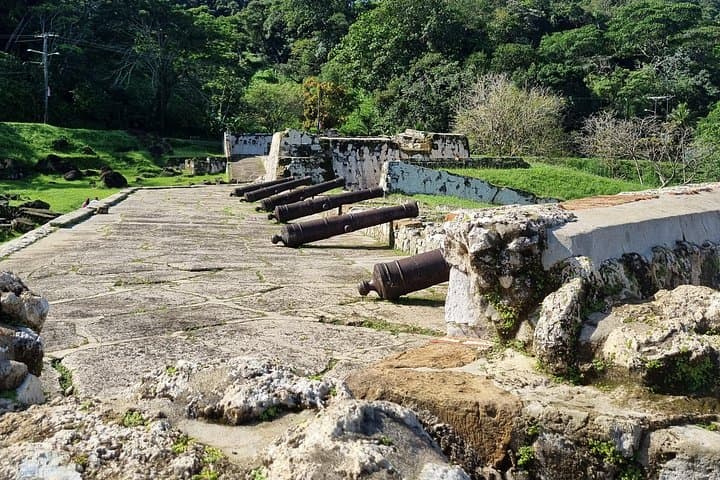
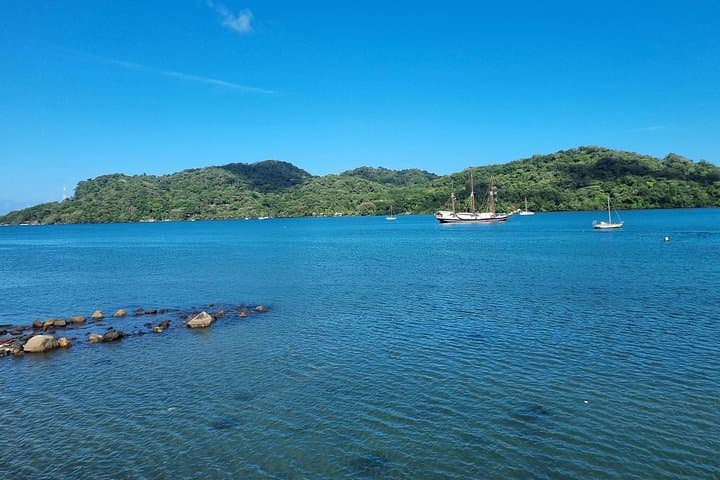
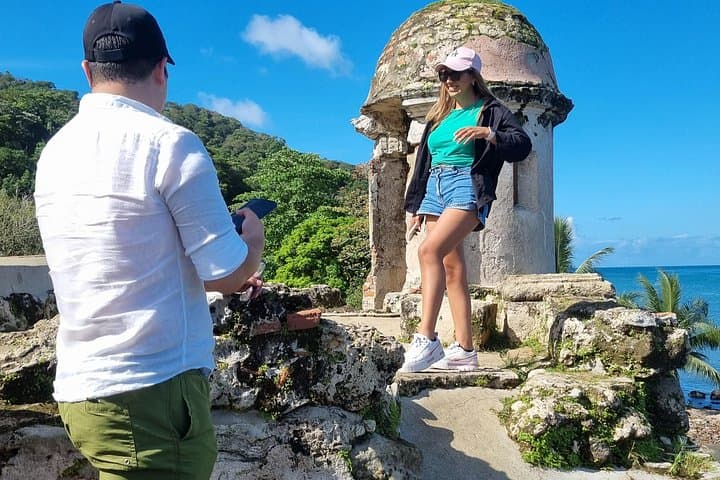
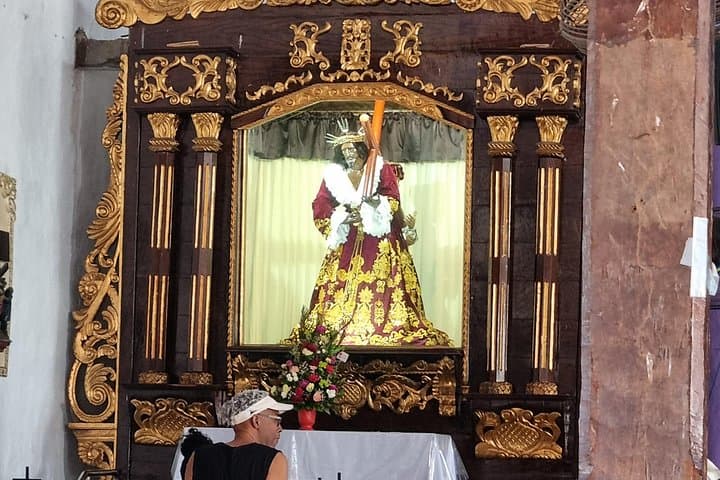
You arrive by air-conditioned SUV after a coastal drive that eases out of Panama City's traffic and into heat, salt and wide Caribbean light. Portobelo's whitewashed forts crouch over the bay, cannons pointing like punctuation at the horizon, while mangrove channels and reef-fringed beaches invite slow exploration. The sea here moves with intention, pulling you toward estuaries and reef channels that change color with the angle of the sun.
You arrive by air-conditioned SUV after a coastal drive that eases out of Panama City's traffic and into heat, salt and wide Caribbean light. Portobelo's whitewashed forts crouch over the bay, cannons pointing like punctuation at the horizon, while mangrove channels and reef-fringed beaches invite slow exploration. The sea here moves with intention, pulling you toward estuaries and reef channels that change color with the angle of the sun.
This stretch of Colón was a linchpin of Spain's transatlantic trade. Forts built and rebuilt through the 17th and 18th centuries defended treasure convoys and now stand as weathered chapters in a UNESCO-listed complex. Geologically, the coastline is a mix of limestone outcrops, mangrove flats and coral reef patches; those reefs host schools of reef fish that animate the shallow water.
Local culture is unmistakable: Afro-Colon traditions, Congos processions and rhythms shaped by centuries of seafaring and resistance. Small fishing docks still unload catches the way they have for generations, and a modest museum records the region's role in the slave trade and Afro-Panamanian identity.
Practical guidance: expect a full-day private tour (about 8 hours) with short walks at forts, a museum stop, and boat time to beaches and Venas Azules estuary. Wear reef-safe sunscreen, quick-dry clothing and sturdy sandals or light shoes for uneven fort stones. Bring insect repellent for mangrove edges and a waterproof bag for electronics. Morning departures are cooler and give calmer seas for boat access; afternoons deliver softer light for photos. Guides typically provide bottled water and handle local logistics, leaving you to watch how the tide sketches new colors across the bay.