THE ADVENTURE COLLECTIVE® · Independent discovery and booking for outdoor travel

Walk the final 100 km of the Portuguese Way from Tui to Santiago de Compostela on an organized 8-day itinerary with luggage transfer, breakfasts, and nightly hotel stays. Expect coastal estuaries, granite hills, and village rites of hospitality as you cover 15–24 km per day.
Walk the final 100 km of the Portuguese Way from Tui to Santiago de Compostela on an organized 8-day itinerary with luggage transfer, breakfasts, and nightly hotel stays. Expect coastal estuaries, granite hills, and village rites of hospitality as you cover 15–24 km per day.
The first morning in Tui finds you stepping off a stone bridge and into a cool, Atlantic-tinged air; the Miño River dares you to turn back, while cobbled alleys point forward. Day after day the route threads through eucalyptus-scented hills, salt-bright estuaries, and village plazas where locals still stamp pilgrim credentials with practiced hands.
Verified experiences and guided adventures in the surrounding area.
Operated by CAMINO DE SANTIAGO RESERVAS · Santiago de Compostela, Galicia
The first morning in Tui finds you stepping off a stone bridge and into a cool, Atlantic-tinged air; the Miño River dares you to turn back, while cobbled alleys point forward. Day after day the route threads through eucalyptus-scented hills, salt-bright estuaries, and village plazas where locals still stamp pilgrim credentials with practiced hands.
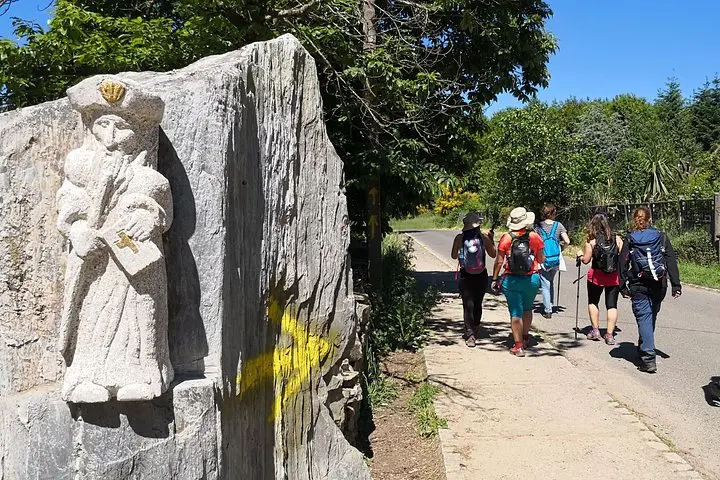
This last 100 km of the Portuguese Way is a living corridor of medieval devotion and modern foot travel. Pilgrims have walked these paths for a thousand years toward the Cathedral of Santiago — the road shapes towns and trade, while geology quietly shifts from river terraces to low, rounded granite hills carved by millennia of rain and wind. Galician culture is present in stone churches, seafood taverns, and small town festivals; savor the pulpo and the local pimientos as much as the views.
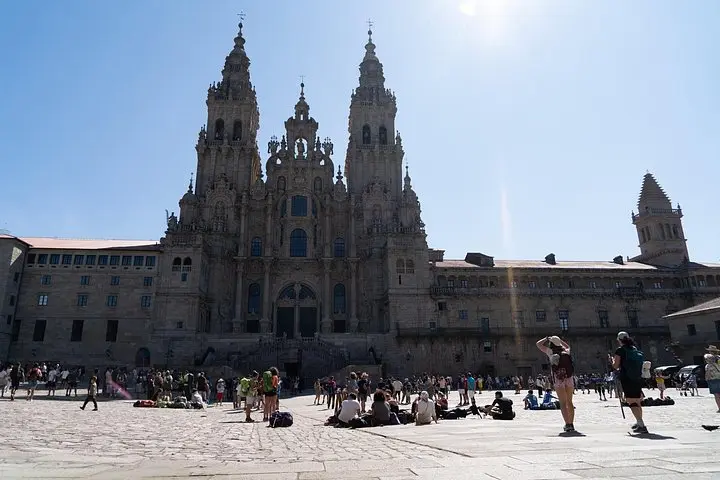
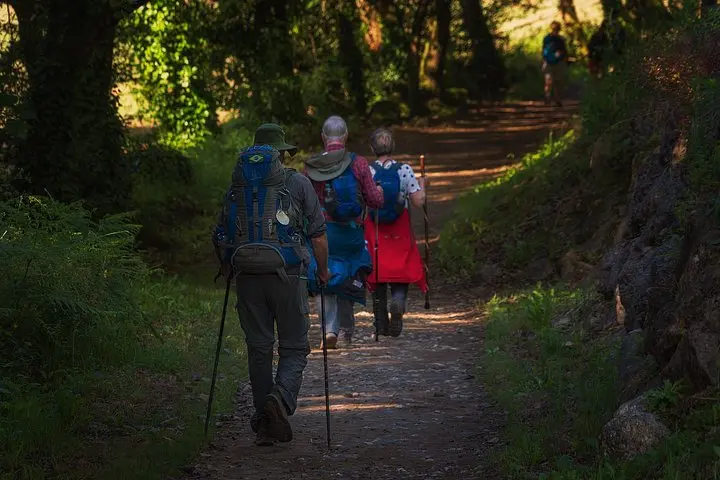
Practically, this packaged itinerary spaces stages between roughly 15 and 24 km daily, with luggage transfer and overnight rooms in hotels and rural houses. Walkers should expect varied terrain: paved lanes, forest tracks, short climbs, and sometimes muddy stretches after rain. Start early to avoid afternoon rain and crowds, carry a lightweight daypack, and use the provided pilgrim credential to collect stamps en route. Hydrate regularly, protect feet against friction, and let village cafés mark your progress — the road will reward steady, sensible pace with arrival at the Obradoiro and the cathedral that finishes the journey.
Yes — this itinerary includes daily luggage transport so you walk unburdened and collect your bag at each accommodation.
You will receive an official pilgrim credential at the start; collect stamps at each stage and present it in Santiago to apply for the Compostela if you meet the requirements.
A moderate fitness level is required: regular walkers who can cover consecutive days of 15–25 km will be comfortable on this tour.
Late spring and early fall combine milder weather and fewer crowds, though summer offers the longest daylight for walking.
CAMINO DE SANTIAGO RESERVAS operates guided outdoor trips and adventures with an emphasis on safety, stewardship, and memorable experiences.
The first morning in Tui finds you stepping off a stone bridge and into a cool, Atlantic-tinged air; the Miño River dares you to turn back, while cobbled alleys point forward. Day after day the route threads through eucalyptus-scented hills, salt-bright estuaries, and village plazas where locals still stamp pilgrim credentials with practiced hands.
The first morning in Tui finds you stepping off a stone bridge and into a cool, Atlantic-tinged air; the Miño River dares you to turn back, while cobbled alleys point forward. Day after day the route threads through eucalyptus-scented hills, salt-bright estuaries, and village plazas where locals still stamp pilgrim credentials with practiced hands.
This last 100 km of the Portuguese Way is a living corridor of medieval devotion and modern foot travel. Pilgrims have walked these paths for a thousand years toward the Cathedral of Santiago — the road shapes towns and trade, while geology quietly shifts from river terraces to low, rounded granite hills carved by millennia of rain and wind. Galician culture is present in stone churches, seafood taverns, and small town festivals; savor the pulpo and the local pimientos as much as the views.
Practically, this packaged itinerary spaces stages between roughly 15 and 24 km daily, with luggage transfer and overnight rooms in hotels and rural houses. Walkers should expect varied terrain: paved lanes, forest tracks, short climbs, and sometimes muddy stretches after rain. Start early to avoid afternoon rain and crowds, carry a lightweight daypack, and use the provided pilgrim credential to collect stamps en route. Hydrate regularly, protect feet against friction, and let village cafés mark your progress — the road will reward steady, sensible pace with arrival at the Obradoiro and the cathedral that finishes the journey.