THE ADVENTURE COLLECTIVE® · Independent discovery and booking for outdoor travel

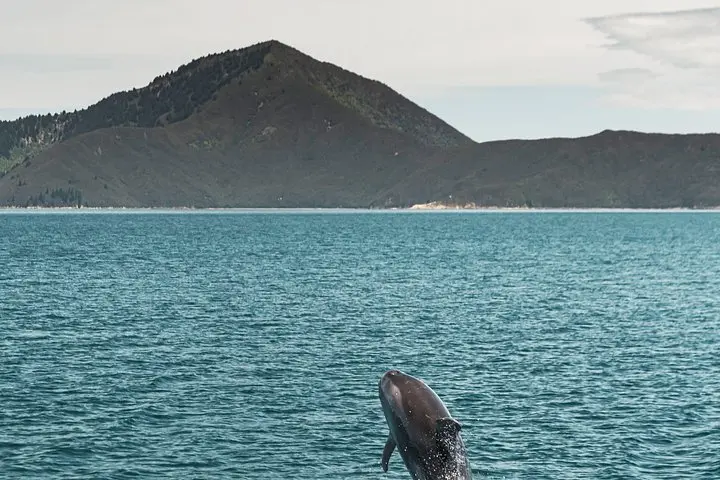
Board the Pelorus Mail Boat for a six-hour mail-boat cruise from Havelock into the Marlborough Sounds, including a 45-minute native-bush walk, farm visit at Hopai Bay and optional Te Rawa Lodge lunch and wine tasting. A hands-on day that blends coastal landscapes, local stories and practical outdoor time.
Board the Pelorus Mail Boat for a six-hour mail-boat cruise from Havelock into the Marlborough Sounds, including a 45-minute native-bush walk, farm visit at Hopai Bay and optional Te Rawa Lodge lunch and wine tasting. A hands-on day that blends coastal landscapes, local stories and practical outdoor time.
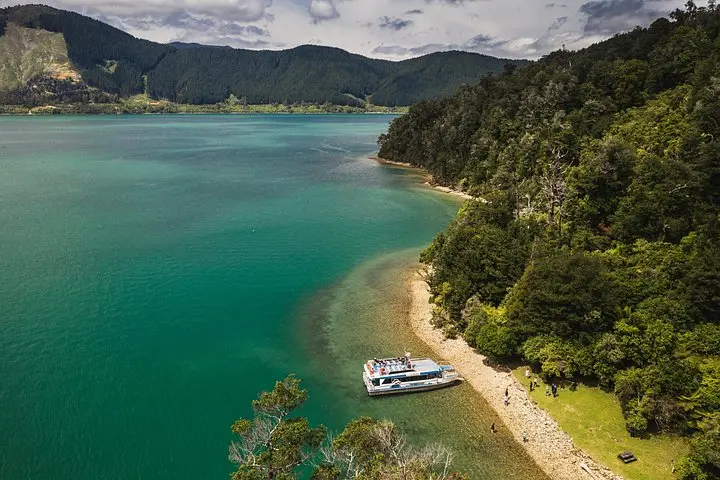
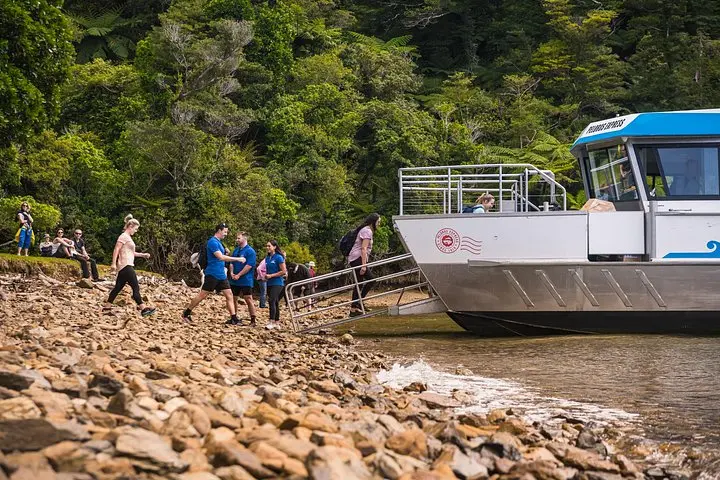
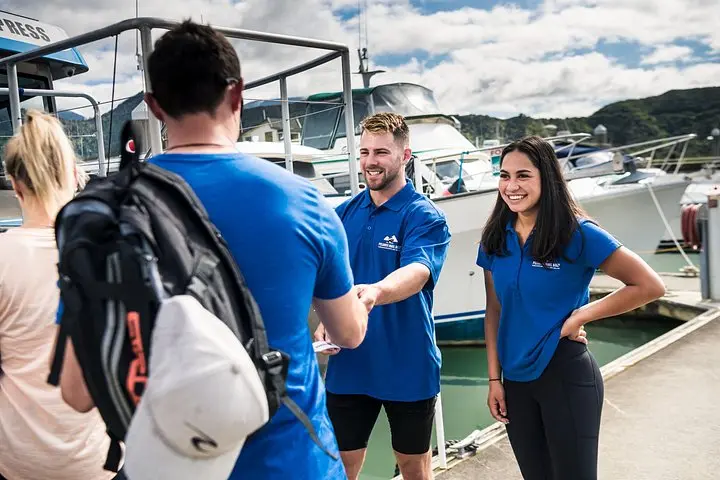
The Pelorus Mail Boat eases away from Pier B, Havelock, and the town’s red-roofed sheds shrink into a map of pontoons and river flats. Salt air threads through pōhutukawa branches as the skipper picks a steady course into a knuckled coastline of coves and headlands. Forty-five minutes into the run you step off for a short bush walk through Dillon Bell Reserve — a moss-soft path under rimu and kanuka where the forest seems to breathe, and the sound of the tide at the inlet dares you to look up from the ferns.
Verified experiences and guided adventures in the surrounding area.
Operated by Pelorus Mail Boat · Havelock, Marlborough
The Pelorus Mail Boat eases away from Pier B, Havelock, and the town’s red-roofed sheds shrink into a map of pontoons and river flats. Salt air threads through pōhutukawa branches as the skipper picks a steady course into a knuckled coastline of coves and headlands. Forty-five minutes into the run you step off for a short bush walk through Dillon Bell Reserve — a moss-soft path under rimu and kanuka where the forest seems to breathe, and the sound of the tide at the inlet dares you to look up from the ferns.
This is not a luxury cruise so much as a working-mail-boat day out, a route that has stitched together communities of the Marlborough Sounds since settlers and Māori used these waterways to connect remote bays. The geology here is coastal schist and sediment folded and faulted into drowned river valleys; the result is a labyrinth of sheltered arms and steep shorelines that catch rain and keep the vegetation lush. Local families—like the Gerards at Hopai Bay Farm—have been shaping these slopes for generations, trading the occasional sheep for garden experiments in soils described by locals as low in fertility but high in possibility.
Onshore, the farm feels lived-in: boats hauled on racks, a compost heap at attention, and garden beds where exotic subtropicals edge into native scrub. Your crew shares practical lore—where to find pipi beds, why some bays were chosen for quarantine stations, and what it takes to run a farm when the nearest supermarket is another tide away. You can choose a farm picnic with treasures from the foreshore, or dock at Te Rawa Lodge for a cooked lunch. Add a $20 wine tasting and the day becomes a compact primer on local produce, both marine and viticultural.
Practicalities are simple: the trip is six hours long, suitable for all fitness levels, and runs from the Pelorus Mail Boat office a short walk from Havelock's main street and State Highway 6. The bush walk is about 45 minutes, mostly well-formed track but wet in winter—good boots matter. Children and small strollers are accepted, but review the operator's swimming waiver if you plan to swim from shore. Bring layers, rain protection, insect repellent and a refillable water bottle; the Sounds are changeable and the ship offers hot drinks.
By afternoon you’re back at the marina with the smell of seaweed still clinging to your jacket, having traded a morning of sheltered cruising for afternoon stories of island gardens and mail runs. It’s the kind of day that leaves you with a clearer sense of how coastal communities survive and thrive here—slow, weather-led, and undeniably maritime.
The tour runs approximately six hours, returning to Pier B in Havelock.
You can purchase lunch at Te Rawa Lodge or bring your own picnic to enjoy at Hopai Bay Farm—both options can't be combined.
Swimming may be possible at some stops but you must review and acknowledge the operator's swimming waiver before travel.
Yes—the 45-minute Dillon Bell Reserve walk is family-friendly, though parents should expect uneven, sometimes muddy terrain.
The Pelorus Mail Boat is equipped for day cruises, including onboard facilities; also plan for limited services at remote landings.
Wine tasting is an optional add-on available for an extra charge, payable on the day (typically around $20).
Pelorus Mail Boat operates guided outdoor trips and adventures with an emphasis on safety, stewardship, and memorable experiences.
The Pelorus Mail Boat eases away from Pier B, Havelock, and the town’s red-roofed sheds shrink into a map of pontoons and river flats. Salt air threads through pōhutukawa branches as the skipper picks a steady course into a knuckled coastline of coves and headlands. Forty-five minutes into the run you step off for a short bush walk through Dillon Bell Reserve — a moss-soft path under rimu and kanuka where the forest seems to breathe, and the sound of the tide at the inlet dares you to look up from the ferns.
The Pelorus Mail Boat eases away from Pier B, Havelock, and the town’s red-roofed sheds shrink into a map of pontoons and river flats. Salt air threads through pōhutukawa branches as the skipper picks a steady course into a knuckled coastline of coves and headlands. Forty-five minutes into the run you step off for a short bush walk through Dillon Bell Reserve — a moss-soft path under rimu and kanuka where the forest seems to breathe, and the sound of the tide at the inlet dares you to look up from the ferns.
This is not a luxury cruise so much as a working-mail-boat day out, a route that has stitched together communities of the Marlborough Sounds since settlers and Māori used these waterways to connect remote bays. The geology here is coastal schist and sediment folded and faulted into drowned river valleys; the result is a labyrinth of sheltered arms and steep shorelines that catch rain and keep the vegetation lush. Local families—like the Gerards at Hopai Bay Farm—have been shaping these slopes for generations, trading the occasional sheep for garden experiments in soils described by locals as low in fertility but high in possibility.
Onshore, the farm feels lived-in: boats hauled on racks, a compost heap at attention, and garden beds where exotic subtropicals edge into native scrub. Your crew shares practical lore—where to find pipi beds, why some bays were chosen for quarantine stations, and what it takes to run a farm when the nearest supermarket is another tide away. You can choose a farm picnic with treasures from the foreshore, or dock at Te Rawa Lodge for a cooked lunch. Add a $20 wine tasting and the day becomes a compact primer on local produce, both marine and viticultural.
Practicalities are simple: the trip is six hours long, suitable for all fitness levels, and runs from the Pelorus Mail Boat office a short walk from Havelock's main street and State Highway 6. The bush walk is about 45 minutes, mostly well-formed track but wet in winter—good boots matter. Children and small strollers are accepted, but review the operator's swimming waiver if you plan to swim from shore. Bring layers, rain protection, insect repellent and a refillable water bottle; the Sounds are changeable and the ship offers hot drinks.
By afternoon you’re back at the marina with the smell of seaweed still clinging to your jacket, having traded a morning of sheltered cruising for afternoon stories of island gardens and mail runs. It’s the kind of day that leaves you with a clearer sense of how coastal communities survive and thrive here—slow, weather-led, and undeniably maritime.