THE ADVENTURE COLLECTIVE® · Independent discovery and booking for outdoor travel

Ride a train into a two‑million‑year‑old cave, peer for the elusive proteus, then walk the cliffside rooms of a 13th‑century castle. This half‑day tour from Ljubljana pairs natural wonder with medieval drama and practical, easy access.
Ride a train into a two‑million‑year‑old cave, peer for the elusive proteus, then walk the cliffside rooms of a 13th‑century castle. This half‑day tour from Ljubljana pairs natural wonder with medieval drama and practical, easy access.
The van slips out of Ljubljana and the low karst hills push closer until the air smells faintly of limestone and pine. You step onto a platform and, within minutes, a small electric train eases you into the mouth of Postojna Cave — darkness softens, dripstone curtains grow like frozen falls, and the underground passages seem to breathe around you.
Verified experiences and guided adventures in the surrounding area.
Operated by Slovenian Wander · Postojna, Inner Carniola
The van slips out of Ljubljana and the low karst hills push closer until the air smells faintly of limestone and pine. You step onto a platform and, within minutes, a small electric train eases you into the mouth of Postojna Cave — darkness softens, dripstone curtains grow like frozen falls, and the underground passages seem to breathe around you.
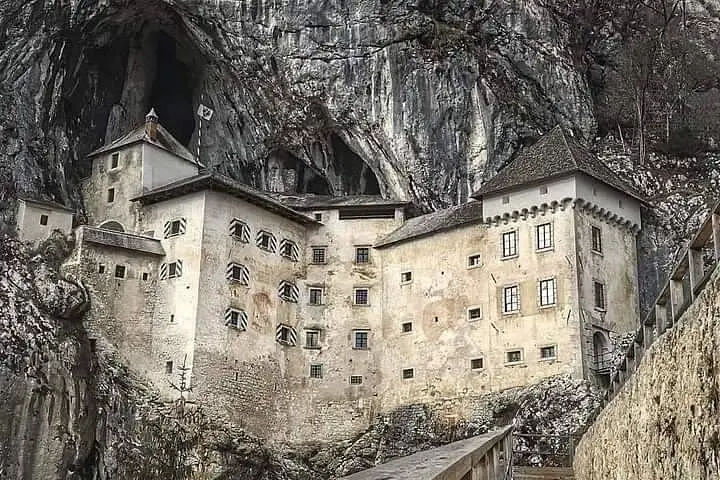
Postojna Cave formed where the Pivka river rerouted underground over two million years, carving galleries, halls, and delicate speleothems. The cave’s electric train — a practical relic of early tourism — gives access to vast chambers and the chance to see the proteus, the pale ‘human fish’ adapted to total dark. A short drive brings you to Predjama Castle, a 13th-century stronghold built into a cliff face where stone rooms open above a network of natural caves. The castle’s architecture and wartime legends speak to medieval strategies that used caves as supply and escape routes.
Culturally, this pair demonstrates how karst geology shaped settlement and defense in Inner Carniola; tourism here blends interpretive displays with easily walked routes rather than long hikes.
Practical guidance: book tickets in advance during summer, wear comfortable walking shoes with good grip, and bring a light jacket — cave temperatures sit around 8–10°C year-round. Expect about 5–6 hours for pickup, the cave visit, and the self-guided castle tour. Photography is allowed in most areas but avoid flash near delicate formations and follow signage; keep to paths to protect fragile formations and the cave’s microfauna.
The full experience, including pickup, transfers, the cave visit and the castle audio tour, runs about 5–6 hours (roughly 330 minutes).
This tour provides transport and guiding services; entrance fees are typically paid on-site — check your booking confirmation for discounts included by the operator.
Postojna Cave has paved sections and a train, but some areas include stairs and uneven surfaces; contact the operator ahead to discuss specific accessibility needs.
Photography is generally allowed, but avoid using flash near delicate formations; follow site signage and staff instructions.
Slovenian Wander operates guided outdoor trips and adventures with an emphasis on safety, stewardship, and memorable experiences.
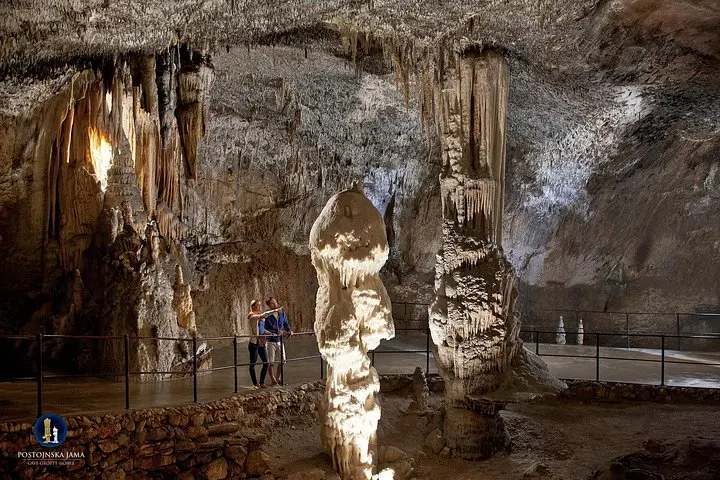
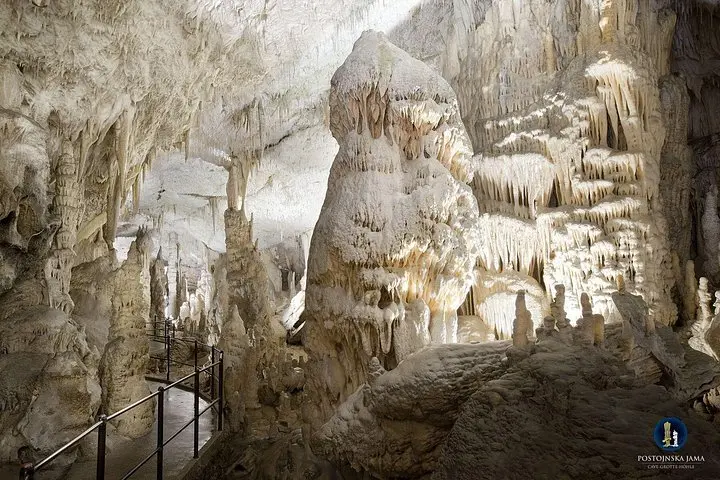
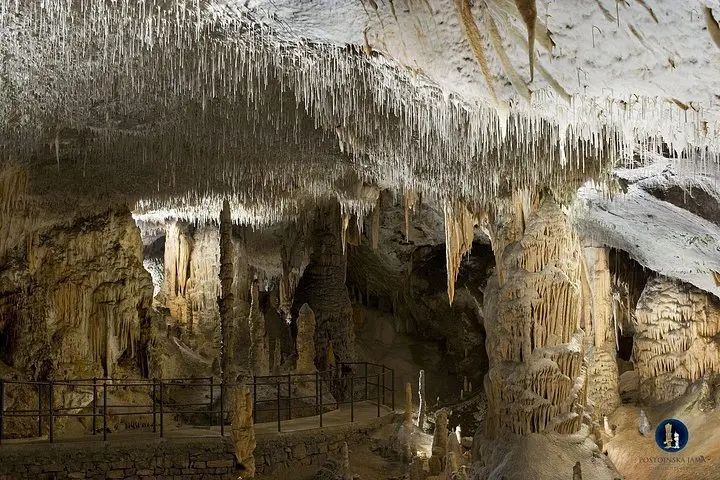
The van slips out of Ljubljana and the low karst hills push closer until the air smells faintly of limestone and pine. You step onto a platform and, within minutes, a small electric train eases you into the mouth of Postojna Cave — darkness softens, dripstone curtains grow like frozen falls, and the underground passages seem to breathe around you.
The van slips out of Ljubljana and the low karst hills push closer until the air smells faintly of limestone and pine. You step onto a platform and, within minutes, a small electric train eases you into the mouth of Postojna Cave — darkness softens, dripstone curtains grow like frozen falls, and the underground passages seem to breathe around you.
Postojna Cave formed where the Pivka river rerouted underground over two million years, carving galleries, halls, and delicate speleothems. The cave’s electric train — a practical relic of early tourism — gives access to vast chambers and the chance to see the proteus, the pale ‘human fish’ adapted to total dark. A short drive brings you to Predjama Castle, a 13th-century stronghold built into a cliff face where stone rooms open above a network of natural caves. The castle’s architecture and wartime legends speak to medieval strategies that used caves as supply and escape routes.
Culturally, this pair demonstrates how karst geology shaped settlement and defense in Inner Carniola; tourism here blends interpretive displays with easily walked routes rather than long hikes.
Practical guidance: book tickets in advance during summer, wear comfortable walking shoes with good grip, and bring a light jacket — cave temperatures sit around 8–10°C year-round. Expect about 5–6 hours for pickup, the cave visit, and the self-guided castle tour. Photography is allowed in most areas but avoid flash near delicate formations and follow signage; keep to paths to protect fragile formations and the cave’s microfauna.