THE ADVENTURE COLLECTIVE® · Independent discovery and booking for outdoor travel

Walk four hours through the institutions that made modern Britain—Roman walls, royal palaces, secretive clubs and the financial heart of the City. A private guide connects dates and documents to the streets you’ll tread.
Walk four hours through the institutions that made modern Britain—Roman walls, royal palaces, secretive clubs and the financial heart of the City. A private guide connects dates and documents to the streets you’ll tread.
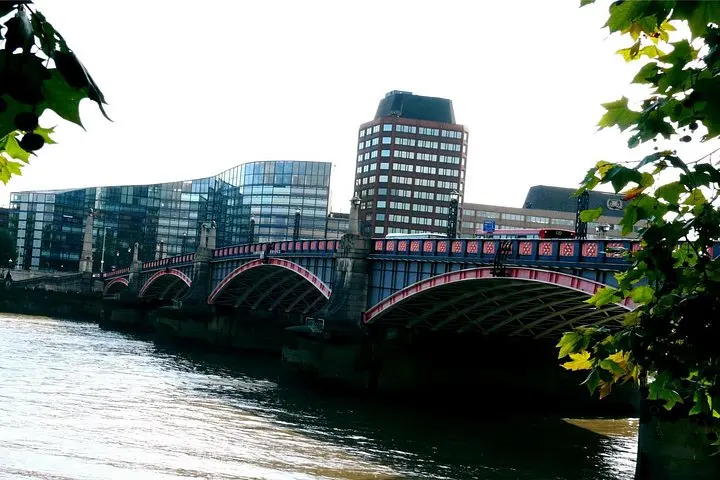
You step off the pavement and the Thames dares you to look back: a wide, grey ribbon that has watched emperors, merchants and ministers shape the city’s edge. For four hours you move through those decisions—across stone, through cloisters and down streets where law, money and religion still exert a palpable pressure.
Verified experiences and guided adventures in the surrounding area.
Operated by London 4U · London, England
You step off the pavement and the Thames dares you to look back: a wide, grey ribbon that has watched emperors, merchants and ministers shape the city’s edge. For four hours you move through those decisions—across stone, through cloisters and down streets where law, money and religion still exert a palpable pressure.
The walk traces two millennia of change. Roman Londinium first staked a claim on the riverbank; later, medieval priories and the Templars defined law and faith in the same breath. The City of London’s guild houses became merchant powerhouses, and the East India Company once ran trade networks that eclipsed royal reach. Buildings here are geological markers of influence—limestone facades, post-Great-Fire rebuilding, Victorian masonry—each layer a political footprint.
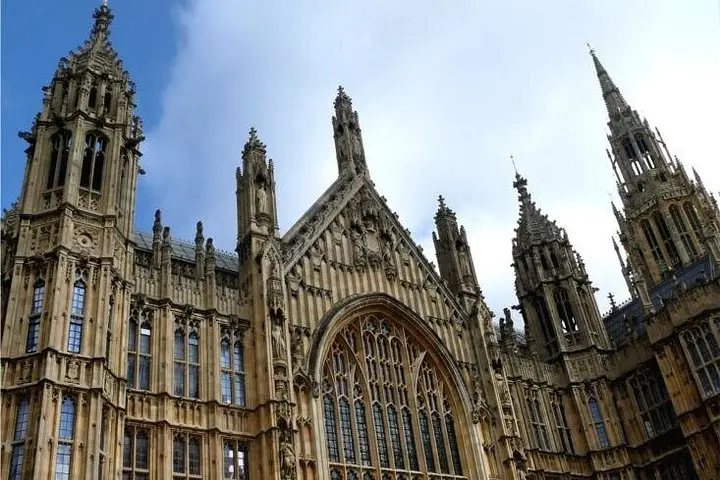
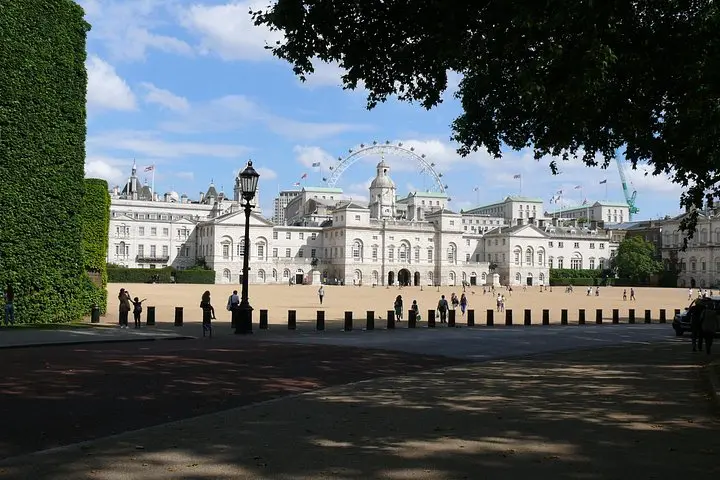
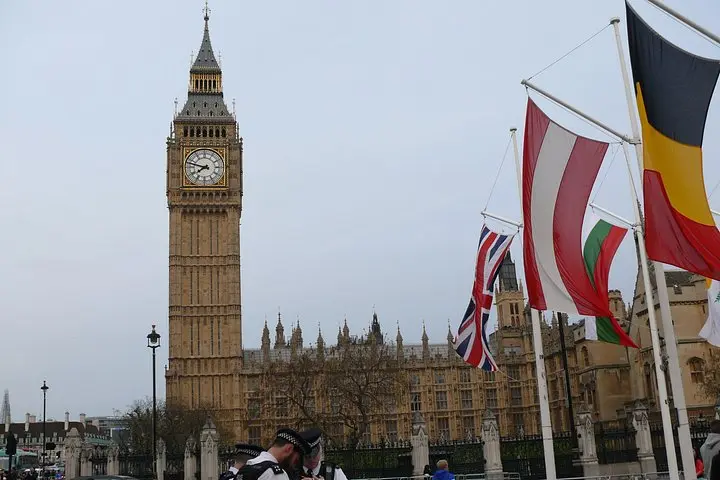
Culturally the route moves from state power to civil society: Parliament and Westminster Abbey; the quiet, ivy-skulled Temple; the clipped order of the Inns of Court; and the moneyed streets where newspapers and banks still pull levers. Your private guide frames anecdotes with dates and documents, turning plaques into lived stories rather than mere facts.
Practical edge: expect four hours of steady urban walking over uneven cobbles and paved plazas, frequent stops and photo pauses. Bring a contactless card for tube hops, a lightweight waterproof, and shoes that can handle slick stone. Start mid-morning to avoid commuter rushes and plan for public-transport access at both ends. The tour is best for adults comfortable with sustained walking and dense historical narrative—under-16s are not recommended.
This tour is not recommended for children under 16 due to mature historical content and the sustained walking duration.
Meeting and end points are typically central and close to public transport (Westminster/City locations); your confirmation will list the exact stops and nearest Tube stations.
Parts of the route include cobblestones, steps and narrow lanes; accessibility is limited—contact the operator to discuss alternate routes.
Full refund available if you cancel at least 24 hours before the scheduled departure time; no refund within 24 hours.
London 4U operates guided outdoor trips and adventures with an emphasis on safety, stewardship, and memorable experiences.
You step off the pavement and the Thames dares you to look back: a wide, grey ribbon that has watched emperors, merchants and ministers shape the city’s edge. For four hours you move through those decisions—across stone, through cloisters and down streets where law, money and religion still exert a palpable pressure.
You step off the pavement and the Thames dares you to look back: a wide, grey ribbon that has watched emperors, merchants and ministers shape the city’s edge. For four hours you move through those decisions—across stone, through cloisters and down streets where law, money and religion still exert a palpable pressure.
The walk traces two millennia of change. Roman Londinium first staked a claim on the riverbank; later, medieval priories and the Templars defined law and faith in the same breath. The City of London’s guild houses became merchant powerhouses, and the East India Company once ran trade networks that eclipsed royal reach. Buildings here are geological markers of influence—limestone facades, post-Great-Fire rebuilding, Victorian masonry—each layer a political footprint.
Culturally the route moves from state power to civil society: Parliament and Westminster Abbey; the quiet, ivy-skulled Temple; the clipped order of the Inns of Court; and the moneyed streets where newspapers and banks still pull levers. Your private guide frames anecdotes with dates and documents, turning plaques into lived stories rather than mere facts.
Practical edge: expect four hours of steady urban walking over uneven cobbles and paved plazas, frequent stops and photo pauses. Bring a contactless card for tube hops, a lightweight waterproof, and shoes that can handle slick stone. Start mid-morning to avoid commuter rushes and plan for public-transport access at both ends. The tour is best for adults comfortable with sustained walking and dense historical narrative—under-16s are not recommended.